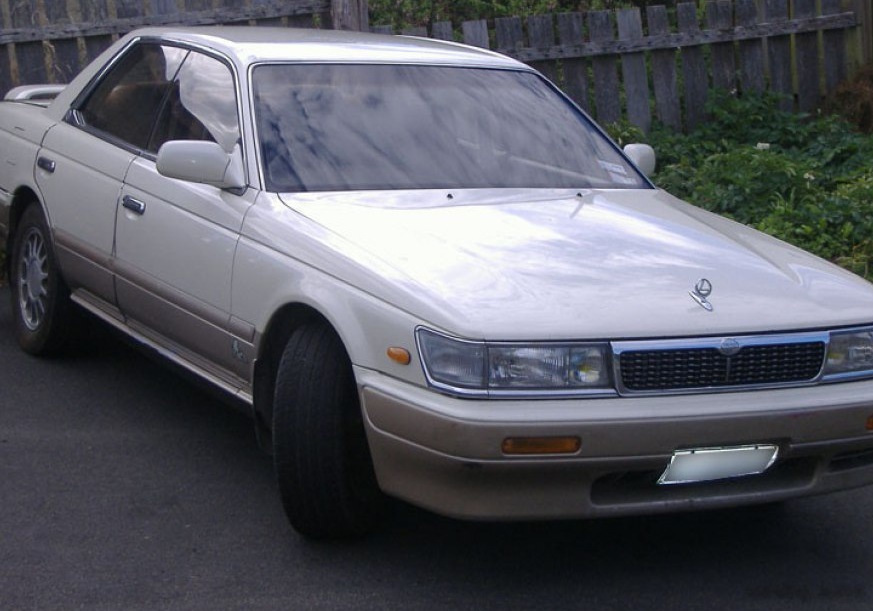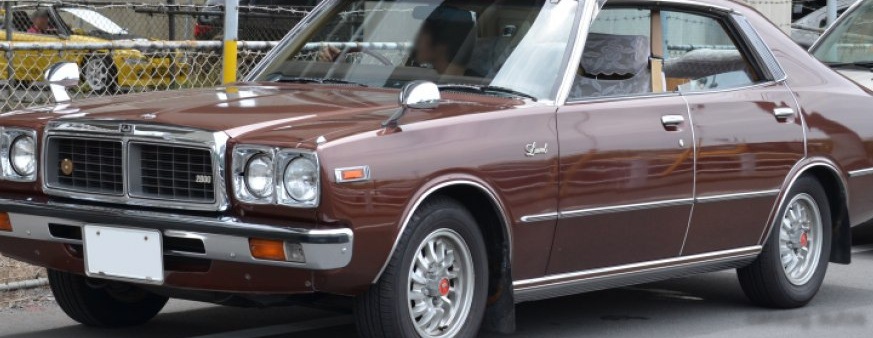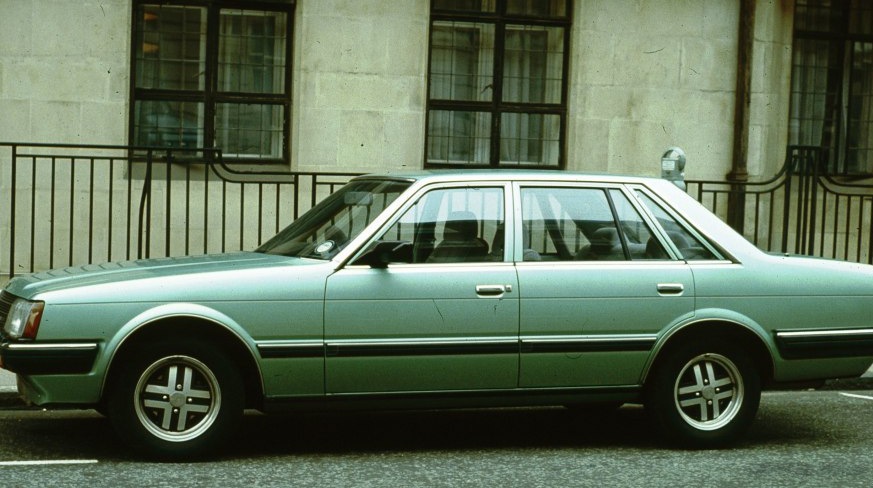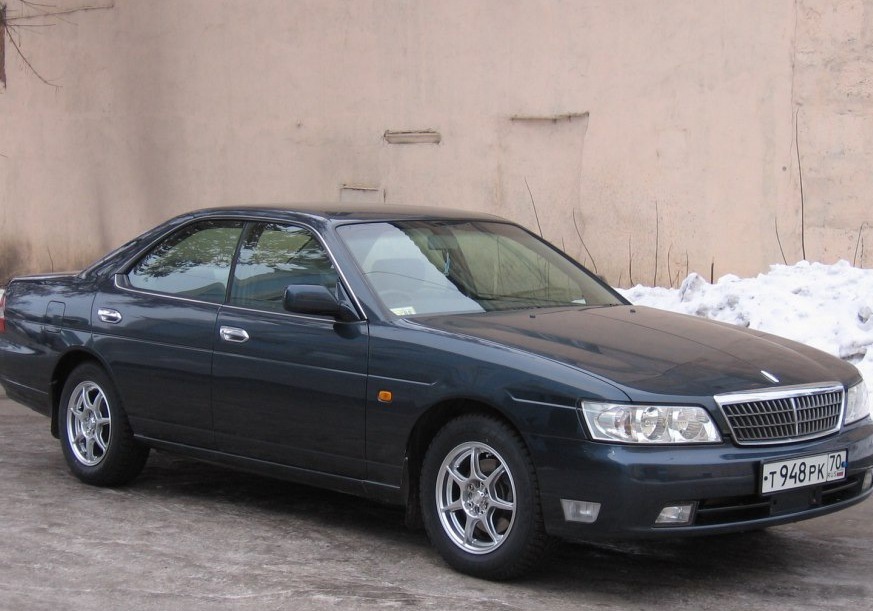
The Nissan Laurel E-HC35/E-GC35 2.8 D, produced between June 1997 and August 2002, represented a somewhat niche offering within the broader Laurel generation. Positioned as a diesel-powered variant, it catered to buyers prioritizing fuel economy and durability over outright performance. This model occupied a lower to mid-range position in the Laurel lineup, sitting below the more powerful gasoline-fueled options. The HC35/GC35 Laurel series itself was a significant model for Nissan, continuing the long-running Laurel tradition as a comfortable and relatively luxurious sedan primarily aimed at the Japanese domestic market (JDM). While not widely exported, the Laurel found its way to select international markets, often through grey import channels.
Technical Specifications
| Brand | Nissan |
| Model | Laurel |
| Generation | Laurel (E-HC35/E-GC35) |
| Type (Engine) | 2.8 D (101 Hp) |
| Start of production | June, 1997 |
| End of production | August, 2002 |
| Powertrain Architecture | Internal Combustion engine |
| Body type | Sedan |
| Seats | 5 |
| Doors | 4 |
| Fuel consumption (urban) | 11 l/100 km (21.4 US mpg, 25.7 UK mpg, 9.1 km/l) |
| Fuel consumption (extra urban) | 7 l/100 km (33.6 US mpg, 40.4 UK mpg, 14.3 km/l) |
| Fuel Type | Diesel |
| Maximum speed | 170 km/h (105.63 mph) |
| Weight-to-power ratio | 14.2 kg/Hp, 70.6 Hp/tonne |
| Weight-to-torque ratio | 8 kg/Nm, 125.2 Nm/tonne |
| Power | 101 Hp @ 4800 rpm |
| Power per litre | 35.7 Hp/l |
| Torque | 179 Nm @ 2400 rpm (132.02 lb.-ft. @ 2400 rpm) |
| Engine layout | Front, Longitudinal |
| Engine displacement | 2826 cm3 (172.45 cu. in.) |
| Number of cylinders | 6 |
| Engine configuration | Inline |
| Cylinder Bore | 85 mm (3.35 in.) |
| Piston Stroke | 83 mm (3.27 in.) |
| Compression ratio | 22.4:1 |
| Number of valves per cylinder | 2 |
| Fuel injection system | Precombustion chamber injection |
| Engine aspiration | Naturally aspirated engine |
| Valvetrain | OHC |
| Kerb Weight | 1430 kg (3152.61 lbs.) |
| Trunk (boot) space – minimum | 460 l (16.24 cu. ft.) |
| Fuel tank capacity | 65 l (17.17 US gal | 14.3 UK gal) |
| Length | 4765 mm (187.6 in.) |
| Width | 1730 mm (68.11 in.) |
| Height | 1400 mm (55.12 in.) |
| Wheelbase | 2720 mm (107.09 in.) |
| Front track | 1460 mm (57.48 in.) |
| Rear (Back) track | 1470 mm (57.87 in.) |
| Drivetrain Architecture | The Internal combustion engine (ICE) drives the rear wheels of the vehicle. |
| Drive wheel | Rear wheel drive |
| Number of gears and type of gearbox | 4 gears, automatic transmission |
| Front suspension | Spring Strut |
| Rear suspension | Coil spring |
| Front brakes | Ventilated discs |
| Rear brakes | Disc |
| Assisting systems | ABS (Anti-lock braking system) |
| Steering type | Steering rack and pinion |
| Power steering | Hydraulic Steering |
| Tires size | 195/65 R15 |
Powertrain & Engine Architecture
The heart of the Laurel 2.8 D was the RD28 diesel engine, a 2.8-liter inline-six cylinder unit. This engine utilized a precombustion chamber injection system, a common design for diesel engines of the era, which improved combustion efficiency and reduced noise compared to direct injection systems. The RD28 produced 101 horsepower at 4800 rpm and 179 Nm (132 lb-ft) of torque at 2400 rpm. The engine’s longitudinal mounting and rear-wheel-drive configuration were typical for larger Japanese sedans of the time. Paired with a 4-speed automatic transmission, the powertrain was designed for smooth, comfortable cruising rather than sporty acceleration. The automatic transmission, while providing convenience, did impact the overall performance and fuel efficiency compared to a manual transmission equipped model.
Driving Characteristics
The 2.8 D Laurel offered a distinctly different driving experience compared to its gasoline-powered siblings. Acceleration was modest, with the focus being on providing sufficient power for everyday driving and highway cruising. The automatic transmission, while smooth, had relatively widely spaced gear ratios, which meant the engine often operated at lower rpm, prioritizing fuel economy. Compared to the more powerful 2.0L or 2.5L gasoline engines available in the Laurel, the diesel variant felt considerably slower. However, the diesel’s higher torque output at lower engine speeds provided decent pulling power, making it suitable for carrying passengers and luggage. The rear-wheel-drive layout contributed to a balanced feel, but the relatively soft suspension tuning prioritized ride comfort over sharp handling.
Equipment & Trim Levels
The 2.8 D Laurel typically came with a reasonable level of standard equipment, reflecting its positioning as a comfortable family sedan. Standard features often included power windows, power steering, air conditioning, and a basic audio system. Interior upholstery was typically cloth, although leather options were sometimes available as upgrades. Trim levels varied depending on the specific market and optional packages selected. Common options included upgraded audio systems, alloy wheels, and a sunroof. The dashboard layout was functional and straightforward, with a focus on ease of use. The diesel variant didn’t typically receive the same level of luxury appointments as the higher-end gasoline models.
Chassis & Braking
The Laurel 2.8 D utilized a conventional chassis design with a spring strut front suspension and a coil spring rear suspension. The suspension was tuned for comfort, providing a smooth ride over various road surfaces. Braking duties were handled by ventilated discs at the front and solid discs at the rear. An Anti-lock Braking System (ABS) was typically included as standard equipment, enhancing safety. The steering system employed a rack and pinion setup with hydraulic power assistance, providing relatively light and precise steering feel. Tire size was typically 195/65 R15, offering a balance between ride comfort and handling.
Market Reception & Comparison
The Nissan Laurel 2.8 D received mixed reviews. Critics generally praised its fuel economy and durability, but noted its lack of performance compared to gasoline-powered rivals. The diesel engine was seen as a practical choice for drivers covering long distances or prioritizing low running costs. Compared to other trims in the Laurel lineup, the 2.8 D offered a more affordable entry point, but at the expense of performance and refinement. In the Japanese market, it competed with other diesel-powered sedans from Toyota and Mazda. Its fuel economy was competitive for the time, but its performance lagged behind many of its rivals.
Legacy
The Nissan Laurel 2.8 D, while not the most sought-after variant, has developed a following among enthusiasts who appreciate its simplicity, durability, and fuel efficiency. The RD28 diesel engine is known for its robustness and longevity, and well-maintained examples can still be found on the road today. In the used car market, the 2.8 D Laurel typically commands lower prices than its gasoline-powered counterparts. However, its relative rarity and unique character make it an appealing option for those seeking a classic Japanese sedan with a distinctive diesel powertrain. Parts availability can be a challenge, but the RD28 engine shares components with other Nissan diesel engines, making sourcing replacements somewhat easier.