Technical Specifications
| Brand | Nissan |
| Model | Laurel |
| Generation | Laurel (HLC230) |
| Type (Engine) | 2.0 (97 Hp) |
| Start of production | 1977 |
| End of production | 1983 |
| Powertrain Architecture | Internal Combustion Engine |
| Body type | Sedan |
| Fuel Type | Petrol (Gasoline) |
| Power | 97 Hp |
| Engine Aspiration | Naturally Aspirated |
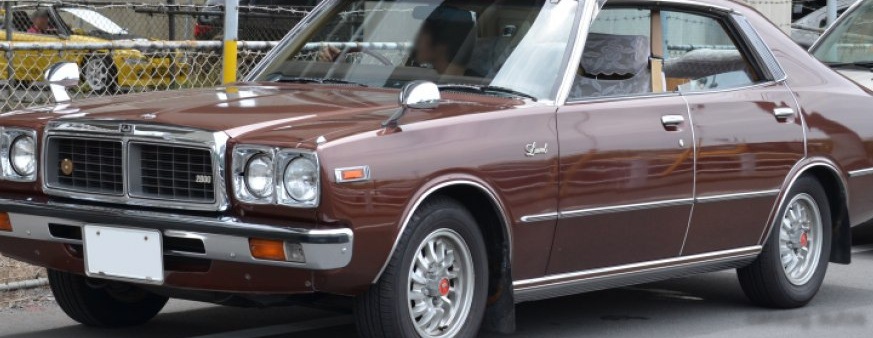
The Nissan Laurel HLC230, manufactured between 1977 and 1983, marked a notable step forward in Nissan’s mid-size sedan lineup. This generation Laurel aimed to strike a balance between comfort, practicality, and a touch of luxury, positioning itself as an upgrade from the more basic Bluebird while remaining below the more prestigious Cedric and Gloria models. The HLC230 series proved popular in the Japanese domestic market (JDM), appealing to families and professionals who desired a dependable and reasonably well-equipped vehicle. The 2.0-liter, 97 horsepower variant, while not the range-topping performance model, was a common sight, offering a blend of affordability and usability. It formed a core part of the HLC230 range, attracting buyers who prioritized fuel efficiency and ease of driving over outright speed.
Powertrain & Engine Architecture
The 2.0-liter engine found in the HLC230 Laurel, typically designated the L20B, was an inline four-cylinder configuration. It featured a cast iron engine block and an aluminum cylinder head – a common construction method for the period. The L20B employed a single overhead camshaft (SOHC) valvetrain, operating two valves per cylinder. Fuel delivery was handled by a Hitachi-supplied carburetor, a standard feature for Japanese automobiles of that era. While not as advanced as the fuel injection systems appearing on some contemporary vehicles, the carburetor provided adequate performance and reliability. The engine produced 97 horsepower at approximately 5,200 rpm and 128 lb-ft of torque at 3,200 rpm. This engine was known for its durability and relatively straightforward maintenance needs. The transmission typically paired with this engine was a three-speed automatic, designed for smooth and comfortable operation rather than sporty acceleration. This automatic transmission was a key selling point for buyers seeking a convenient driving experience, particularly in city traffic.
Driving Characteristics
The 2.0-liter Laurel equipped with the three-speed automatic transmission delivered a comfortable, though not particularly brisk, driving experience. Acceleration was sufficient for everyday driving, but it wasn’t suited for quick overtaking maneuvers. The automatic transmission’s gear ratios were optimized for fuel economy and relaxed cruising, rather than maximizing performance. The relatively modest horsepower and torque figures meant the engine needed to be revved to achieve reasonable acceleration. Compared to the higher-specification Laurel variants with larger engines (such as the 2.8-liter L28E), the 2.0-liter model felt noticeably less powerful. Manual transmission versions of the 2.0-liter offered a slightly more engaging driving experience, allowing the driver to better utilize the engine’s power band. However, the automatic version remained the more popular choice due to its convenience. The suspension, consisting of independent front suspension with MacPherson struts and a solid rear axle with leaf springs, provided a comfortable ride, effectively absorbing bumps and road imperfections.
Equipment & Trim Levels
The 2.0-liter Laurel HLC230 generally occupied a mid-range position within the model lineup. Standard equipment typically included cloth upholstery, a basic AM/FM radio, and manual windows. Power steering was often offered as an optional extra, as was air conditioning. Higher trim levels, such as the Super Deluxe, added features like upgraded upholstery (often vinyl or a combination of cloth and vinyl), a more comprehensive instrument cluster, and additional chrome trim. The interior design was functional and relatively spacious, reflecting the car’s intended role as a family sedan. The dashboard layout was straightforward, with clearly labeled controls. Optional extras could include a sunroof, an upgraded sound system, and even power windows, depending on the specific trim level and market.
Chassis & Braking
The HLC230 Laurel utilized body-on-frame construction, a common practice for sedans of that era. This construction method contributed to the car’s durability and relatively simple repair procedures. The front suspension employed MacPherson struts, providing a comfortable ride and decent handling. The rear suspension used a solid axle with leaf springs, which was less sophisticated but offered good load-carrying capacity. Braking was typically accomplished with disc brakes on the front wheels and drum brakes on the rear wheels. Power-assisted brakes were often included as standard equipment, providing adequate stopping power for the car’s weight and performance. Steering was typically a recirculating ball system, offering a relatively indirect feel but requiring minimal maintenance.
Market Reception & Comparison
The Nissan Laurel HLC230 2.0-liter automatic was generally well-received in the Japanese market as a practical and reliable family sedan. Critics praised its comfortable ride, spacious interior, and relatively fuel-efficient engine. However, it wasn’t celebrated for its performance, with reviewers noting that the 97 horsepower engine felt underpowered, especially when coupled with the automatic transmission. Compared to other sedans in its class, such as the Toyota Corona and Mazda Luce, the Laurel offered a similar level of comfort and practicality. The Corona was often considered slightly more fuel-efficient, while the Luce offered a more sporty driving experience. The Laurel’s strength lay in its balanced approach, providing a good compromise between comfort, reliability, and affordability. Fuel economy was a key selling point, averaging around 25-30 mpg in real-world driving conditions.
Legacy
The Nissan Laurel HLC230 2.0-liter automatic has gained popularity as a classic car in recent years, particularly among enthusiasts of JDM vehicles. The L20B engine is known for its durability and relatively simple maintenance requirements, making it a reliable choice for restoration projects. Parts availability is generally good, although some specific components may be challenging to locate. The car’s classic styling and comfortable ride continue to appeal to collectors and enthusiasts. While not a high-performance vehicle, the HLC230 2.0-liter automatic represents a significant piece of Nissan’s history and a testament to the engineering principles of the late 1970s and early 1980s. Today, well-maintained examples command a reasonable price in the used car market, reflecting their growing popularity and enduring appeal.