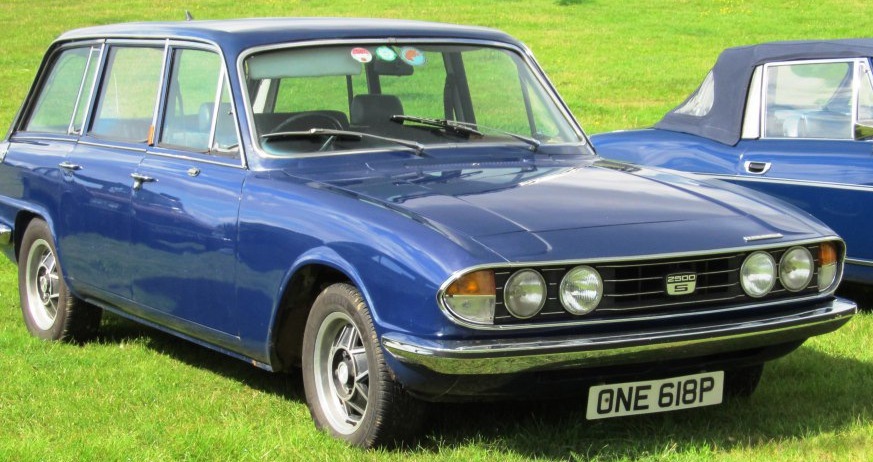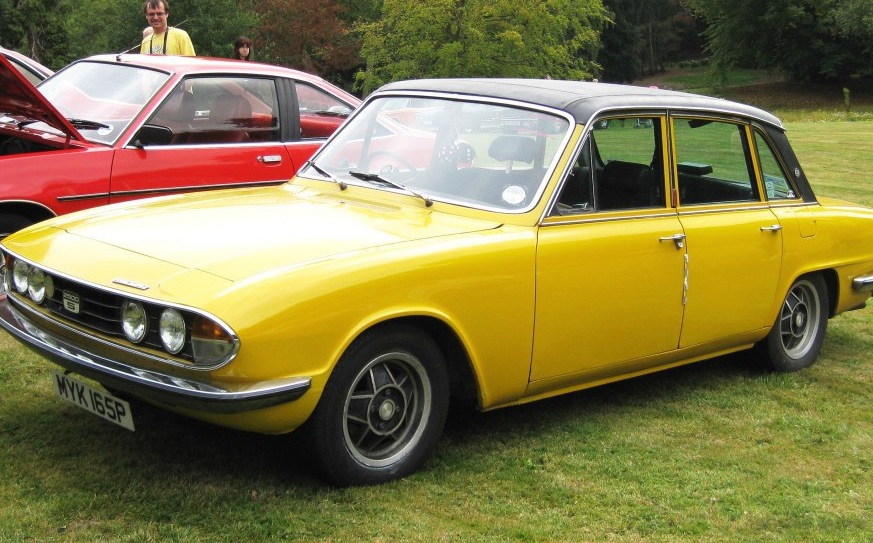
The Triumph 2500 TC, produced between 1974 and 1975, represents a refined iteration of Triumph’s flagship saloon. Positioned as the top-of-the-line model within the 2500 range, the ‘TC’ (Touring Carburettor) variant offered a blend of luxury, performance, and British motoring tradition. It was the final evolution of the 2500 platform, addressing some of the criticisms leveled at earlier models while retaining the core characteristics that defined the car. The 2500 TC aimed to provide a comfortable and capable grand tourer, appealing to buyers seeking a sophisticated alternative to German and Scandinavian competitors.
Technical Specifications
| Brand | Triumph |
| Model | 2500 |
| Generation | 2500 |
| Type (Engine) | TC (100 Hp) |
| Start of Production | 1974 |
| End of Production | 1975 |
| Powertrain Architecture | Internal Combustion Engine |
| Body Type | Sedan |
| Fuel Type | Petrol (Gasoline) |
| Power | 100 Hp |
| Engine Aspiration | Naturally Aspirated |
Powertrain & Engine Architecture
The heart of the Triumph 2500 TC is its 2.5-liter inline six-cylinder engine. This engine, designated as the ‘TC’ variant, utilized twin Zenith-Stromberg carburetors, a key differentiator from the earlier PI (Fuel Injection) models. The engine code is generally identified as the ‘CP’ engine, a development of the earlier Triumph sixes. It features a single overhead camshaft operating through pushrods and rockers, a design choice that contributed to its relatively compact size and ease of maintenance. The cylinder head is aluminum alloy, helping to reduce weight. The engine produces 100 horsepower at 5000 rpm and 148 lb-ft of torque at 3000 rpm. The TC engine was designed to offer improved reliability and driveability compared to the earlier fuel-injected versions, which had sometimes suffered from cold-starting issues and inconsistent performance. The engine is mated to a Borg-Warner three-speed automatic transmission, a common choice for the American market and those prioritizing comfort over outright performance. This transmission was known for its smooth operation but wasn’t particularly fuel-efficient by modern standards.
Driving Characteristics
The 2500 TC with the automatic transmission delivers a relaxed and refined driving experience. The automatic gearbox, while not offering the engagement of a manual, provides smooth and effortless gear changes. Acceleration is adequate for comfortable cruising, with a 0-60 mph time of around 12-13 seconds. The engine’s torque characteristics mean that it feels reasonably responsive in everyday driving situations, although it lacks the outright punch of some contemporary sports saloons. The automatic transmission’s gear ratios are geared towards comfortable highway cruising, with a focus on minimizing engine revs at higher speeds. Compared to the manual transmission versions of the 2500, the automatic TC sacrifices some performance but gains significantly in ease of use. The manual versions, particularly those with the overdrive option, offered quicker acceleration and better fuel economy. However, the automatic was favored by buyers who prioritized comfort and convenience.
Equipment & Trim Levels
The Triumph 2500 TC was well-equipped for its time, reflecting its position as the premium model in the 2500 range. Standard features included reclining front seats, a wood-trimmed dashboard, and a comprehensive instrument panel. The interior was typically upholstered in Ambla vinyl, a durable and easy-to-clean material, although leather upholstery was available as an optional extra. Power steering and a four-speed automatic transmission were standard. Other available options included a sunroof, a radio with a stereo amplifier, and air conditioning (though this was relatively rare, particularly in the UK market). The TC trim level also featured additional chrome trim around the exterior, enhancing its luxurious appearance. The dashboard layout was typically a wood veneer finish with Jaeger instrumentation, providing a classic British aesthetic.
Chassis & Braking
The Triumph 2500 TC utilizes a traditional body-on-frame construction, providing a comfortable ride but also contributing to its relatively heavy weight. The front suspension is independent, utilizing double wishbones and torsion bars, while the rear suspension is a live axle with trailing arms and leaf springs. The steering is rack and pinion, providing precise and responsive handling. Braking is provided by Dunlop disc brakes on all four wheels, offering good stopping power for the era. However, the braking system lacks the sophistication of modern anti-lock braking systems. The rear drums were sometimes criticized for lacking the stopping power of the front discs, especially under heavy braking. Stabilizer bars were fitted to both the front and rear axles, helping to reduce body roll during cornering.
Market Reception & Comparison
The Triumph 2500 TC received generally positive reviews from contemporary motoring journalists. It was praised for its comfortable ride, refined engine, and well-appointed interior. However, some critics noted its relatively high price compared to competitors such as the Rover SD1 and the Volvo 164. Fuel economy was also a concern, particularly given the rising cost of gasoline in the mid-1970s. Compared to the 2500 PI, the TC was seen as a more reliable and user-friendly option, although it sacrificed some performance. The automatic transmission was a popular choice, particularly in the US market, where buyers prioritized convenience over sporty handling. The 2500 TC offered a compelling alternative to German saloons, providing a distinctive British character and a comfortable driving experience.
Legacy
The Triumph 2500 TC represents the culmination of Triumph’s saloon car development. While production was relatively short-lived, due to the financial difficulties that ultimately led to the demise of the Triumph marque, the 2500 TC remains a popular classic car today. The engine, while not particularly powerful by modern standards, is known for its durability and relatively simple maintenance requirements. The automatic transmission, while not the most fuel-efficient, is generally reliable. Finding parts can sometimes be a challenge, but a dedicated network of Triumph enthusiasts and specialist suppliers ensures that these cars can be kept on the road. The 2500 TC is valued for its classic British styling, comfortable ride, and distinctive character. Well-maintained examples command respectable prices in the used car market, appealing to collectors and enthusiasts who appreciate a piece of British motoring history. The car’s relative simplicity makes it a rewarding project for amateur mechanics, and its comfortable cruising ability makes it a pleasant companion for classic car rallies and tours.