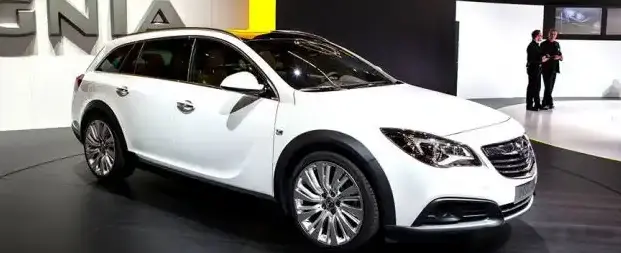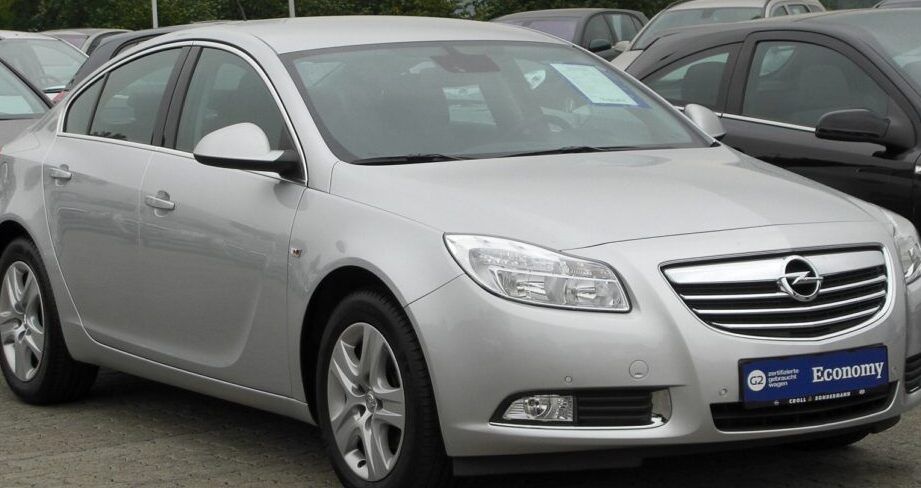
The Opel Insignia Sedan (A) 2.0 Turbo 4×4, produced from July 2011 to June 2013, represented a flagship offering within the first generation (A) of the Insignia lineup. Positioned as a premium trim, it aimed to deliver a blend of performance, all-weather capability, and sophisticated styling. The Insignia, launched as a replacement for the Vectra, was Opel’s attempt to move upmarket and compete with established players like the Ford Mondeo and Volkswagen Passat, particularly in the European market. This 250 horsepower, all-wheel-drive variant was intended to appeal to drivers seeking a more engaging and capable sedan experience.
Technical Specifications
| Brand | Opel |
| Model | Insignia |
| Generation | Insignia Sedan (A) |
| Type (Engine) | 2.0 Turbo (250 Hp) 4×4 |
| Start of production | July, 2011 |
| End of production | June, 2013 |
| Powertrain Architecture | Internal Combustion engine |
| Body type | Sedan |
| Seats | 5 |
| Doors | 4 |
| Fuel consumption (urban) | 12.1 l/100 km (19.4 US mpg, 23.3 UK mpg, 8.3 km/l) |
| Fuel consumption (extra urban) | 6.4 l/100 km (36.8 US mpg, 44.1 UK mpg, 15.6 km/l) |
| Fuel consumption (combined) | 8.5 l/100 km (27.7 US mpg, 33.2 UK mpg, 11.8 km/l) |
| CO2 emissions | 197 g/km |
| Fuel Type | Petrol (Gasoline) |
| Acceleration 0 – 100 km/h | 7.5 sec |
| Acceleration 0 – 62 mph | 7.5 sec |
| Acceleration 0 – 60 mph | 7.1 sec |
| Maximum speed | 250 km/h (155.34 mph) |
| Emission standard | Euro 5 |
| Weight-to-power ratio | 6.6 kg/Hp, 151.1 Hp/tonne |
| Weight-to-torque ratio | 4.1 kg/Nm, 241.7 Nm/tonne |
| Power | 250 Hp @ 5300 rpm |
| Power per litre | 125.1 Hp/l |
| Torque | 400 Nm @ 2400-3600 rpm (295.02 lb.-ft. @ 2400-3600 rpm) |
| Engine layout | Front, Transverse |
| Engine Model/Code | A20NFT |
| Engine displacement | 1998 cm3 (121.93 cu. in.) |
| Number of cylinders | 4 |
| Engine configuration | Inline |
| Cylinder Bore | 86 mm (3.39 in.) |
| Piston Stroke | 86 mm (3.39 in.) |
| Compression ratio | 9.3:1 |
| Number of valves per cylinder | 4 |
| Fuel injection system | Direct injection |
| Engine aspiration | Twin-scroll turbo, Intercooler |
| Engine oil capacity | 5.7 l (6.02 US qt | 5.02 UK qt) |
| Coolant | 7.8 l (8.24 US qt | 6.86 UK qt) |
| Kerb Weight | 1655 kg (3648.65 lbs.) |
| Max. weight | 2155 kg (4750.96 lbs.) |
| Max load | 500 kg (1102.31 lbs.) |
| Trunk (boot) space – minimum | 500 l (17.66 cu. ft.) |
| Trunk (boot) space – maximum | 1010 l (35.67 cu. ft.) |
| Fuel tank capacity | 70 l (18.49 US gal | 15.4 UK gal) |
| Length | 4830 mm (190.16 in.) |
| Width | 1858 mm (73.15 in.) |
| Height | 1498 mm (58.98 in.) |
| Wheelbase | 2737 mm (107.76 in.) |
| Front track | 1585 mm (62.4 in.) |
| Rear (Back) track | 1587 mm (62.48 in.) |
| Ride height (ground clearance) | 160 mm (6.3 in.) |
| Minimum turning circle | 10.8 m (35.43 ft.) |
| Drive wheel | All wheel drive (4×4) |
| Number of gears | 6 |
| Type of gearbox | Manual transmission |
| Front brakes | Ventilated discs |
| Rear brakes | Disc |
| Assisting systems | ABS (Anti-lock braking system) |
| Tires size | 225/55 R17 |
| Wheel rims size | 17 |
Powertrain & Engine Architecture
At the heart of the Insignia 2.0 Turbo 4×4 lies the A20NFT engine, a 1.998-liter inline-four cylinder gasoline engine. This engine utilizes direct fuel injection, a technology that improves fuel efficiency and power output by injecting fuel directly into the combustion chamber. The A20NFT is equipped with a twin-scroll turbocharger and an intercooler, which further enhance performance by increasing air density and reducing turbo lag. The engine produces 250 horsepower at 5300 rpm and 400 Nm (295 lb-ft) of torque between 2400 and 3600 rpm. The engine’s relatively high specific output (125.1 hp per liter) reflects the advancements in forced induction and fuel injection technology at the time. The engine is paired with a six-speed manual transmission, delivering power to all four wheels via Opel’s all-wheel-drive system.
Driving Characteristics
The 2.0 Turbo 4×4 Insignia offered a noticeably more spirited driving experience compared to lower-powered variants. The 250 hp output and readily available torque provided brisk acceleration, with a 0-60 mph time of around 7.1 seconds. The all-wheel-drive system enhanced traction, particularly in adverse weather conditions, providing a surefooted feel. While not a dedicated sports sedan, the Insignia 2.0 Turbo 4×4 offered a good balance between comfort and performance. The six-speed manual transmission allowed for precise control, although the gear ratios were tuned more for fuel efficiency than outright performance. Compared to the base 1.6L models, the 2.0 Turbo offered a significant power upgrade, while remaining more accessible and affordable than the range-topping V6 versions.
Equipment & Trim Levels
The 2.0 Turbo 4×4 trim typically included a generous level of standard equipment. This often included features such as automatic climate control, a touchscreen infotainment system, alloy wheels, and a comprehensive suite of safety features including ABS, traction control, and multiple airbags. Interior upholstery was typically cloth or leatherette, with higher-spec versions offering full leather seats. Optional extras could include a sunroof, navigation system, premium audio system, and parking sensors. The Insignia aimed to provide a premium feel, with a well-designed dashboard and comfortable seating.
Chassis & Braking
The Insignia Sedan (A) featured a MacPherson strut front suspension and a multi-link rear suspension, providing a comfortable ride and good handling characteristics. The 2.0 Turbo 4×4 models often benefited from slightly stiffer suspension components to manage the increased power and weight. Braking duties were handled by ventilated discs at the front and solid discs at the rear, providing adequate stopping power. The all-wheel-drive system distributed power between the front and rear axles as needed, enhancing stability and traction.
Market Reception & Comparison
The Opel Insignia 2.0 Turbo 4×4 was generally well-received by automotive critics. It was praised for its stylish design, spacious interior, and strong performance. However, some reviewers noted that the ride could be a bit firm, and the steering lacked some feel. Compared to rivals like the Ford Mondeo and Volkswagen Passat, the Insignia offered a compelling package with a focus on design and technology. Fuel economy was respectable for a vehicle of its size and performance, but not class-leading. Reliability reports were generally positive, although some owners reported minor issues with the infotainment system.
Legacy
The Opel Insignia 2.0 Turbo 4×4 remains a popular choice in the used car market. The A20NFT engine is generally considered to be reliable, provided it has been properly maintained. Regular oil changes and adherence to the manufacturer’s service schedule are crucial for long-term durability. The all-wheel-drive system adds to the vehicle’s appeal, particularly in regions with harsh winters. While newer models have since been introduced, the first-generation Insignia 2.0 Turbo 4×4 continues to offer a good balance of performance, practicality, and value.