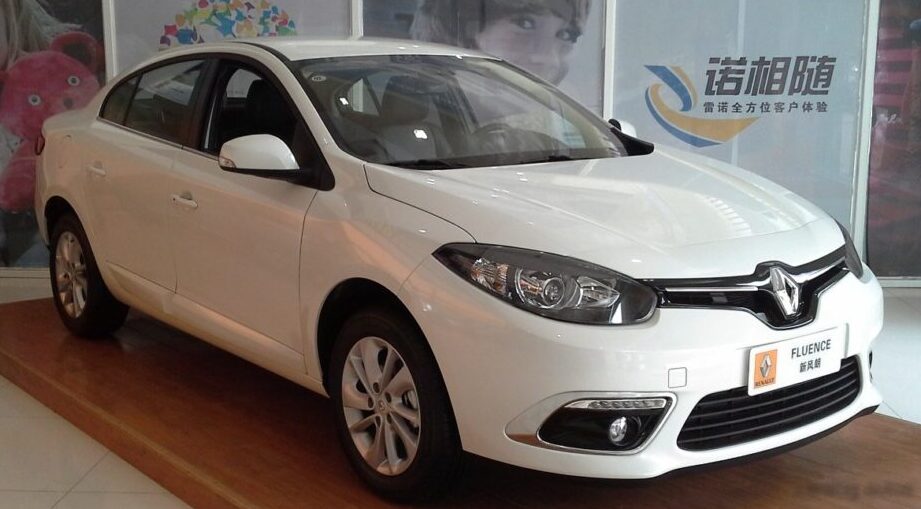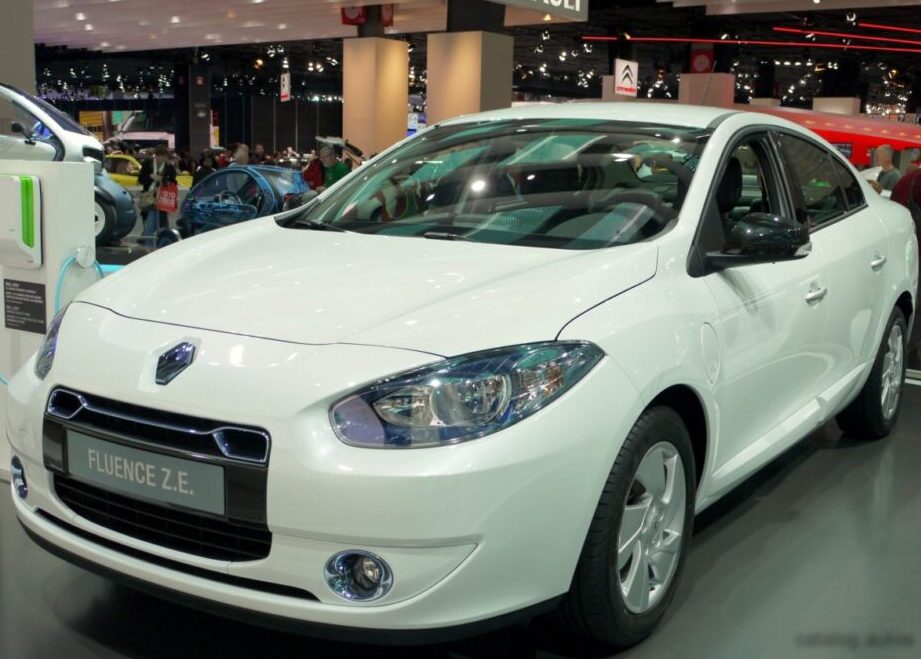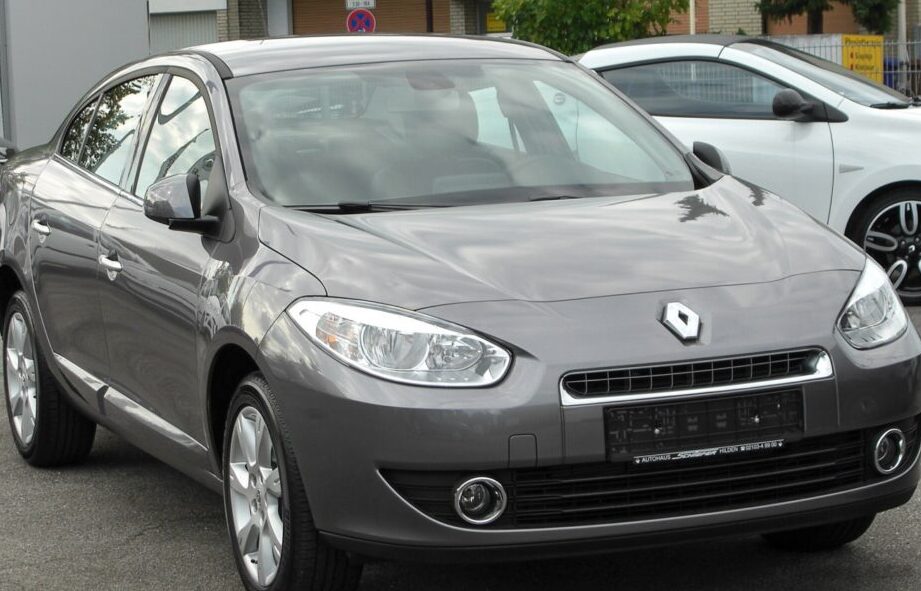
The Renault Fluence 1.5 dCi (110 hp) FAP BVM6 was a diesel-powered variant of the Fluence compact sedan, produced between November 2009 and October 2012. Positioned as a fuel-efficient and practical option within the Fluence range, it catered to buyers seeking lower running costs and reasonable performance. This model was primarily aimed at the European market, where diesel engines held a significant share of the automotive landscape, and also saw some sales in other regions where diesel fuel was readily available. The “BVM6” designation indicates a six-speed manual transmission, while “FAP” denotes the presence of a Diesel Particulate Filter, a key component in meeting increasingly stringent European emission standards.
Technical Specifications
| Brand | Renault |
| Model | Fluence |
| Type (Engine) | 1.5 dCi (110 Hp) FAP BVM6 |
| Start of production | November, 2009 |
| End of production | October, 2012 |
| Powertrain Architecture | Internal Combustion engine |
| Body type | Sedan |
| Seats | 5 |
| Doors | 4 |
| Fuel consumption (urban) | 5.6 l/100 km (42 US mpg, 50.4 UK mpg, 17.9 km/l) |
| Fuel consumption (extra urban) | 4 l/100 km (58.8 US mpg, 70.6 UK mpg, 25 km/l) |
| Fuel consumption (combined) | 4.6 l/100 km (51.1 US mpg, 61.4 UK mpg, 21.7 km/l) |
| Fuel Type | Diesel |
| Acceleration 0 – 100 km/h | 11 sec |
| Acceleration 0 – 62 mph | 11 sec |
| Acceleration 0 – 60 mph | 10.5 sec |
| Maximum speed | 185 km/h (114.95 mph) |
| Emission standard | Euro 5 |
| Weight-to-power ratio | 11.7 kg/Hp, 85.6 Hp/tonne |
| Weight-to-torque ratio | 5.4 kg/Nm, 186.8 Nm/tonne |
| Power | 110 Hp @ 4000 rpm |
| Power per litre | 75.3 Hp/l |
| Torque | 240 Nm @ 1750 rpm (177.01 lb.-ft. @ 1750 rpm) |
| Engine layout | Front, Transverse |
| Engine Model/Code | K9K |
| Engine displacement | 1461 cm3 (89.16 cu. in.) |
| Number of cylinders | 4 |
| Engine configuration | Inline |
| Number of valves per cylinder | 2 |
| Fuel injection system | Diesel Commonrail |
| Engine aspiration | Turbocharger, Intercooler |
| Engine oil capacity | 4.5 l (4.76 US qt | 3.96 UK qt) |
| Coolant capacity | 6.5 l (6.87 US qt | 5.72 UK qt) |
| Kerb Weight | 1285 kg (2832.94 lbs.) |
| Max. weight | 1785 kg (3935.25 lbs.) |
| Max load | 500 kg (1102.31 lbs.) |
| Fuel tank capacity | 60 l (15.85 US gal | 13.2 UK gal) |
| Drivetrain Architecture | The Internal combustion engine (ICE) drives the front wheels of the vehicle. |
| Drive wheel | Front wheel drive |
| Number of gears and type of gearbox | 6 gears, manual transmission |
| Front suspension | Independent type McPherson |
| Rear suspension | Elastic beam |
| Front brakes | Ventilated discs |
| Rear brakes | Disc |
| Assisting systems | ABS (Anti-lock braking system) |
| Steering type | Steering rack and pinion |
| Power steering | Electric Steering |
| Tires size | 205/65 R15; 205/60 R16; 205/55 R17 |
| Wheel rims size | 15; 16; 17 |
Powertrain & Engine Architecture
The heart of the Fluence 1.5 dCi was the K9K engine, a member of Renault’s widely used family of small-displacement diesel engines. This 1461cc inline-four cylinder engine featured a single overhead camshaft operating two valves per cylinder. The engine employed a turbocharger with an intercooler to boost power and efficiency. Crucially, it utilized a common rail direct fuel injection system, allowing for precise fuel delivery and contributing to both performance and reduced emissions. The K9K engine was known for its relatively robust construction and ability to deliver good fuel economy. The six-speed manual transmission (BVM6) was chosen to complement the engine’s torque characteristics, providing a good balance between fuel efficiency and drivability. The transmission’s gear ratios were tuned to maximize the engine’s efficiency at highway speeds while still providing adequate acceleration in urban environments.
Driving Characteristics
The 110 hp output and 240 Nm (177 lb-ft) of torque provided adequate, though not exhilarating, performance. Acceleration from 0-60 mph took around 10.5 seconds, making it competitive with other diesel-powered compact sedans of the time. The engine’s peak torque was available from a low 1750 rpm, which meant that the Fluence felt responsive in everyday driving situations, such as overtaking or merging onto highways. Compared to higher-output versions of the Fluence, or those equipped with automatic transmissions, this variant offered a more engaging driving experience due to the precise control of the manual gearbox. However, it lacked the effortless cruising ability of more powerful engines. The six-speed transmission helped to keep engine speeds relatively low at highway speeds, contributing to reduced noise and improved fuel economy.
Equipment & Trim Levels
The Fluence 1.5 dCi (110 hp) FAP BVM6 typically came with a reasonable level of standard equipment. This generally included air conditioning, power windows, central locking, and an audio system with MP3 compatibility. Safety features such as ABS, front airbags, and seatbelt pretensioners were also standard. Higher trim levels offered additional features like alloy wheels, rear parking sensors, automatic headlights and rain-sensing wipers, and upgraded interior trim materials. Interior upholstery was typically cloth, with options for more premium materials on higher-spec models. The dashboard layout was functional and straightforward, prioritizing ease of use over stylistic flair.
Chassis & Braking
The Fluence utilized a McPherson strut front suspension and an elastic beam rear suspension. This setup provided a comfortable ride quality, suitable for everyday driving. The front brakes were ventilated discs, offering good stopping power, while the rear brakes were solid discs. The steering was electrically assisted, providing light and precise control. The suspension was tuned to prioritize comfort over sporty handling, resulting in a predictable and stable driving experience. The weight distribution was reasonably balanced, contributing to the car’s overall stability.
Market Reception & Comparison
The Renault Fluence 1.5 dCi (110 hp) FAP BVM6 was generally well-received by automotive critics as a practical and fuel-efficient option. It was praised for its comfortable ride, spacious interior, and low running costs. However, some critics noted that the engine lacked outright power and that the interior materials were not as refined as those found in some of its competitors. Compared to the petrol-powered Fluence variants, the 1.5 dCi offered significantly better fuel economy, making it a popular choice for drivers who covered long distances. Compared to other diesel options in the segment, such as the Volkswagen Golf or Ford Focus, the Fluence offered a competitive price point and a generous level of standard equipment.
Legacy
The K9K engine, in its various iterations, proved to be a reliable and durable powerplant. The 1.5 dCi Fluence, while not a performance icon, established a reputation for dependability and fuel efficiency. On the used car market, these models continue to be sought after by buyers looking for an affordable and economical sedan. Maintenance costs are generally reasonable, and parts availability is good. However, as with any diesel vehicle, it’s important to ensure that the Diesel Particulate Filter (DPF) has been properly maintained and that the engine has received regular oil changes. The Fluence 1.5 dCi represents a solid, if unspectacular, entry in the compact sedan segment, offering a practical and economical transportation solution.