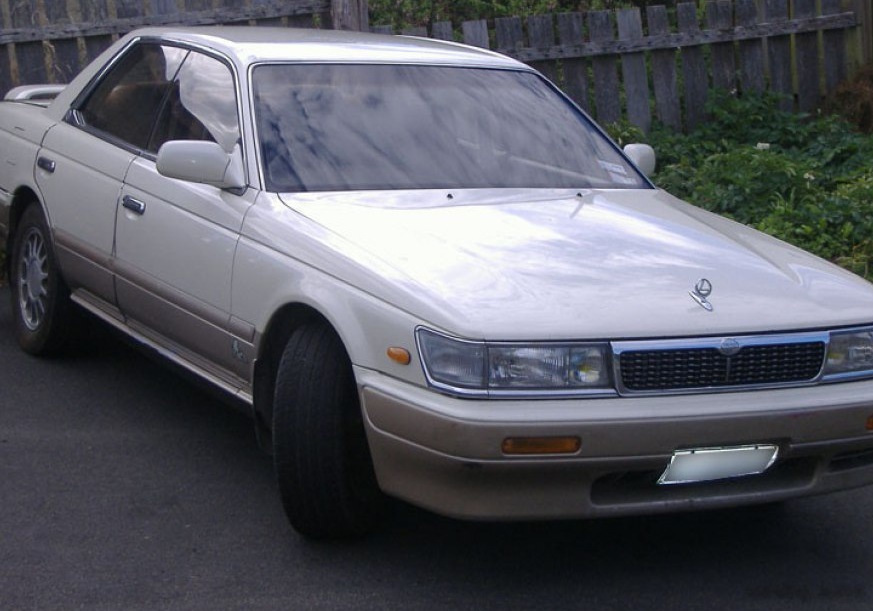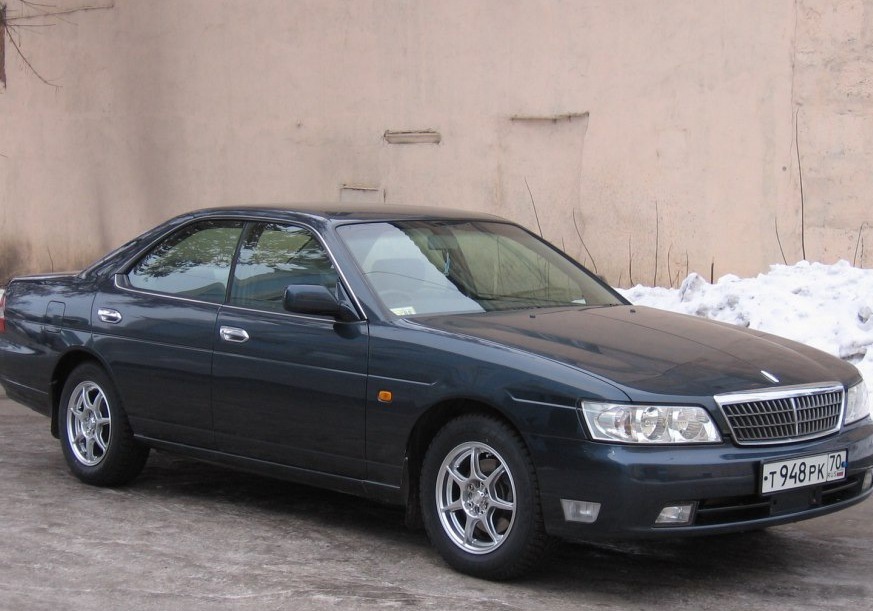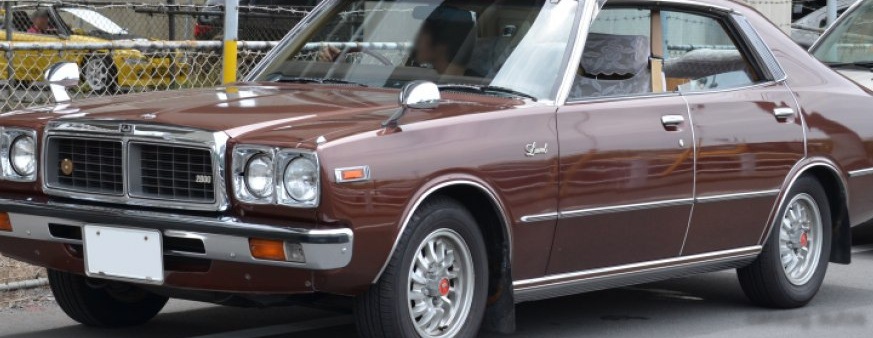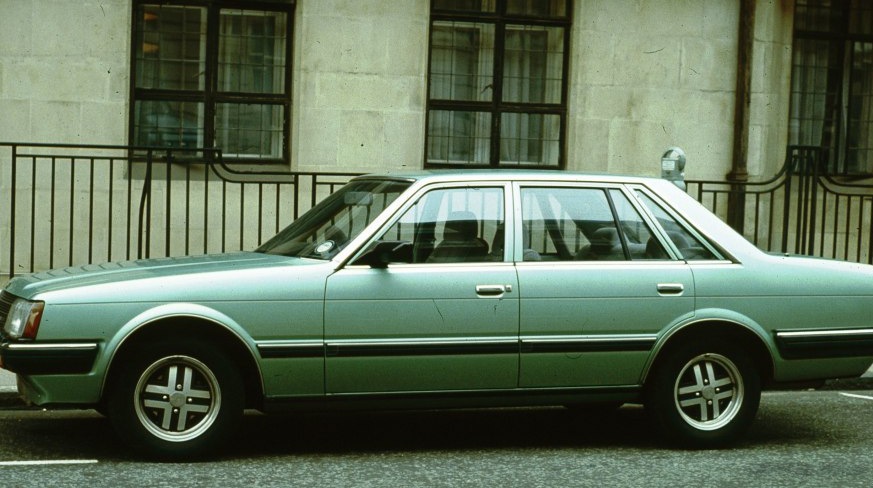
The Nissan Laurel JC31, produced between 1981 and 1984, represented a significant evolution in Nissan’s mid-size sedan offerings. Positioned as a more upscale and comfortable alternative to the Datsun Bluebird (sold as the Nissan Bluebird in some markets), the JC31 Laurel aimed to capture a segment of the Japanese domestic market (JDM) seeking a blend of practicality, refinement, and a touch of luxury. The 2.4-liter (113 hp) variant, while not the most powerful in the JC31 lineup, served as a popular choice for buyers prioritizing fuel efficiency and a smooth driving experience over outright performance. It occupied a middle ground in the range, offering more power than the base 2.0-liter engines but remaining more accessible than the turbocharged or higher-displacement options.
Technical Specifications
| Brand | Nissan |
| Model | Laurel |
| Generation | Laurel (JC31) |
| Type (Engine) | 2.4 (113 Hp) |
| Start of Production | 1981 |
| End of Production | 1984 |
| Powertrain Architecture | Internal Combustion Engine |
| Body Type | Sedan |
| Fuel Type | Petrol (Gasoline) |
| Engine Power | 113 Hp |
| Engine Aspiration | Naturally Aspirated |
Powertrain & Engine Architecture
The 2.4-liter engine in the JC31 Laurel, typically designated as the L24E, was a naturally aspirated, inline-six cylinder engine. This engine was a mainstay of Nissan’s lineup during the early 1980s, known for its relative durability and smooth operation. The L24E featured a single overhead camshaft (SOHC) valvetrain, operating two valves per cylinder. Fuel delivery was managed by a Nissan Electronic Fuel Injection (EFI) system, contributing to improved fuel economy and reduced emissions compared to carbureted engines of the era. The engine produced 113 horsepower at approximately 5200 rpm and 138 lb-ft of torque at 3200 rpm. The transmission paired with this engine was typically a three-speed automatic, designed to provide comfortable and effortless cruising. While a five-speed manual transmission was available on other JC31 variants, it was rarely, if ever, offered with the 2.4-liter engine, reflecting the target audience’s preference for convenience over sporty driving dynamics.
Driving Characteristics
The 2.4-liter automatic Laurel offered a comfortable and relaxed driving experience. Acceleration was adequate for everyday driving, but it wasn’t particularly brisk. The three-speed automatic transmission, while smooth, lacked the responsiveness of more modern gearboxes. Gear ratios were optimized for fuel efficiency and cruising comfort, rather than spirited acceleration. Compared to the turbocharged variants or the 2.8-liter engine options, the 2.4-liter felt noticeably less powerful, especially when fully loaded or climbing hills. However, the L24E engine delivered its power in a linear and predictable manner, making it easy to modulate and control. The suspension, tuned for comfort, absorbed bumps and imperfections in the road well, providing a smooth ride. Steering was light and easy, further contributing to the car’s relaxed character.
Equipment & Trim Levels
The 2.4-liter Laurel typically came equipped with a reasonable level of standard features, positioning it as a step up from the more basic Bluebird models. Standard equipment often included power steering, cloth upholstery, an AM/FM radio, and basic instrumentation. Higher trim levels, such as the Super Deluxe or Grand Deluxe, added features like air conditioning, upgraded interior trim, power windows, and a more sophisticated sound system. Optional extras included a sunroof, upgraded wheels, and a premium audio system. Interior appointments were generally conservative and functional, reflecting the Japanese aesthetic of the time. The dashboard layout was straightforward and easy to use, with clearly labeled controls. The overall interior ambiance was one of understated elegance and practicality.
Chassis & Braking
The JC31 Laurel utilized a traditional body-on-frame construction, providing a robust and durable chassis. The suspension consisted of independent front suspension with MacPherson struts and a live rear axle with leaf springs. This setup prioritized ride comfort over handling precision. Braking was typically accomplished with disc brakes on the front wheels and drum brakes on the rear. Power-assisted steering was standard, making maneuvering the car in tight spaces relatively easy. The chassis was designed to provide a stable and predictable driving experience, even under varying load conditions. Stabilizer bars were often included, particularly on higher trim levels, to reduce body roll during cornering.
Market Reception & Comparison
The Nissan Laurel JC31 2.4-liter was generally well-received in the Japanese market. Critics praised its comfortable ride, spacious interior, and reliable engine. However, some reviewers noted that its performance was somewhat underwhelming compared to its competitors, particularly the turbocharged models offered by Toyota and Mazda. Fuel economy was considered to be good for a car of its size and class. Compared to the other engines in the Laurel lineup, the 2.4-liter offered a good balance of affordability and practicality. The 2.0-liter models were even more fuel-efficient but lacked sufficient power for some drivers, while the turbocharged and 2.8-liter engines were more expensive and consumed more fuel. The Laurel competed primarily with the Toyota Crown, Mazda Luce, and Honda Accord, all of which offered similar levels of comfort and refinement.
Legacy
The Nissan Laurel JC31, particularly the 2.4-liter variant, has developed a modest following among classic car enthusiasts. The L24E engine is known for its durability and relative simplicity, making it a relatively easy engine to maintain and repair. Parts availability, while not as plentiful as for more common models, is still reasonable. The JC31 Laurel represents a significant example of 1980s Japanese automotive design and engineering. While not a high-performance machine, it offered a comfortable, reliable, and well-equipped package that appealed to a broad range of buyers. Today, well-maintained examples of the JC31 Laurel are increasingly sought after by collectors and enthusiasts who appreciate its classic styling and understated elegance. The automatic transmission, while not a performance enhancer, has proven to be reasonably reliable over the long term, contributing to the car’s overall longevity.