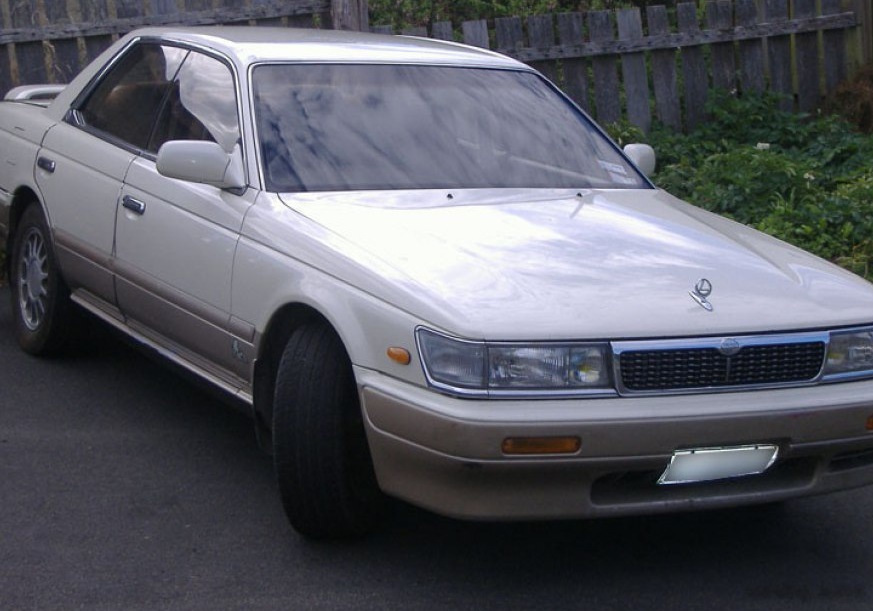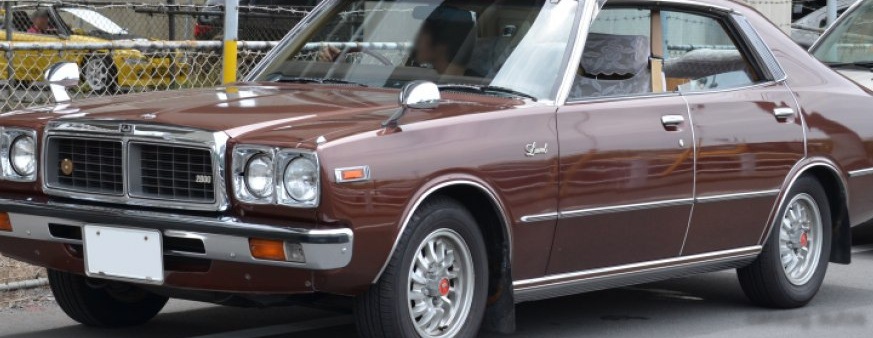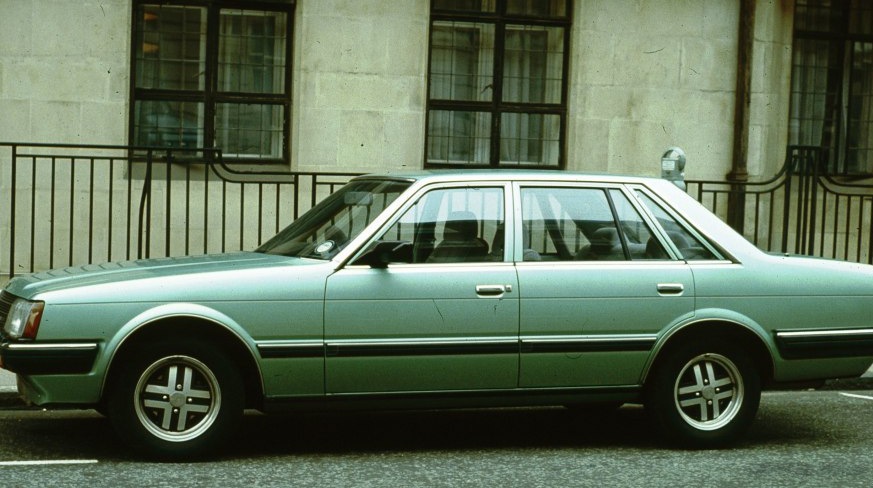
The Nissan Laurel JC31, produced between 1983 and 1985, represented a significant evolution in Nissan’s mid-size sedan offerings. Positioned as a more upscale and comfortable alternative to the Datsun/Nissan Bluebird, the JC31 Laurel aimed to capture a segment of the Japanese domestic market (JDM) seeking a blend of practicality, refinement, and a touch of luxury. This generation Laurel, built on the S10 platform, was available with a range of engines, with the 2.4-liter (L24) variant producing 120 horsepower being a popular choice, offering a balance between performance and fuel economy. The JC31 Laurel was primarily a Japan-market vehicle, with limited exports, making it a relatively uncommon sight outside of its home country.
Technical Specifications
| Brand | Nissan |
| Model | Laurel |
| Generation | Laurel (JC31) |
| Type (Engine) | 2.4 (120 Hp) |
| Start of production | 1983 |
| End of production | 1985 |
| Powertrain Architecture | Internal Combustion engine |
| Body type | Sedan |
| Seats | 5 |
| Doors | 4 |
| Fuel consumption (urban) | 12.5 l/100 km (18.8 US mpg) |
| Fuel consumption (extra urban) | 6.9 l/100 km (34.1 US mpg) |
| Fuel Type | Petrol (Gasoline) |
| Maximum speed | 180 km/h (111.85 mph) |
| Weight-to-power ratio | 10 kg/Hp, 100 Hp/tonne |
| Weight-to-torque ratio | 6.7 kg/Nm, 150 Nm/tonne |
| Power | 120 Hp @ 5200 rpm |
| Power per litre | 50.1 Hp/l |
| Torque | 180 Nm @ 3600 rpm (132.76 lb.-ft. @ 3600 rpm) |
| Engine layout | Front, Longitudinal |
| Engine Model/Code | L24 |
| Engine displacement | 2393 cm3 (146.03 cu. in.) |
| Number of cylinders | 6 |
| Engine configuration | Inline |
| Cylinder Bore | 83 mm (3.27 in.) |
| Piston Stroke | 73.7 mm (2.9 in.) |
| Compression ratio | 9.4:1 |
| Number of valves per cylinder | 2 |
| Fuel injection system | Carburettor |
| Engine aspiration | Naturally aspirated engine |
| Valvetrain | SOHC |
| Engine oil capacity | 5 l (5.28 US qt | 4.4 UK qt) |
| Coolant capacity | 10 l (10.57 US qt | 8.8 UK qt) |
| Kerb Weight | 1200 kg (2645.55 lbs.) |
| Max. weight | 1260 kg (2777.82 lbs.) |
| Max load | 60 kg (132.28 lbs.) |
| Fuel tank capacity | 65 l (17.17 US gal | 14.3 UK gal) |
| Max. roof load | 80 kg (176.37 lbs.) |
| Permitted trailer load (braked) | 1400 kg (3086.47 lbs.) |
| Permitted trailer load (unbraked) | 600 kg (1322.77 lbs.) |
| Length | 4635 mm (182.48 in.) |
| Width | 1690 mm (66.54 in.) |
| Height | 1400 mm (55.12 in.) |
| Wheelbase | 2670 mm (105.12 in.) |
| Front track | 1410 mm (55.51 in.) |
| Rear track | 1390 mm (54.72 in.) |
| Turning circle | 11.4 m (37.4 ft.) |
| Drivetrain | Rear wheel drive |
| Number of gears | 5 gears, manual transmission |
| Front suspension | Independent, McPherson with coil spring and anti-roll bar |
| Rear suspension | Rigid axle, Trailing arm |
| Front brakes | Ventilated discs |
| Rear brakes | Drum |
| Steering | Cone worm with recirculation balls |
| Power steering | Hydraulic |
| Tire size | 185/70 R14 |
| Wheel rim size | 5.5J x 14 |
Powertrain & Engine Architecture
The heart of the JC31 Laurel 2.4 was the L24 inline-six cylinder engine. This engine, a staple of Nissan’s lineup for many years, was known for its durability and smooth operation. The L24 featured a single overhead camshaft (SOHC) valvetrain, operating two valves per cylinder. Fuel delivery was handled by a carburetor, a common setup for the time, though less efficient than fuel injection. The engine produced 120 horsepower at 5200 rpm and 180 Nm (132.76 lb-ft) of torque at 3600 rpm. The engine was mounted longitudinally in the engine bay, driving the rear wheels. The standard transmission for this variant was a 5-speed manual, providing drivers with good control over the engine’s power band. While an automatic transmission was available, it was often paired with lower-spec engines.
Driving Characteristics
The 2.4-liter Laurel with the 5-speed manual transmission offered a reasonably engaging driving experience. While not a sports car, the engine provided adequate power for comfortable highway cruising and overtaking. The rear-wheel-drive layout contributed to balanced handling, although the suspension setup – McPherson struts at the front and a rigid axle with trailing arms at the rear – was more focused on comfort than outright performance. The 5-speed manual allowed drivers to keep the engine in its optimal power range, making the most of the available 120 horsepower. Compared to the more powerful, but also more expensive, six-cylinder variants, the 2.4 offered a more economical and accessible entry point into the Laurel range.
Equipment & Trim Levels
The JC31 Laurel 2.4 typically came equipped with a respectable level of standard features for its time. These included cloth upholstery, a basic AM/FM radio, and manual windows and locks. Higher trim levels offered upgrades such as power windows, central locking, and a more sophisticated audio system. The interior design was functional and relatively spacious, prioritizing comfort and practicality. Optional extras included air conditioning, a sunroof, and upgraded wheel covers. The overall aesthetic was conservative and understated, reflecting the Laurel’s positioning as a mature and refined sedan.
Chassis & Braking
The JC31 Laurel featured a conventional chassis design with a body-on-frame construction. The front suspension utilized independent McPherson struts with coil springs and an anti-roll bar, providing a comfortable ride and reasonable handling. The rear suspension employed a rigid axle with trailing arms, which was less sophisticated but cost-effective. Braking duties were handled by ventilated discs at the front and drum brakes at the rear. The steering system was a cone worm type with hydraulic power assistance, offering a reasonable level of steering feel and ease of use.
Market Reception & Comparison
The Nissan Laurel JC31 2.4 was well-received in the Japanese market as a comfortable, reliable, and reasonably priced sedan. Critics praised its smooth engine, spacious interior, and overall build quality. Compared to other models in the lineup, such as the higher-powered 2.8-liter variants, the 2.4 offered a more affordable option without sacrificing too much in terms of comfort or refinement. Fuel economy was also a strong point for the 2.4, making it an attractive choice for drivers seeking a balance between performance and efficiency.
Legacy
The Nissan Laurel JC31, particularly the 2.4-liter variant, has developed a cult following among JDM enthusiasts. The L24 engine is known for its robustness and relative simplicity, making it a popular choice for restoration projects and engine swaps. While not as highly sought after as some of the more iconic JDM cars, the JC31 Laurel offers a unique blend of classic styling, comfortable driving characteristics, and reliable mechanicals. Today, well-maintained examples are becoming increasingly rare and are appreciated by collectors and enthusiasts alike. The 2.4 variant, with its manual transmission, is often considered the most desirable configuration for those seeking a genuine and engaging driving experience.