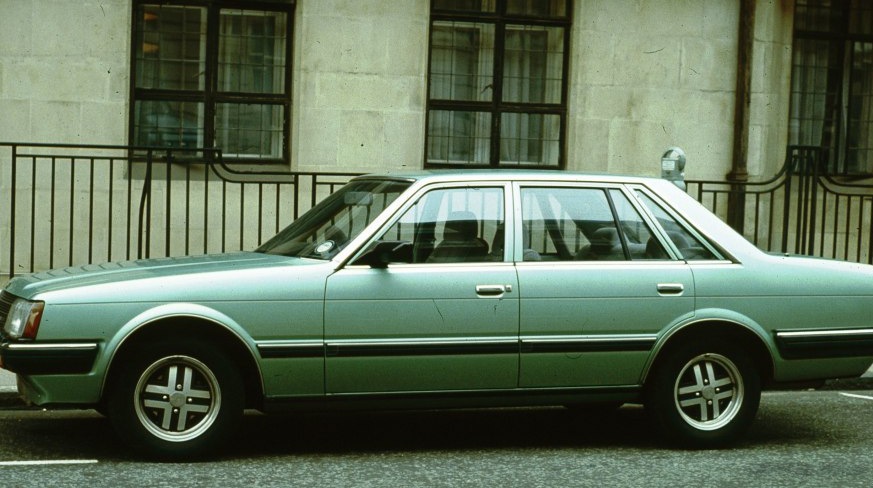
The Nissan Laurel JC31 2.8 D, produced between 1981 and 1985, represents a unique offering within the third generation (JC31) Laurel lineup. Positioned as a more economical and torque-focused alternative to the gasoline-powered variants, the 2.8 D catered to buyers prioritizing fuel efficiency and durability, particularly in a market increasingly sensitive to rising fuel costs. While the Laurel was a popular and respected vehicle in Japan, the diesel variant saw limited export outside of select markets. The JC31 generation itself was a significant step forward for the Laurel, offering increased refinement and a more modern design compared to its predecessors, building upon the success of the Laurel as a comfortable and reliable mid-size sedan.
Technical Specifications
| Brand | Nissan |
| Model | Laurel |
| Generation | Laurel (JC31) |
| Type (Engine) | 2.8 D (81 Hp) |
| Start of production | 1981 |
| End of production | 1985 |
| Powertrain Architecture | Internal Combustion engine |
| Body type | Sedan |
| Seats | 5 |
| Doors | 4 |
| Fuel consumption (urban) | 9.1 l/100 km (25.8 US mpg, 31 UK mpg, 11 km/l) |
| Fuel consumption (extra urban) | 6.1 l/100 km (38.6 US mpg, 46.3 UK mpg, 16.4 km/l) |
| Fuel Type | Diesel |
| Maximum speed | 155 km/h (96.31 mph) |
| Weight-to-power ratio | 15.7 kg/Hp, 63.8 Hp/tonne |
| Weight-to-torque ratio | 8 kg/Nm, 125.2 Nm/tonne |
| Power | 81 Hp @ 4600 rpm |
| Power per litre | 29 Hp/l |
| Torque | 159 Nm @ 2400 rpm (117.27 lb.-ft. @ 2400 rpm) |
| Engine layout | Front, Longitudinal |
| Engine Model/Code | LD28 |
| Engine displacement | 2793 cm3 (170.44 cu. in.) |
| Number of cylinders | 6 |
| Engine configuration | Inline |
| Cylinder Bore | 84.5 mm (3.33 in.) |
| Piston Stroke | 83 mm (3.27 in.) |
| Compression ratio | 22:1 |
| Number of valves per cylinder | 2 |
| Fuel injection system | Precombustion chamber injection |
| Engine aspiration | Naturally aspirated engine |
| Valvetrain | SOHC |
| Engine oil capacity | 5.7 l (6.02 US qt | 5.02 UK qt) |
| Coolant capacity | 11 l (11.62 US qt | 9.68 UK qt) |
| Kerb Weight | 1270 kg (2799.87 lbs.) |
| Max. weight | 1730 kg (3814 lbs.) |
| Max load | 460 kg (1014.13 lbs.) |
| Fuel tank capacity | 65 l (17.17 US gal | 14.3 UK gal) |
| Max. roof load | 80 kg (176.37 lbs.) |
| Permitted trailer load (braked) | 1200 kg (2645.55 lbs.) |
| Permitted trailer load (unbraked) | 600 kg (1322.77 lbs.) |
| Length | 4635 mm (182.48 in.) |
| Width | 1690 mm (66.54 in.) |
| Height | 1400 mm (55.12 in.) |
| Wheelbase | 2670 mm (105.12 in.) |
| Front track | 1410 mm (55.51 in.) |
| Rear track | 1390 mm (54.72 in.) |
| Turning circle | 11.4 m (37.4 ft.) |
| Drivetrain | Rear wheel drive |
| Number of gears | 5 gears, manual transmission |
| Front suspension | Independent, McPherson with coil spring and anti-roll bar |
| Rear suspension | Rigid axle, Trailing arm |
| Front brakes | Ventilated discs |
| Rear brakes | Disc |
| Steering | Cone worm with recirculation balls |
| Power steering | Hydraulic |
| Tire size | 185/70 R14 |
| Wheel rim size | 5.5J x 14 |
Powertrain & Engine Architecture
The heart of the JC31 2.8 D is the Nissan LD28 inline-six cylinder diesel engine. This engine, a robust and relatively simple design, was known for its durability and low-end torque. The LD28 utilizes a precombustion chamber injection system, a common diesel technology of the era. This system involves injecting fuel into a small precombustion chamber connected to the main cylinder, where it ignites and then ignites the main fuel charge. This design aids in cold starting and reduces engine noise compared to direct injection systems. The engine features a single overhead camshaft (SOHC) valvetrain, operating two valves per cylinder. The 5-speed manual transmission was the only transmission option offered with this engine, providing a direct connection to the rear wheels. The LD28’s longitudinal engine layout was typical for rear-wheel-drive vehicles of the time, contributing to a balanced weight distribution.
Driving Characteristics
The 2.8 D Laurel offered a distinctly different driving experience compared to its gasoline-powered siblings. While lacking the outright acceleration of the 2.0L or 2.8L gasoline engines, the diesel provided a substantial amount of low-end torque. This made it well-suited for relaxed cruising and hauling loads. The 5-speed manual transmission allowed drivers to keep the engine in its optimal power band, but the relatively narrow power band meant frequent shifting was necessary for spirited driving. The gear ratios were geared towards fuel economy and usability rather than performance. Compared to the more responsive gasoline models, the 2.8 D felt heavier and less eager to rev, but its fuel efficiency and durability were significant advantages.
Equipment & Trim Levels
The 2.8 D Laurel typically occupied a mid-range position in the JC31 lineup. Standard equipment included cloth upholstery, a basic instrument cluster, and manual windows and locks. Air conditioning was often an optional extra, as were power windows and upgraded audio systems. The interior design was functional and straightforward, prioritizing practicality over luxury. Trim levels varied depending on the market, but generally, the 2.8 D offered a comfortable and well-equipped interior for its price point. Exterior features typically included steel wheels with hubcaps, and relatively simple exterior trim.
Chassis & Braking
The JC31 Laurel utilized a traditional body-on-frame construction, providing a robust and durable chassis. The front suspension featured an independent McPherson strut setup with coil springs and an anti-roll bar, offering a comfortable ride and decent handling. The rear suspension employed a rigid axle with trailing arms, a cost-effective and durable design. Braking duties were handled by ventilated discs at the front and discs at the rear, providing adequate stopping power for the vehicle’s weight. Power-assisted steering was standard, making maneuvering easier, especially at low speeds.
Market Reception & Comparison
The Nissan Laurel 2.8 D was generally well-received in its target market, particularly by those seeking a reliable and fuel-efficient sedan. Critics praised its durability and low running costs, but noted its lack of performance compared to the gasoline models. Compared to the 2.0L and 2.8L gasoline variants, the 2.8 D offered significantly better fuel economy, but at the expense of acceleration and refinement. The diesel’s torque advantage made it a popular choice for drivers who frequently towed trailers or carried heavy loads. Reliability was a strong point, with the LD28 engine proving to be exceptionally durable when properly maintained.
Legacy
The Nissan Laurel JC31 2.8 D has developed a cult following among enthusiasts, particularly those interested in classic Japanese cars. The LD28 engine is known for its longevity and relative simplicity, making it a popular choice for restoration projects and engine swaps. While not as sought-after as some of the higher-performance Laurel variants, the 2.8 D remains a viable and affordable option for those seeking a classic Japanese sedan with a durable and fuel-efficient diesel engine. Today, well-maintained examples are becoming increasingly rare, and their value is steadily appreciating.