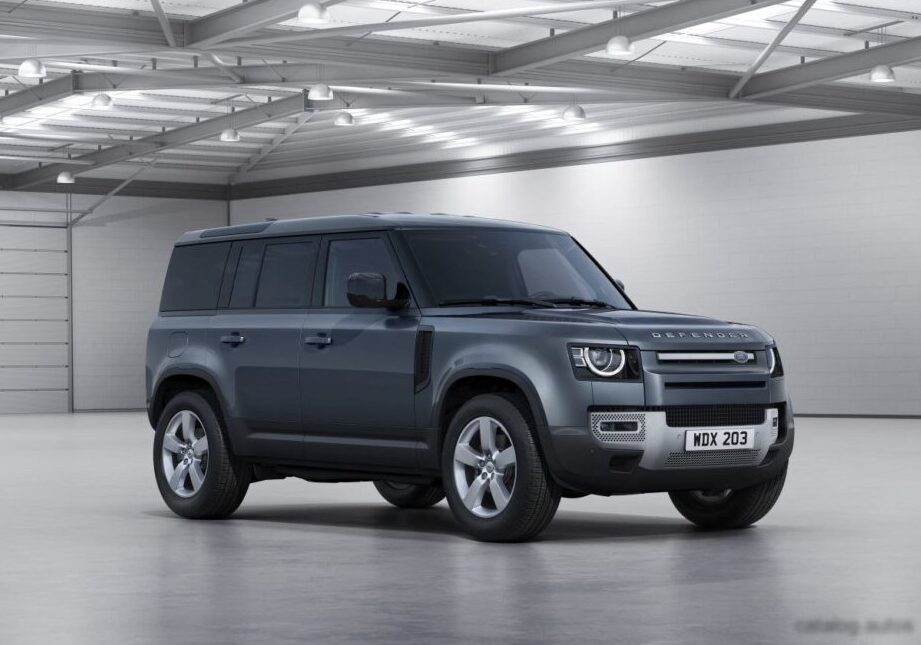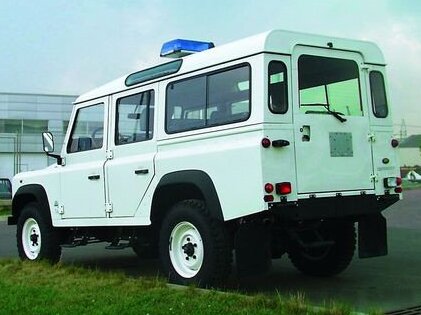
The Land Rover Defender 110 2.5, producing 83 horsepower, represents a pivotal point in the lineage of the iconic Defender series. Produced from 1985 to 1990, this variant occupied a significant position within the broader Defender 110 range, which itself was part of the ongoing evolution of the original Land Rover Series vehicles dating back to 1948. This particular engine and configuration was aimed at buyers needing a robust, utilitarian vehicle, prioritizing capability over outright speed. It served as a workhorse for agricultural, industrial, and expeditionary purposes, particularly in Europe, Africa, and Australia, where its simplicity and durability were highly valued. While not the fastest or most refined Defender available, the 2.5-liter petrol version offered a relatively accessible entry point into the Defender family.
Technical Specifications
| Brand | Land Rover |
| Model | Defender |
| Generation | Defender 110 |
| Type (Engine) | 2.5 (83 Hp) |
| Start of production | 1985 |
| End of production | 1990 |
| Powertrain Architecture | Internal Combustion engine |
| Body type | Off-road vehicle |
| Seats | 5-7 |
| Doors | 4 |
| Fuel consumption (combined) | 16.5 l/100 km (14.3 US mpg, 17.1 UK mpg, 6.1 km/l) |
| Fuel Type | Petrol (Gasoline) |
| Maximum speed | 110 km/h (68.35 mph) |
| Weight-to-power ratio | 21.7 kg/Hp, 46 Hp/tonne |
| Weight-to-torque ratio | 10 kg/Nm, 100.3 Nm/tonne |
| Power | 83 Hp @ 4000 rpm |
| Power per litre | 33.3 Hp/l |
| Torque | 181 Nm @ 2000 rpm (133.5 lb.-ft. @ 2000 rpm) |
| Engine layout | Front, Longitudinal |
| Engine displacement | 2495 cm3 (152.25 cu. in.) |
| Number of cylinders | 4 |
| Engine configuration | Inline |
| Cylinder Bore | 90.5 mm (3.56 in.) |
| Piston Stroke | 97 mm (3.82 in.) |
| Compression ratio | 8:1 |
| Number of valves per cylinder | 2 |
| Fuel injection system | Carburettor |
| Engine aspiration | Naturally aspirated engine |
| Kerb Weight | 1805 kg (3979.34 lbs.) |
| Max. weight | 3050 kg (6724.1 lbs.) |
| Max load | 1245 kg (2744.76 lbs.) |
| Trunk (boot) space – maximum | 2300 l (81.22 cu. ft.) |
| Fuel tank capacity | 80 l (21.13 US gal | 17.6 UK gal) |
| Length | 4438 mm (174.72 in.) |
| Width | 1790 mm (70.47 in.) |
| Height | 2035 mm (80.12 in.) |
| Wheelbase | 2794 mm (110 in.) |
| Front track | 1486 mm (58.5 in.) |
| Rear (Back) track | 1486 mm (58.5 in.) |
| Drive wheel | All wheel drive (4×4) |
| Number of gears and type of gearbox | 5 gears, manual transmission |
| Front suspension | Rigid axle suspension |
| Rear suspension | Rigid axle suspension |
| Front brakes | Disc |
| Rear brakes | Drum |
| Assisting systems | ABS (Anti-lock braking system) |
Powertrain & Engine Architecture
The heart of the Defender 110 2.5 was the 2.5-liter inline-four cylinder petrol engine. This engine, often referred to as the 2.5 petrol, was a relatively simple design, utilizing a cast iron block and cylinder head. It featured a single overhead camshaft (SOHC) operating two valves per cylinder. Fuel delivery was managed by a Zenith 36mm carburetor, a technology increasingly outdated by the mid-1980s but favored for its reliability and simplicity in harsh environments. The engine code varied slightly depending on the market, but it generally falls within the 2.5 petrol family. The 83 horsepower output at 4000 rpm and 181 Nm (133.5 lb-ft) of torque at 2000 rpm were modest, but sufficient for the Defender’s intended purpose. The engine was mounted longitudinally in the chassis. The five-speed manual transmission was the standard offering, providing a reasonable spread of gears for both on-road and off-road driving. An automatic transmission was available as an option, but it was less common and generally considered less robust than the manual.
Driving Characteristics
The Defender 110 2.5 with the 83 hp engine and manual transmission offered a driving experience that prioritized capability over speed. Acceleration was leisurely, and highway cruising required careful planning, especially when laden with cargo or tackling inclines. The gear ratios were chosen to maximize torque at low speeds, making it exceptionally capable in off-road situations. The engine’s torque curve was relatively flat, providing usable power across a wide range of engine speeds. Compared to the more powerful V8-equipped Defenders, the 2.5 felt significantly slower. However, it also offered better fuel economy (though still relatively poor by modern standards) and a lighter front end, which could improve handling on loose surfaces. The automatic transmission, when equipped, further dulled performance, making the vehicle feel even more sluggish. The steering was direct but required significant effort, and the ride was firm due to the vehicle’s rugged suspension.
Equipment & Trim Levels
The Defender 110 2.5 was typically offered in a fairly basic trim level, reflecting its utilitarian focus. Standard features included steel wheels, vinyl upholstery, and a simple dashboard layout. Optional extras included features like a heater, upgraded seating, and a roof rack. The interior was designed for practicality and durability, with minimal frills. The dashboard was typically painted metal, and the controls were large and easy to operate, even with gloves on. The 110 designation referred to the vehicle’s 110-inch wheelbase, providing ample space for passengers and cargo. The body style was typically a station wagon, but pickup truck and hardtop versions were also available.
Chassis & Braking
The Defender 110 utilized a robust ladder frame chassis, providing exceptional strength and durability. The suspension consisted of leaf springs and telescopic shock absorbers on both the front and rear axles. This setup provided a comfortable ride on rough terrain but could be somewhat harsh on paved roads. The front brakes were disc brakes, while the rear brakes were drum brakes. An anti-lock braking system (ABS) was available as an option, improving braking performance on slippery surfaces. The steering was a recirculating ball system, providing direct but relatively heavy steering feel. The vehicle’s high ground clearance and short overhangs contributed to its exceptional off-road capability.
Market Reception & Comparison
The Defender 110 2.5 was generally well-received by buyers who prioritized capability and durability over luxury and performance. Critics acknowledged its off-road prowess and its ability to handle demanding conditions. However, the engine’s modest power output and the vehicle’s relatively crude interior were often criticized. Compared to the V8-equipped Defenders, the 2.5 offered significantly lower performance but also better fuel economy and a lower purchase price. The 2.5 petrol version was often seen as a compromise, offering a balance between affordability and capability. The diesel-powered Defenders, while slower still, were favored by those who prioritized fuel efficiency and low-end torque.
Legacy
The Land Rover Defender 110 2.5 (83 Hp) remains a popular choice among enthusiasts and collectors today. Its simplicity, durability, and iconic design have ensured its enduring appeal. While the engine’s performance is modest by modern standards, it is relatively easy to maintain and repair. The vehicle’s robust chassis and suspension make it well-suited for off-road adventures. However, potential buyers should be aware of the vehicle’s age and the potential for corrosion, particularly in areas that have been exposed to salt. The 2.5 petrol Defender 110 represents a unique chapter in the Defender’s history, embodying the spirit of rugged practicality that has defined the brand for over seven decades. Well-maintained examples command a premium in the used car market, reflecting their enduring desirability.