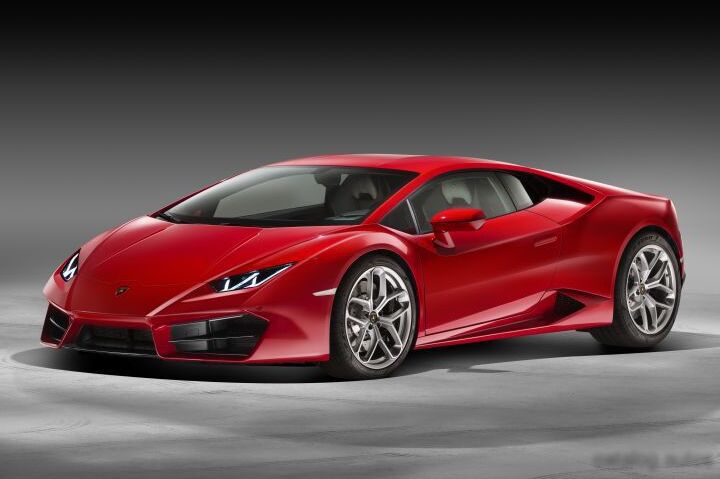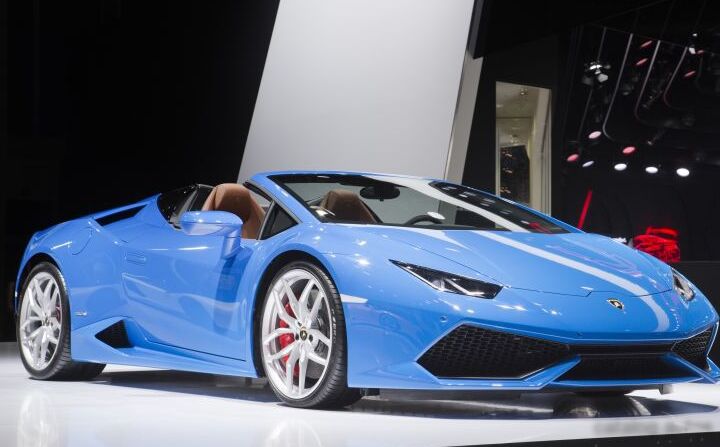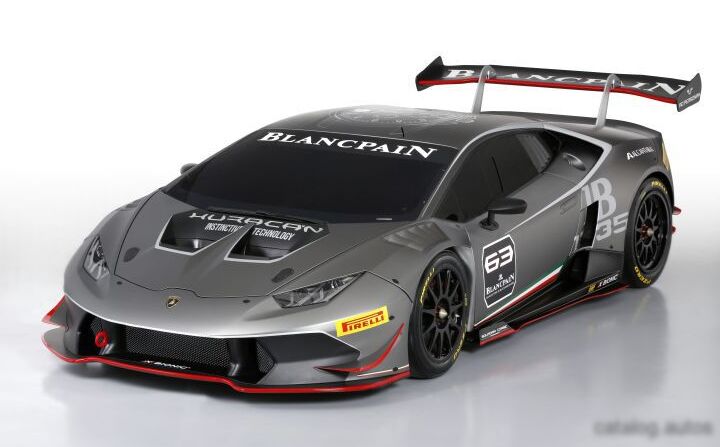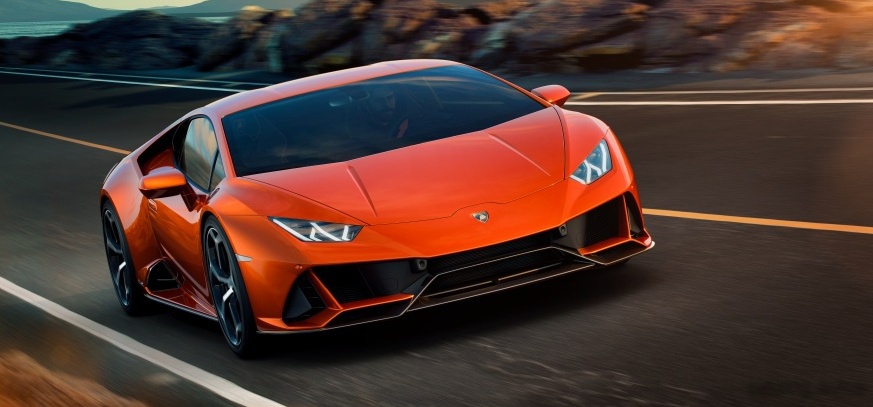
The Lamborghini Huracán EVO, introduced in 2019 as a facelift to the original Huracán, represents a significant evolution of Lamborghini’s entry-level V10 supercar. Specifically, the 5.2 V10 (610 Hp) LDF variant, launched in 2020, builds upon the foundational Huracán platform (based on the Volkswagen Group’s modular toolbox) with enhanced aerodynamics, a revised suspension setup, and updated software for its all-wheel drive system. This iteration aimed to bridge the gap between the original Huracán and the more track-focused Performante model, offering a more refined yet still exhilarating driving experience. The “EVO” designation signifies a comprehensive upgrade rather than a complete generational shift.
Technical Specifications
| Brand | Lamborghini |
| Model | Huracán |
| Generation | Huracán EVO (facelift 2019) |
| Type (Engine) | 5.2 V10 (610 Hp) LDF |
| Start of production | 2020 |
| Powertrain Architecture | Internal Combustion engine |
| Body type | Coupe |
| Seats | 2 |
| Doors | 2 |
| Fuel consumption (combined) | 13.8 l/100 km (17 US mpg, 20.5 UK mpg, 7.2 km/l) |
| CO2 emissions | 330 g/km |
| Fuel Type | Petrol (Gasoline) |
| Acceleration 0 – 100 km/h | 3.3 sec |
| Acceleration 0 – 62 mph | 3.3 sec |
| Acceleration 0 – 60 mph | 3.1 sec |
| Acceleration 0 – 200 km/h | 9.3 sec |
| Maximum speed | 325 km/h (201.95 mph) |
| Power | 610 Hp @ 8000 rpm |
| Torque | 560 Nm @ 6500 rpm (413.03 lb.-ft. @ 6500 rpm) |
| Engine Model/Code | CSJ |
| Engine displacement | 5204 cm3 (317.57 cu. in.) |
| Number of cylinders | 10 |
| Engine configuration | V-engine |
| Cylinder Bore | 84.5 mm (3.33 in.) |
| Piston Stroke | 92.8 mm (3.65 in.) |
| Compression ratio | 12.7:1 |
| Number of valves per cylinder | 4 |
| Fuel injection system | Direct injection and Multi-port manifold injection |
| Engine oil capacity | 7.5 l (7.93 US qt | 6.6 UK qt) |
| Coolant | 22 l (23.25 US qt | 19.36 UK qt) |
| Kerb Weight | 1389 kg (3062.22 lbs.) |
| Length | 4520 mm (177.95 in.) |
| Width | 1933 mm (76.1 in.) |
| Width including mirrors | 2236 mm (88.03 in.) |
| Height | 1165 mm (45.87 in.) |
| Wheelbase | 2620 mm (103.15 in.) |
| Drivetrain Architecture | Rear wheel drive |
| Number of gears and type of gearbox | 7 gears, automatic transmission LDF |
| Front suspension | Double wishbone |
| Rear suspension | Double wishbone |
| Front brakes | Ventilated discs |
| Rear brakes | Ventilated discs |
| Tires size | Front: 245/35 ZR19, Rear: 305/35 ZR19 |
| Wheel rims size | Front: 8.5J x 19, Rear: 11J x 19 |
Powertrain & Engine Architecture
At the heart of the Huracán EVO LDF lies Lamborghini’s naturally aspirated 5.2-liter V10 engine, designated the CSJ code. This engine is a direct descendant of the powerplant found in the Gallardo and earlier Huracán models, but with significant refinements. It utilizes both direct injection and multi-point injection to optimize combustion efficiency and power delivery. The engine boasts a high 12.7:1 compression ratio and a titanium intake valve system, contributing to its responsiveness and high-revving nature. The LDF transmission is a 7-speed dual-clutch automatic, specifically tuned for quicker shifts and improved drivability. This transmission is a crucial component in delivering the car’s rapid acceleration and overall performance. The dual-clutch design allows for seamless gear changes, minimizing torque interruption and maximizing power transfer to the rear wheels.
Driving Characteristics
The Huracán EVO LDF delivers a driving experience that is both visceral and refined. The 610 horsepower and 413 lb-ft of torque provide exhilarating acceleration, with 0-60 mph achieved in approximately 3.1 seconds. The automatic transmission, while offering convenience, is programmed for aggressive shifts in Sport mode, providing a more engaging driving experience. Compared to a manual transmission equipped Huracán, the LDF offers slightly slower acceleration due to the inherent losses in the dual-clutch system, but it compensates with smoother gear changes and ease of use. The rear-wheel drive configuration contributes to a more traditional sports car feel, requiring greater driver skill and involvement compared to the all-wheel drive variants.
Equipment & Trim Levels
The Huracán EVO LDF came standard with a comprehensive suite of features, including a touchscreen infotainment system, navigation, and a premium sound system. Interior appointments typically included leather upholstery, sport seats, and carbon fiber trim. Optional extras included a variety of customization options, such as different interior color schemes, upgraded audio systems, and performance-enhancing features like carbon-ceramic brakes. The LDF trim generally sat in the middle of the Huracán lineup, offering a balance between performance and luxury. It was positioned above the base Huracán but below the more focused Performante and STO models.
Chassis & Braking
The Huracán EVO LDF utilizes a lightweight aluminum chassis, contributing to its agile handling. The suspension system consists of double wishbones at both the front and rear, with magnetorheological dampers that adjust to road conditions in real-time. This provides a comfortable ride in normal driving conditions while firming up during spirited driving. The braking system features ventilated discs at all four corners, providing ample stopping power. The EVO model also benefited from an updated electronic stability control system, enhancing its overall safety and handling characteristics.
Market Reception & Comparison
The Huracán EVO LDF was generally well-received by automotive critics, who praised its improved performance, refined handling, and luxurious interior. Compared to the original Huracán, the EVO offered a more polished and engaging driving experience. Fuel economy, however, remained relatively poor, with combined consumption around 17 US mpg. Reliability was generally good, although the complex engine and transmission systems required regular maintenance. Compared to the all-wheel drive Huracán EVO, the LDF was often favored by purists who preferred the more engaging driving experience of a rear-wheel drive sports car.
Legacy
The Lamborghini Huracán EVO LDF represents a significant step forward in the evolution of the Huracán model line. Its combination of a powerful V10 engine, advanced technology, and refined handling has cemented its place as a desirable supercar. On the used car market, the LDF variant holds its value well, particularly examples with low mileage and a well-documented service history. The powertrain, while complex, has proven to be relatively reliable with proper maintenance, making it a viable option for enthusiasts seeking a thrilling and rewarding driving experience. The Huracán EVO LDF continues to be a benchmark in the supercar segment, offering a unique blend of performance, luxury, and Italian flair.