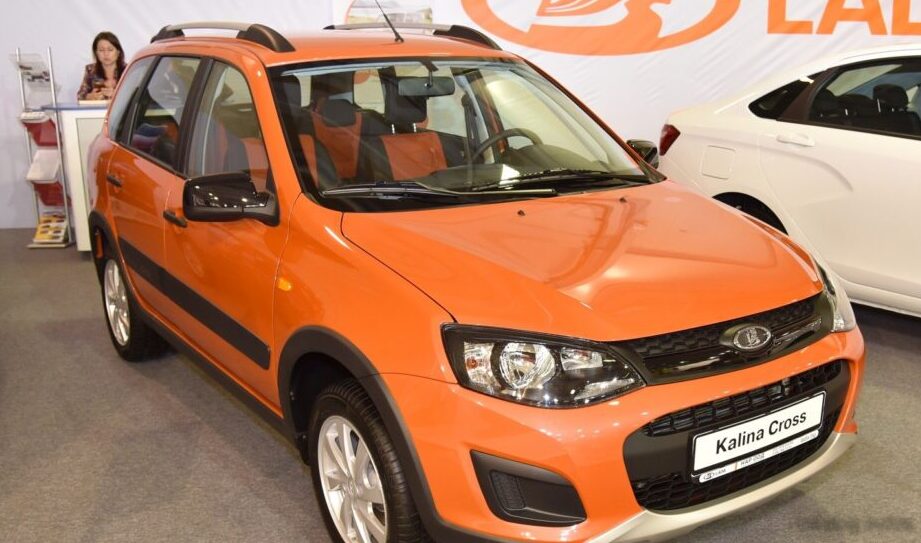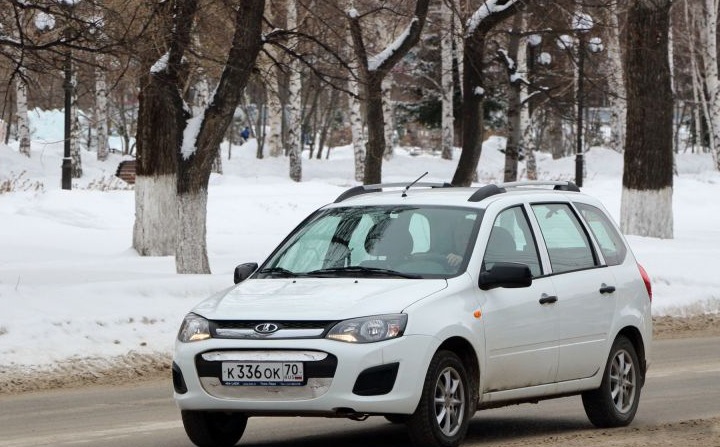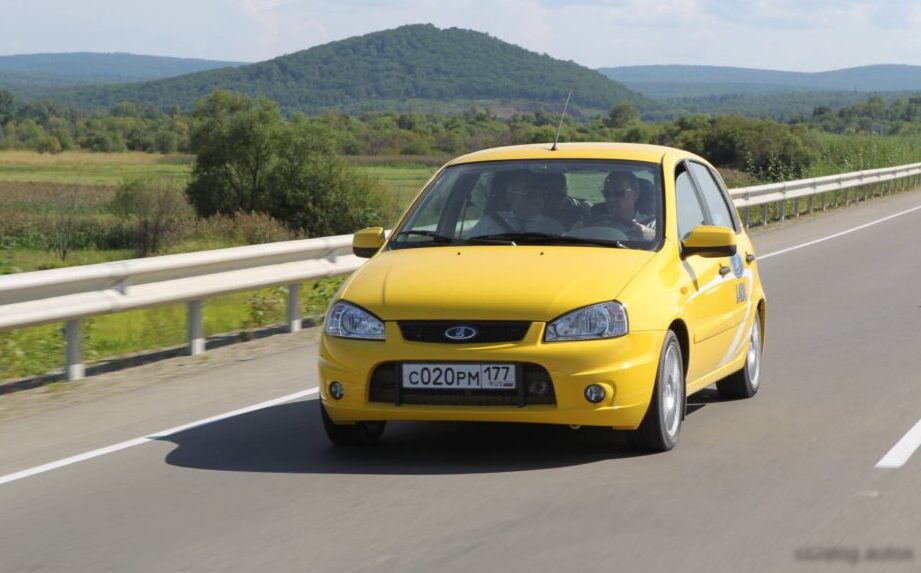
The Lada Kalina II Hatchback, specifically the 2192 variant powered by a 1.6-liter engine producing 87 horsepower, was a key model in Lada’s lineup from 2013 to 2018. Positioned as an affordable and practical subcompact, the Kalina II represented a significant step forward for the Russian automaker in terms of design, build quality, and available features. This particular engine and transmission combination – the 1.6L paired with a 5-speed manual – served as a core offering, targeting budget-conscious buyers seeking reliable transportation. It was part of the broader Kalina II range, which also included variations with different engine options and trim levels.
Technical Specifications
| Brand | Lada |
| Model | Kalina |
| Generation | Kalina II Hatchback (2192) |
| Type (Engine) | 1.6 (87 Hp) |
| Start of production | 2013 |
| End of production | 2018 |
| Powertrain Architecture | Internal Combustion engine |
| Body type | Hatchback |
| Seats | 5 |
| Doors | 5 |
| Fuel consumption (urban) | 9 l/100 km (26.1 US mpg, 31.4 UK mpg, 11.1 km/l) |
| Fuel consumption (extra urban) | 5.8 l/100 km (40.6 US mpg, 48.7 UK mpg, 17.2 km/l) |
| Fuel consumption (combined) | 7 l/100 km (33.6 US mpg, 40.4 UK mpg, 14.3 km/l) |
| Fuel Type | Petrol (Gasoline) |
| Acceleration 0 – 100 km/h | 12.2 sec |
| Acceleration 0 – 62 mph | 12.2 sec |
| Acceleration 0 – 60 mph | 11.6 sec |
| Maximum speed | 168 km/h (104.39 mph) |
| Weight-to-power ratio | 12.9 kg/Hp, 77.3 Hp/tonne |
| Weight-to-torque ratio | 8 kg/Nm, 124.4 Nm/tonne |
| Power | 87 Hp @ 5100 rpm |
| Power per litre | 54.5 Hp/l |
| Torque | 140 Nm @ 3800 rpm (103.26 lb.-ft. @ 3800 rpm) |
| Engine layout | Front, Transverse |
| Engine Model/Code | 11186 |
| Engine displacement | 1596 cm3 (97.39 cu. in.) |
| Number of cylinders | 4 |
| Engine configuration | Inline |
| Number of valves per cylinder | 2 |
| Fuel injection system | Multi-port manifold injection |
| Engine aspiration | Naturally aspirated engine |
| Engine oil capacity | 3.2 l (3.38 US qt | 2.82 UK qt) |
| Coolant capacity | 7.84 l (8.28 US qt | 6.9 UK qt) |
| Kerb Weight | 1125 kg (2480.2 lbs) |
| Max. weight | 1560 kg (3439.21 lbs) |
| Max load | 435 kg (959.01 lbs) |
| Trunk (boot) space – minimum | 240 l (8.48 cu. ft) |
| Trunk (boot) space – maximum | 550 l (19.42 cu. ft) |
| Fuel tank capacity | 50 l (13.21 US gal | 11 UK gal) |
| Permitted trailer load with brakes (12%) | 900 kg (1984.16 lbs) |
| Permitted trailer load without brakes | 450 kg (992.08 lbs) |
| Length | 3893 mm (153.27 in) |
| Width | 1700 mm (66.93 in) |
| Height | 1500 mm (59.06 in) |
| Wheelbase | 2476 mm (97.48 in) |
| Front track | 1430 mm (56.3 in) |
| Rear (Back) track | 1414 mm (55.67 in) |
| Ride height (ground clearance) | 160 mm (6.3 in) |
| Drivetrain Architecture | Front wheel drive |
| Number of gears and type of gearbox | 5 gears, manual transmission |
| Front suspension | Independent, type McPherson with coil spring and anti-roll bar |
| Rear suspension | Semi-independent, coil spring |
| Assisting systems | ABS (Anti-lock braking system) |
| Steering type | Steering rack and pinion |
| Tires size | 175/65 R14; 185/60 R14 |
| Wheel rims size | 14 |
Powertrain & Engine Architecture
The heart of this Kalina II variant is the Lada 11186 engine, a 1.6-liter inline-four cylinder gasoline engine. This engine, a development of earlier Lada designs, features a relatively simple architecture with two valves per cylinder and a multi-port fuel injection system. The 11186 engine is known for its robustness and relative ease of maintenance, characteristics valued in the Russian market. The engine’s 87 horsepower output at 5100 rpm and 140 Nm (103.26 lb-ft) of torque at 3800 rpm are delivered through a standard five-speed manual transmission. This transmission was chosen for its affordability and reliability, although it wasn’t known for particularly sporty or refined shifts. The engine’s design prioritized durability and fuel efficiency over outright performance.
Driving Characteristics
The 1.6-liter, 87 hp Kalina II offered modest performance. Acceleration from 0 to 100 km/h (0-62 mph) took approximately 12.2 seconds, and top speed was around 168 km/h (104 mph). Compared to other Kalina II variants, such as those equipped with the 1.6-liter 106 hp engine, this version felt noticeably slower, particularly when fully loaded or climbing hills. The five-speed manual transmission had relatively long gearing, prioritizing fuel economy over quick acceleration. The power delivery was linear but lacked the punch of higher-output engines. Handling was adequate for everyday driving, but the suspension was tuned for comfort rather than sporty handling. The steering, while precise enough, lacked feedback.
Equipment & Trim Levels
The 1.6-liter Kalina II typically came with a basic level of equipment, reflecting its position as an entry-level model. Standard features generally included power steering, central locking, front power windows, and an ABS anti-lock braking system. Interior upholstery was typically cloth, and the dashboard featured a functional but utilitarian design. Optional extras, depending on the year and market, could include air conditioning, power windows for the rear doors, and a basic audio system. Higher trim levels within the Kalina II range offered more luxurious features, such as alloy wheels, upgraded interior trim, and additional safety equipment.
Chassis & Braking
The Kalina II utilized a front-wheel-drive chassis with an independent McPherson strut suspension in the front and a semi-independent coil spring suspension in the rear. The front suspension incorporated an anti-roll bar to reduce body roll during cornering. Braking was typically accomplished with disc brakes on the front wheels and drum brakes on the rear wheels. The braking system, while adequate for normal driving conditions, wasn’t particularly powerful. The relatively lightweight construction of the Kalina II (around 1125 kg or 2480 lbs) helped to offset the limitations of the braking system.
Market Reception & Comparison
The Lada Kalina II 1.6 (87 Hp) was generally well-received in Russia and other Eastern European markets as an affordable and practical vehicle. Critics praised its improved build quality and more modern design compared to previous Lada models. However, the engine’s modest power output and the somewhat basic interior were often cited as drawbacks. Compared to other trims in the Kalina II lineup, this variant offered the most accessible price point, making it attractive to first-time buyers and those on a tight budget. Fuel economy was a strong point, with combined fuel consumption around 7 l/100 km (33.6 US mpg), making it a relatively economical choice for daily commuting.
Legacy
The Lada Kalina II, including the 1.6-liter 87 hp variant, proved to be a relatively reliable vehicle, particularly when properly maintained. The 11186 engine is known for its durability, and spare parts are generally readily available and affordable. In the used car market, these Kalina IIs represent a very affordable option for basic transportation. While not known for its performance or luxury, the Kalina II 1.6 remains a popular choice for those seeking a simple, dependable, and inexpensive vehicle. Its legacy lies in providing affordable mobility to a wide range of drivers in Eastern Europe and beyond.