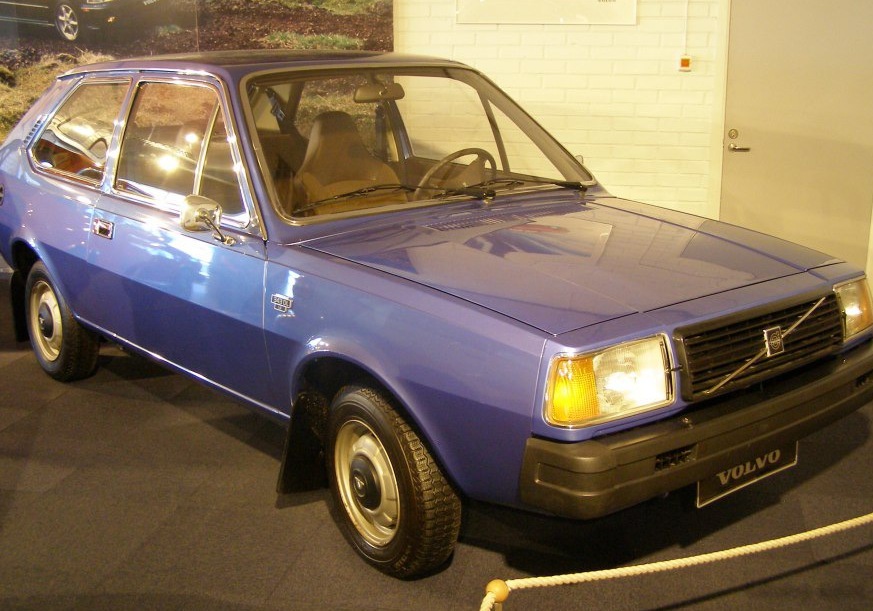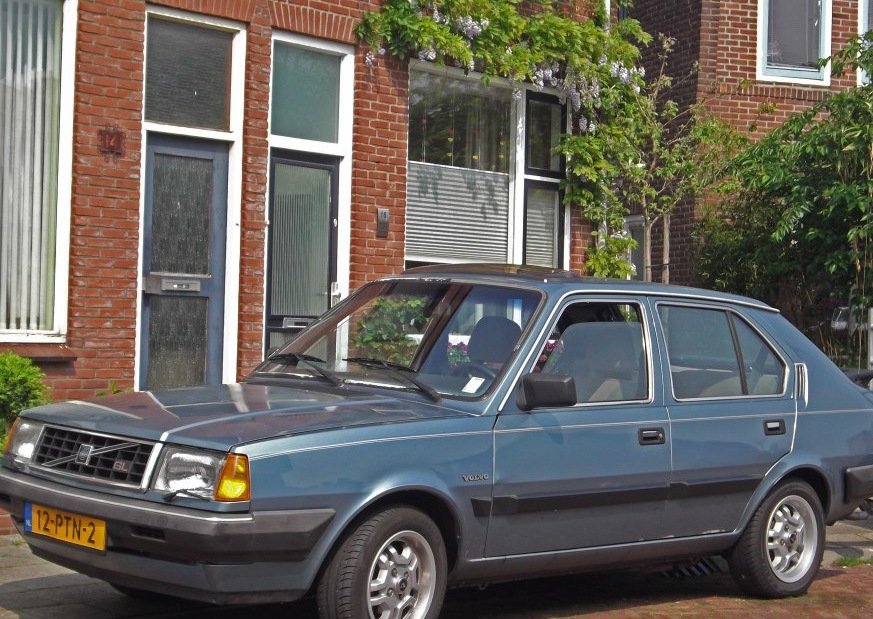
The Volvo 340 and 360 series, specifically the 344 model produced between 1984 and 1986 with the 2.0-liter (B200E) engine producing 118 horsepower, represented a significant departure for the Swedish automaker. This variant occupied a middle ground within the 340/360 lineup, offering a balance between affordability and performance. The 340 series, introduced in 1976, was Volvo’s first front-wheel-drive vehicle, a move necessitated by changing market demands and increasing fuel costs. The 344, the initial 5-door hatchback version, aimed to provide a practical and safe family car, and the 2.0-liter engine option broadened its appeal to buyers seeking a bit more power than the base 1.4-liter engine offered.
Technical Specifications
| Brand | Volvo |
| Model | 340-360 |
| Generation | 340-360 (344) |
| Type (Engine) | 2.0 (118 Hp) |
| Start of production | 1984 |
| End of production | 1986 |
| Powertrain Architecture | Internal Combustion engine |
| Body type | Hatchback |
| Seats | 5 |
| Doors | 5 |
| Fuel Type | Petrol (Gasoline) |
| Power | 118 Hp |
| Engine Model/Code | B200E |
| Engine aspiration | Naturally aspirated engine |
| Engine oil capacity | 4.5 l (4.76 US qt | 3.96 UK qt) |
| Coolant capacity | 7 l (7.4 US qt | 6.16 UK qt) |
| Fuel tank capacity | 57 l (15.06 US gal | 12.54 UK gal) |
| Length | 4320 mm (170.08 in) |
| Width | 1660 mm (65.35 in) |
| Height | 1392 mm (54.8 in) |
Powertrain & Engine Architecture
The heart of the 1984-1986 Volvo 344 2.0 was the B200E engine, a 1986cc inline-four cylinder powerplant. This engine was a significant upgrade from the earlier 1.4-liter options, providing a noticeable increase in both horsepower and torque. The B200E featured a cast iron block and an aluminum cylinder head, a common configuration for Volvo engines of the era. Fuel delivery was handled by Bosch mechanical fuel injection, a system chosen for its reliability and relative simplicity compared to emerging electronic fuel injection systems. The engine utilized a single overhead camshaft (SOHC) valvetrain, operating two valves per cylinder. While not particularly high-tech by modern standards, the B200E was known for its durability and smooth power delivery. The engine was typically paired with a four-speed automatic transmission, although a five-speed manual was also available. The automatic transmission, while providing ease of use, did impact acceleration and fuel economy compared to the manual version. The transmission itself was a conventional three-speed unit with an overdrive, designed to balance performance and fuel efficiency. It wasn’t known for particularly quick shifts, but it was generally reliable.
Driving Characteristics
The 344 2.0 Automatic offered a comfortable and predictable driving experience. With 118 horsepower and approximately 128 lb-ft of torque, acceleration was adequate for everyday driving, but not particularly sporty. The automatic transmission featured relatively tall gear ratios, prioritizing fuel efficiency over rapid acceleration. The 0-60 mph time was estimated to be around 11-12 seconds, which was competitive for family cars of the time, but slower than the manual transmission equipped models. The front-wheel-drive layout provided good traction in most conditions, and the suspension, while relatively basic, offered a comfortable ride. Compared to the base 1.4-liter engine, the 2.0-liter provided a more relaxed driving experience, particularly when fully loaded with passengers or cargo. The automatic transmission, while convenient, did result in some power loss and a less engaging driving experience compared to the manual. The steering was light and responsive, making it easy to maneuver in city traffic. Overall, the driving experience was geared towards comfort and practicality rather than performance.
Equipment & Trim Levels
The 344 2.0 Automatic typically came with a reasonable level of standard equipment for the mid-1980s. This included cloth upholstery, a basic AM/FM radio, and manual windows and door locks. Power steering was often included, but air conditioning was typically an optional extra. Interior trim was generally functional and durable, reflecting Volvo’s emphasis on practicality. Optional extras included a sunroof, upgraded stereo systems, and metallic paint finishes. The trim level of the 2.0 Automatic generally positioned it as a mid-range offering within the 340/360 lineup, bridging the gap between the more basic 1.4-liter models and the slightly more luxurious 360 GL models. The GL models typically featured upgraded interior trim, additional chrome accents, and more standard features like air conditioning and a better stereo system. The 2.0 Automatic aimed to provide a good balance of features and affordability for the average family.
Chassis & Braking
The Volvo 344 featured a relatively simple chassis design. It utilized a MacPherson strut front suspension and a solid axle rear suspension. The front suspension incorporated a stabilizer bar to reduce body roll. Braking was accomplished via disc brakes on the front wheels and drum brakes on the rear wheels. This configuration was common for vehicles in this price range during the 1980s. The braking system was adequate for normal driving conditions, but lacked the stopping power of more modern systems. The car’s relatively light weight helped to compensate for the rear drum brakes. Steering was rack and pinion, providing reasonably precise handling. The suspension was tuned for comfort, prioritizing a smooth ride over sporty handling. The solid rear axle, while simple and durable, could sometimes result in a less refined ride quality compared to independent rear suspension systems.
Market Reception & Comparison
The Volvo 340/360 series, including the 2.0 Automatic variant, was generally well-received by automotive critics for its safety, practicality, and durability. The 2.0-liter engine was praised for providing a noticeable improvement in performance over the base 1.4-liter engine. However, the automatic transmission was sometimes criticized for its sluggishness and impact on fuel economy. Compared to other European hatchbacks of the time, such as the Volkswagen Golf or Ford Escort, the Volvo 344 offered a more spacious interior and a reputation for superior safety. Fuel economy for the 2.0 Automatic was typically in the range of 22-28 mpg, depending on driving conditions. Reliability was generally good, although some owners reported issues with the Bosch fuel injection system over time. The Golf and Escort offered more engaging driving experiences, but the Volvo prioritized safety and comfort. The Volvo’s boxy styling was also a point of discussion, with some finding it utilitarian and others appreciating its distinctive look.
Legacy
The Volvo 340/360 series played a crucial role in establishing Volvo as a manufacturer of safe, reliable, and practical vehicles. The B200E engine, in particular, proved to be a durable and long-lasting powerplant. Today, the 344 2.0 Automatic is a relatively affordable classic car, appealing to enthusiasts who appreciate its simplicity and Scandinavian design. While not a high-performance vehicle, it offers a comfortable and reliable driving experience. Parts availability is generally good, although some specific components may be difficult to find. The car’s reputation for safety and durability has helped to maintain its value in the used car market, making it a popular choice for collectors and everyday drivers alike. The 340/360 series paved the way for Volvo’s future success in the front-wheel-drive market and cemented its reputation for building safe and dependable automobiles. The introduction of front-wheel drive was a pivotal moment for Volvo, and the 340/360 series demonstrated the company’s ability to adapt to changing market demands while maintaining its commitment to safety and quality.