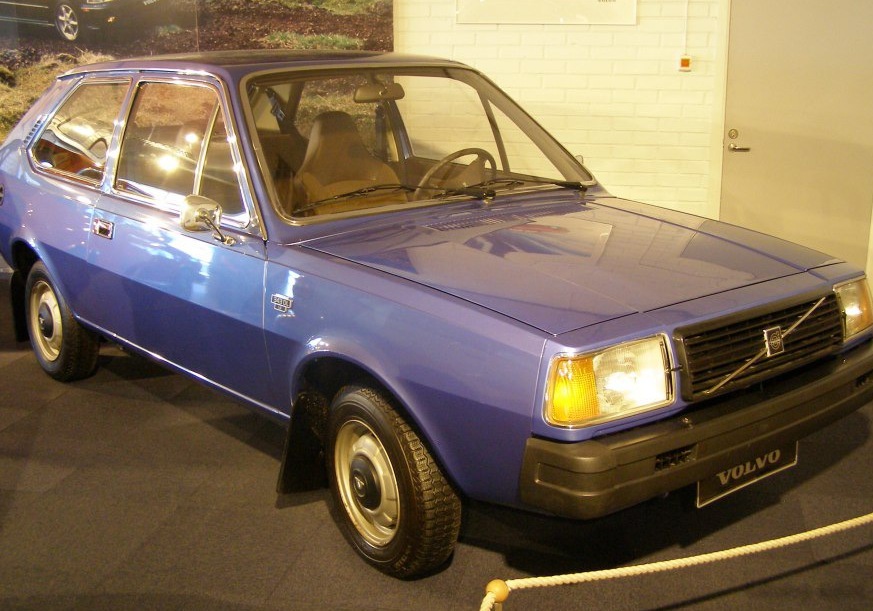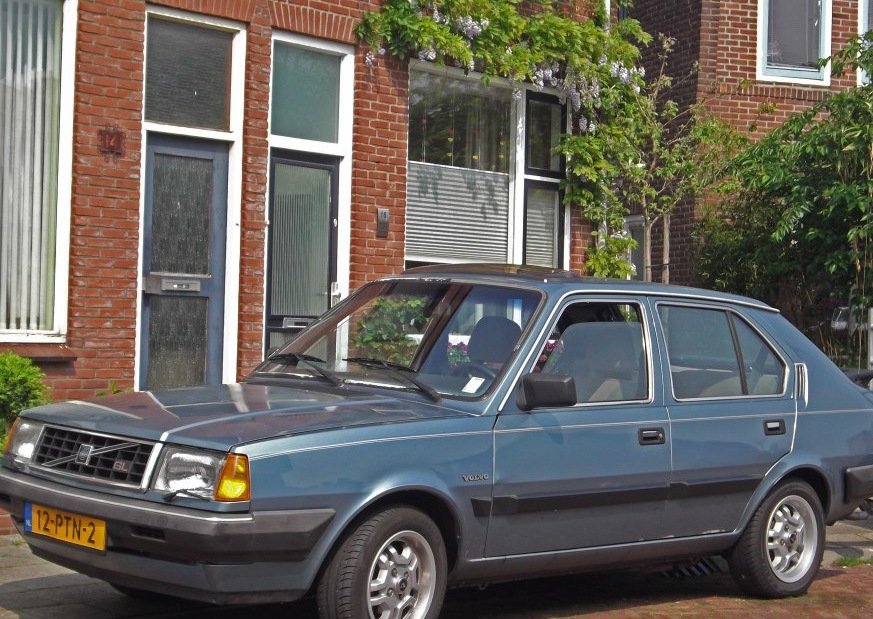
The Volvo 340 and 360 series, specifically the 344 model produced between 1982 and 1984 with the 2.0-liter, 90 horsepower engine (designated B19A), represented Volvo’s entry into the compact, front-wheel-drive market. This variant was a crucial part of Volvo’s strategy to offer a more affordable and fuel-efficient vehicle, particularly in response to increasing competition from Japanese and German manufacturers. The 344, a five-door hatchback, aimed to provide Volvo’s traditional safety and durability in a smaller package. It was the first Volvo to adopt a transverse engine layout and front-wheel drive, marking a significant departure from the company’s traditionally rear-wheel-drive vehicles.
Technical Specifications
| Brand | Volvo |
| Model | 340-360 (344) |
| Generation | 340-360 (344) |
| Type (Engine) | 2.0 (90 Hp) |
| Start of production | 1982 |
| End of production | 1984 |
| Powertrain Architecture | Internal Combustion engine |
| Body type | Hatchback |
| Seats | 5 |
| Doors | 5 |
| Fuel Type | Petrol (Gasoline) |
| Power | 90 Hp |
| Engine Model/Code | B19A |
| Engine aspiration | Naturally aspirated engine |
| Engine oil capacity | 4.5 l (4.76 US qt | 3.96 UK qt) |
| Coolant capacity | 7 l (7.4 US qt | 6.16 UK qt) |
| Fuel tank capacity | 57 l (15.06 US gal | 12.54 UK gal) |
| Length | 4320 mm (170.08 in) |
| Width | 1660 mm (65.35 in) |
| Height | 1392 mm (54.8 in) |
Powertrain & Engine Architecture
The heart of the 344 2.0 was the B19A engine, a 1986 cc (1.986 liters) inline-four cylinder engine. This engine featured a cast iron block and an aluminum cylinder head. It utilized a Bosch K-Jetronic mechanical fuel injection system, a common feature on European cars of the era, known for its reliability and relatively precise fuel delivery. The B19A employed a single overhead camshaft (SOHC) valvetrain with two valves per cylinder. While not a high-performance engine, the B19A was designed for durability and ease of maintenance. The 90 horsepower output was achieved at 5200 rpm, with peak torque of 103 lb-ft at 3000 rpm. This engine was typically paired with a four-speed automatic transmission, although a five-speed manual was also available. The automatic transmission, while providing convenience, was known for its relatively slow shift times and contributed to slightly lower fuel economy compared to the manual version.
Driving Characteristics
The 344 2.0 Automatic offered a comfortable, if not particularly sporty, driving experience. Acceleration was adequate for everyday driving, with a 0-60 mph time estimated around 12-14 seconds. The automatic transmission’s gear ratios were geared towards fuel efficiency and smooth cruising rather than rapid acceleration. Compared to the manual transmission version, the automatic felt noticeably slower, especially during overtaking maneuvers. The front-wheel-drive layout provided decent handling in most conditions, but the car wasn’t known for its sharp cornering ability. The suspension, consisting of MacPherson struts in the front and a twist-beam axle in the rear, prioritized ride comfort over handling precision. The relatively low horsepower and torque figures meant that the engine needed to be revved to maintain speed on inclines or when carrying a full load.
Equipment & Trim Levels
The 344 2.0 Automatic typically came with a fairly basic level of equipment, reflecting its position as an entry-level model. Standard features included cloth upholstery, a basic AM/FM radio, and manual windows and door locks. The dashboard layout was functional and straightforward, with clearly marked gauges for speed, fuel level, coolant temperature, and battery voltage. Optional extras included a sunroof, upgraded stereo systems, and power windows. Interior color schemes were typically subdued, with options for gray or blue cloth upholstery. The 344 didn’t offer the luxurious appointments found in higher-end Volvo models like the 240 series.
Chassis & Braking
The 344’s chassis was a monocoque construction, providing a good level of structural rigidity. The front suspension utilized MacPherson struts with stabilizer bar, while the rear suspension employed a twist-beam axle. Braking was initially provided by front disc brakes and rear drum brakes. Later models saw the introduction of rear disc brakes as standard equipment, improving braking performance. The braking system was hydraulically assisted, providing adequate stopping power for the car’s weight and performance. Steering was rack-and-pinion, offering reasonable precision and feedback.
Market Reception & Comparison
The 344 2.0 Automatic was generally well-received by critics as a practical and safe compact car. However, the automatic transmission was often criticized for its sluggish performance. Compared to other cars in its class, such as the Volkswagen Golf or Ford Escort, the 344 offered a more robust build quality and a reputation for safety. Fuel economy was reasonable for the time, averaging around 25-30 mpg in mixed driving conditions. The 344’s reliability was generally good, although the K-Jetronic fuel injection system could require occasional maintenance. Compared to the 344 GL, which offered a more powerful engine and upgraded trim, the 2.0 Automatic was positioned as the more affordable and fuel-conscious option. The manual transmission version of the 2.0 offered a more engaging driving experience and slightly better fuel economy.
Legacy
The Volvo 340/360 series, including the 344 2.0 Automatic, played a significant role in Volvo’s history, marking the company’s transition to front-wheel-drive technology. While the B19A engine and automatic transmission combination wasn’t known for its performance, it proved to be a durable and reliable powertrain. Today, the 344 2.0 Automatic is a relatively rare sight on the roads, but it has gained a following among classic Volvo enthusiasts. Parts availability can be a challenge, but the car’s simple mechanical design makes it relatively easy to maintain for those with mechanical skills. The 344’s enduring appeal lies in its combination of Volvo’s traditional values of safety, durability, and practicality, offered in a compact and affordable package.