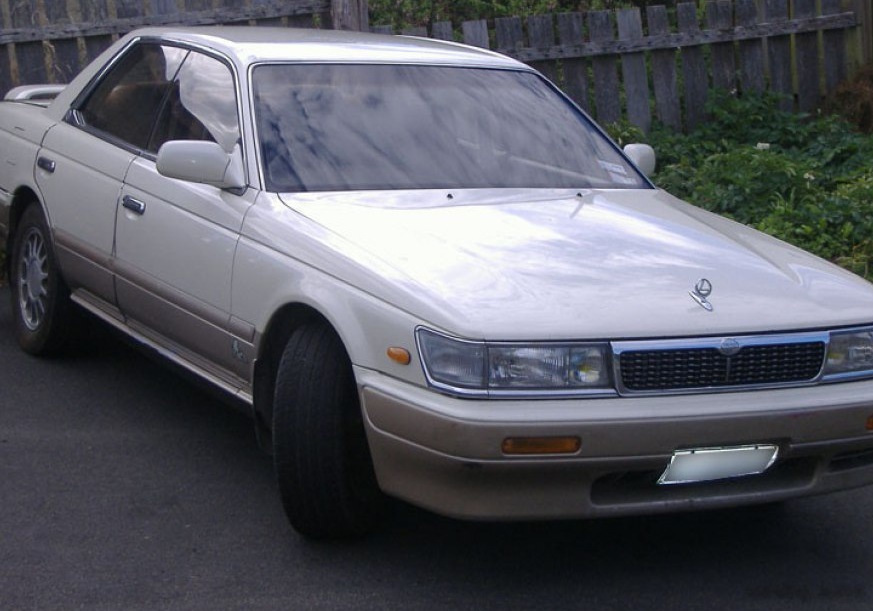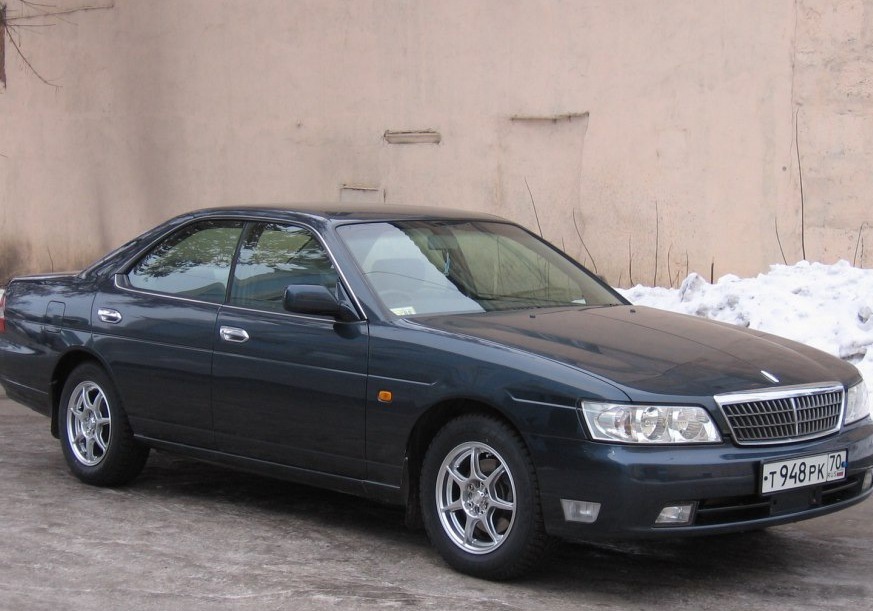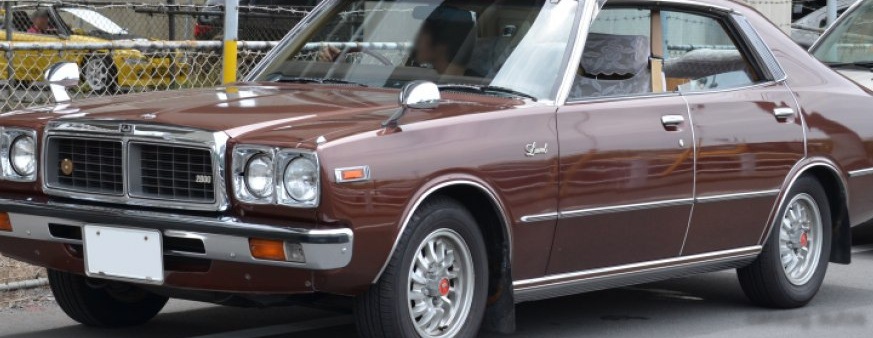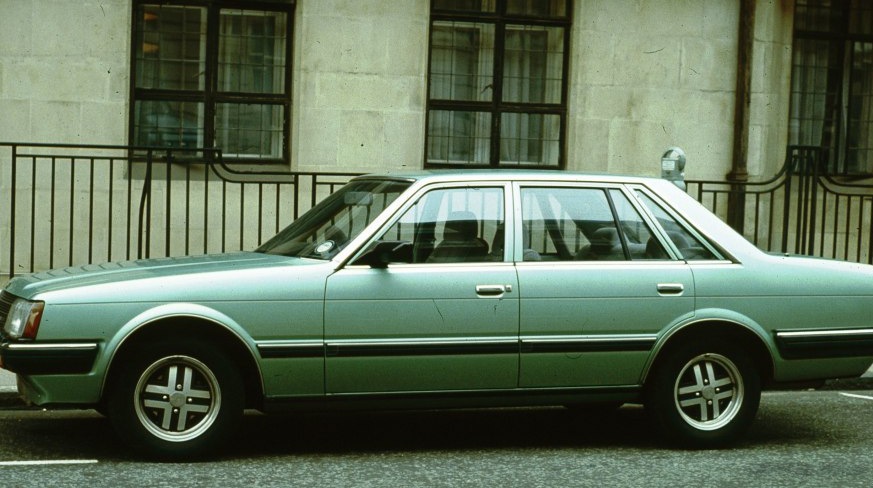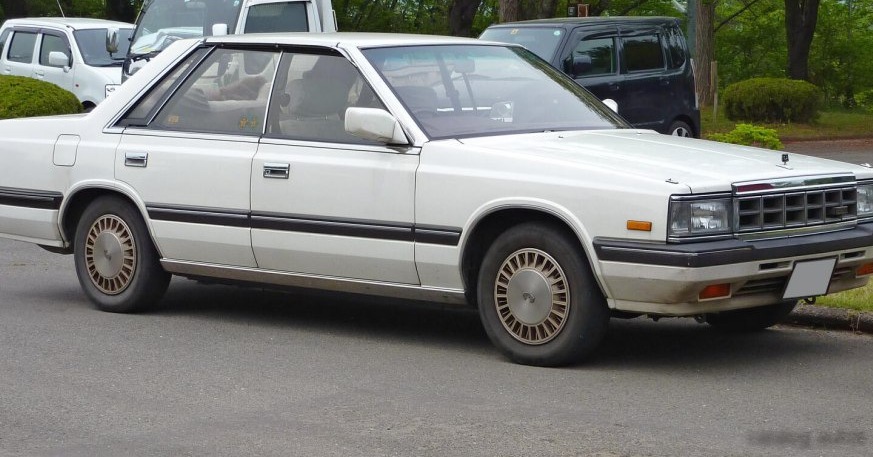
The Nissan Laurel JC32 2.8 D, produced between 1985 and 1987, represents a unique offering within the broader JC32 Laurel generation. Positioned as a diesel-powered variant in a market increasingly focused on gasoline engines, the 2.8 D aimed to provide fuel economy and durability for Japanese buyers. The JC32 Laurel, overall, was a mid-size sedan intended to bridge the gap between Nissan’s more compact offerings and the larger, more luxurious Cedric and Gloria models. This particular diesel version, with its 84 horsepower output, was not intended for performance but rather for practical, everyday transportation. It served as a more economical alternative to the gasoline-powered Laurels, appealing to a different segment of the Japanese automotive market.
Technical Specifications
| Brand | Nissan |
| Model | Laurel |
| Generation | Laurel (JC32) |
| Type (Engine) | 2.8 D (84 Hp) |
| Start of production | 1985 |
| End of production | 1987 |
| Powertrain Architecture | Internal Combustion engine |
| Body type | Sedan |
| Seats | 5 |
| Doors | 4 |
| Fuel consumption (urban) | 8.5 l/100 km (27.7 US mpg) |
| Fuel consumption (extra urban) | 5.9 l/100 km (39.9 US mpg) |
| Fuel Type | Diesel |
| Maximum speed | 165 km/h (102.53 mph) |
| Weight-to-power ratio | 15.7 kg/Hp |
| Weight-to-torque ratio | 8.3 kg/Nm |
| Power | 84 Hp @ 4400 rpm |
| Power per litre | 30.1 Hp/l |
| Torque | 159 Nm @ 2400 rpm (117.27 lb.-ft. @ 2400 rpm) |
| Engine layout | Front, Longitudinal |
| Engine Model/Code | LD28 |
| Engine displacement | 2793 cm3 (170.44 cu. in.) |
| Number of cylinders | 6 |
| Engine configuration | Inline |
| Cylinder Bore | 84.5 mm (3.33 in.) |
| Piston Stroke | 83 mm (3.27 in.) |
| Compression ratio | 22:1 |
| Number of valves per cylinder | 2 |
| Fuel injection system | Precombustion chamber injection |
| Engine aspiration | Naturally aspirated |
| Valvetrain | SOHC |
| Engine oil capacity | 5.7 l (6.02 US qt | 5.02 UK qt) |
| Coolant capacity | 10.2 l (10.78 US qt | 8.97 UK qt) |
| Kerb Weight | 1320 kg (2910.1 lbs.) |
| Trunk (boot) space | 397 l (14.02 cu. ft.) |
| Fuel tank capacity | 65 l (17.17 US gal | 14.3 UK gal) |
| Max. roof load | 100 kg (220.46 lbs.) |
| Permitted trailer load (braked) | 1200 kg (2645.55 lbs.) |
| Permitted trailer load (unbraked) | 600 kg (1322.77 lbs.) |
| Permitted towbar download | 75 kg (165.35 lbs.) |
| Length | 4650 mm (183.07 in.) |
| Width | 1690 mm (66.54 in.) |
| Height | 1425 mm (56.1 in.) |
| Wheelbase | 2670 mm (105.12 in.) |
| Front track | 1410 mm (55.51 in.) |
| Rear track | 1390 mm (54.72 in.) |
| Minimum turning circle | 11 m (36.09 ft.) |
| Drivetrain | Rear wheel drive |
| Number of gears | 5 gears, manual transmission |
| Front suspension | Independent, McPherson with coil spring and anti-roll bar |
| Rear suspension | Trailing arm |
| Front brakes | Ventilated discs |
| Rear brakes | Drum |
| Steering type | Steering rack and pinion |
| Power steering | Hydraulic |
| Tires size | 185/70 R14 |
| Wheel rims size | 5.5J x 14 |
Powertrain & Engine Architecture
The heart of the JC32 2.8 D is the Nissan LD28 diesel engine, a 2.8-liter inline-six cylinder unit. This engine utilized precombustion chamber injection, a common diesel technology of the era, to improve combustion efficiency. The LD28 was known for its robustness and relatively simple design, prioritizing durability over outright power. The single overhead camshaft (SOHC) valvetrain operated two valves per cylinder. While 84 horsepower might seem modest by modern standards, it was a reasonable output for a naturally aspirated diesel engine of this displacement in the mid-1980s. The engine’s torque peak of 159 Nm (117.27 lb-ft) at 2400 rpm was more significant, providing usable pulling power for everyday driving. The JC32 2.8 D was exclusively offered with a 5-speed manual transmission, designed to efficiently manage the engine’s torque curve and provide reasonable fuel economy.
Driving Characteristics
The driving experience in the Laurel 2.8 D was characterized by its relaxed nature. The 5-speed manual transmission, while offering driver control, was geared towards maximizing fuel efficiency rather than providing sporty acceleration. Acceleration was adequate for merging onto highways and maintaining cruising speeds, but it wasn’t a particularly quick vehicle. The engine’s torque delivery was smooth and predictable, making it easy to drive in various conditions. Compared to the gasoline-powered Laurel variants, the 2.8 D offered significantly better fuel economy, but at the expense of performance. The gasoline engines, particularly the larger displacement options, provided a more responsive and engaging driving experience. However, the diesel’s durability and lower running costs appealed to a different type of driver.
Equipment & Trim Levels
The JC32 2.8 D Laurel typically came with a fairly basic level of equipment, reflecting its position as a more affordable variant. Standard features generally included cloth upholstery, a basic instrument cluster, and manual windows and door locks. Air conditioning was often an optional extra. The interior design was functional and straightforward, prioritizing practicality over luxury. Higher trim levels of the Laurel, available with gasoline engines, offered features such as power windows, central locking, upgraded audio systems, and more luxurious interior materials. The 2.8 D was aimed at buyers who prioritized economy and reliability over these comfort and convenience features.
Chassis & Braking
The JC32 Laurel utilized a traditional rear-wheel-drive layout. The front suspension employed an independent McPherson strut design with coil springs and an anti-roll bar, providing a comfortable ride and reasonable handling. The rear suspension featured a trailing arm setup, which was a cost-effective and durable solution. Braking was accomplished via ventilated discs at the front and drum brakes at the rear. While adequate for the vehicle’s weight and performance, the drum brakes on the rear were a compromise to keep costs down. Steering was handled by a hydraulic power steering system, making it relatively easy to maneuver at low speeds.
Market Reception & Comparison
The Nissan Laurel 2.8 D received a mixed reception. While praised for its fuel economy and durability, it was often criticized for its lack of performance compared to its gasoline-powered siblings. Critics noted that the diesel engine was noisy and lacked the refinement of more modern diesel engines. However, the 2.8 D found a niche among buyers who valued practicality and low running costs. Compared to other diesel-powered sedans of the era, the Laurel 2.8 D offered a good balance of fuel economy, reliability, and comfort. The gasoline-powered Laurels, particularly those with larger engines, were more popular among buyers who prioritized performance and refinement.
Legacy
The LD28 diesel engine proved to be remarkably durable, and many examples of the JC32 2.8 D Laurel are still on the road today. While not highly sought after by collectors, these vehicles are appreciated by enthusiasts for their simplicity and reliability. The 2.8 D powertrain is known for its ability to withstand high mileage with proper maintenance. In the used car market, the JC32 2.8 D Laurel represents an affordable and practical classic car, offering a glimpse into the automotive landscape of the mid-1980s. Its enduring reputation for reliability ensures it remains a viable option for those seeking a dependable and economical vintage vehicle.