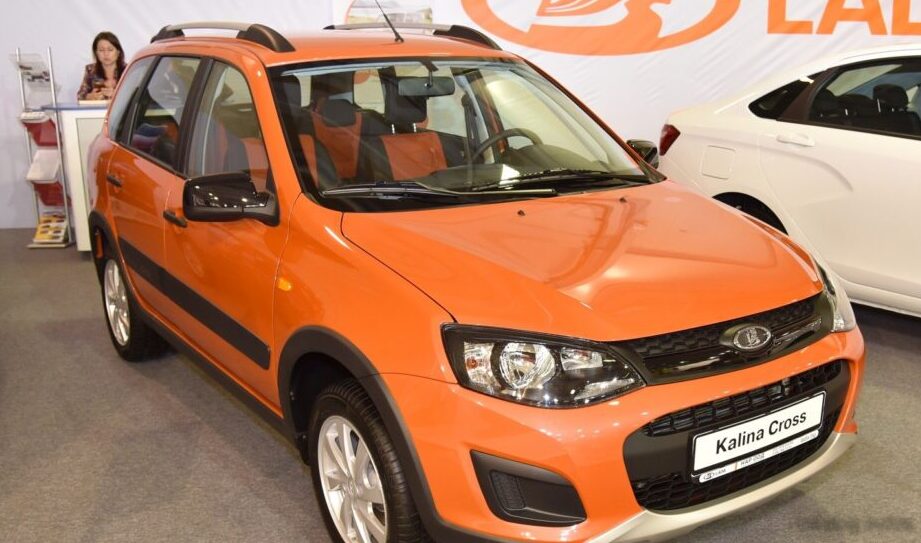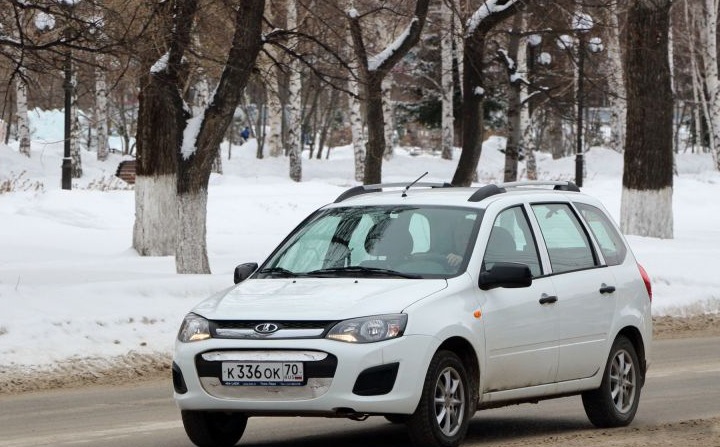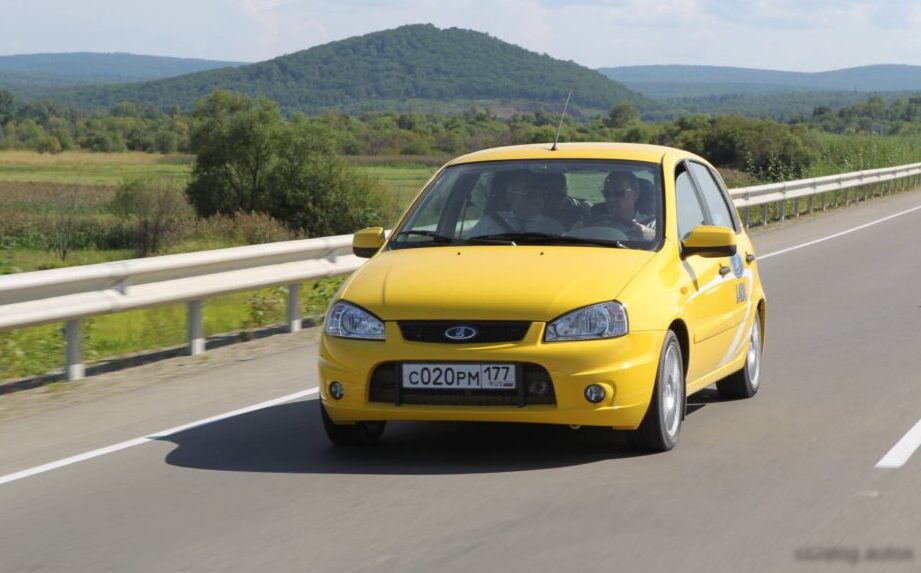
The Lada Kalina II Hatchback, specifically the 2192 variant equipped with the 1.6-liter (98 horsepower) engine and automatic transmission, was a key offering in the Russian automotive market from 2013 to 2018. Positioned as a relatively affordable and practical compact car, it represented Lada’s attempt to modernize its lineup and appeal to a broader customer base. This particular configuration aimed to provide ease of use and accessibility, targeting buyers who prioritized convenience over outright performance. The Kalina II was built on the Lada B/C platform, a significant upgrade from its predecessor, and represented a step forward in terms of build quality and features for the brand.
Technical Specifications
| Brand | Lada |
| Model | Kalina |
| Generation | Kalina II Hatchback (2192) |
| Type (Engine) | 1.6 (98 Hp) Automatic |
| Start of production | 2013 |
| End of production | 2018 |
| Powertrain Architecture | Internal Combustion engine |
| Body type | Hatchback |
| Seats | 5 |
| Doors | 5 |
| Fuel consumption (urban) | 9.9 l/100 km (23.8 US mpg) |
| Fuel consumption (extra urban) | 6.1 l/100 km (38.6 US mpg) |
| Fuel consumption (combined) | 7.6 l/100 km (30.9 US mpg) |
| Fuel Type | Petrol (Gasoline) |
| Acceleration 0 – 100 km/h | 13.1 sec |
| Acceleration 0 – 62 mph | 13.1 sec |
| Acceleration 0 – 60 mph | 12.4 sec |
| Maximum speed | 175 km/h (108.74 mph) |
| Weight-to-power ratio | 11.5 kg/Hp |
| Weight-to-torque ratio | 7.8 kg/Nm |
| Power | 98 Hp @ 5600 rpm |
| Torque | 145 Nm @ 4000 rpm (106.95 lb.-ft. @ 4000 rpm) |
| Engine layout | Front, Transverse |
| Engine displacement | 1596 cm3 (97.39 cu. in.) |
| Number of cylinders | 4 |
| Engine configuration | Inline |
| Number of valves per cylinder | 4 |
| Fuel injection system | Multi-port manifold injection |
| Engine aspiration | Naturally aspirated |
| Engine oil capacity | 4.4 l (4.65 US qt | 3.87 UK qt) |
| Coolant capacity | 7.84 l (8.28 US qt | 6.9 UK qt) |
| Kerb Weight | 1125 kg (2480.2 lbs) |
| Max. weight | 1560 kg (3439.21 lbs) |
| Max load | 435 kg (959.01 lbs) |
| Trunk (boot) space – minimum | 240 l (8.48 cu. ft) |
| Trunk (boot) space – maximum | 550 l (19.42 cu. ft) |
| Fuel tank capacity | 50 l (13.21 US gal | 11 UK gal) |
| Permitted trailer load (braked) | 900 kg (1984.16 lbs) |
| Permitted trailer load (unbraked) | 450 kg (992.08 lbs) |
| Length | 3893 mm (153.27 in) |
| Width | 1700 mm (66.93 in) |
| Height | 1500 mm (59.06 in) |
| Wheelbase | 2476 mm (97.48 in) |
| Front track | 1430 mm (56.3 in) |
| Rear track | 1414 mm (55.67 in) |
| Ride height | 145 mm (5.71 in) |
| Drivetrain | Front wheel drive |
| Number of gears | 4 |
| Gearbox type | Automatic transmission |
| Front suspension | Independent, McPherson with coil spring and anti-roll bar |
| Rear suspension | Semi-independent, coil spring |
| Assisting systems | ABS (Anti-lock braking system) |
| Steering type | Steering rack and pinion |
| Tires size | 175/65 R14; 185/60 R14; 185/55 R15 |
| Wheel rims size | 14; 15 |
Powertrain & Engine Architecture
The heart of this Kalina II variant is the Lada 1.6-liter inline-four cylinder engine, typically identified by engine codes such as VAZ-21126. This engine is a naturally aspirated unit featuring a multi-point fuel injection system. The engine utilizes a single overhead camshaft (SOHC) design with four valves per cylinder, a relatively simple but reliable configuration. The 98 horsepower output is achieved at 5600 rpm, while peak torque of 145 Nm (106.95 lb-ft) arrives at 4000 rpm. Paired with this engine is a four-speed automatic transmission, a somewhat dated unit by modern standards, but offering convenience for drivers. This automatic transmission was sourced from Japan, specifically from JATCO, and was designed for front-wheel-drive applications. It’s a conventional hydraulic automatic, lacking the efficiency of more modern continuously variable transmissions (CVTs).
Driving Characteristics
The 1.6-liter automatic Kalina II delivers modest performance. Acceleration from 0 to 100 km/h (0-62 mph) takes approximately 13.1 seconds, and top speed is limited to 175 km/h (108.74 mph). The four-speed automatic transmission contributes to a noticeable lack of urgency, especially during overtaking maneuvers. Gear ratios are spaced to prioritize fuel economy over spirited driving. Compared to the manual transmission versions of the Kalina II 1.6, the automatic suffers a slight performance penalty. Higher-output versions, such as those with the 1.6-liter 16-valve engine, offered significantly more power and a more engaging driving experience. However, the automatic version provides a smoother, more relaxed driving experience, particularly in urban environments.
Equipment & Trim Levels
The 1.6-liter automatic Kalina II typically came with a base level of equipment, reflecting its position as an entry-level or mid-range trim. Standard features generally included power steering, central locking, front power windows, and an audio system with basic connectivity. Interior upholstery was typically cloth, and the dashboard featured a functional but somewhat basic design. Optional extras included air conditioning, alloy wheels, and upgraded audio systems. Higher trim levels, if available, might have added features like rear power windows, heated front seats, and a more sophisticated audio system.
Chassis & Braking
The Kalina II utilizes a McPherson strut front suspension and a semi-independent coil spring rear suspension. This setup provides a reasonable balance between ride comfort and handling. The front suspension incorporates an anti-roll bar to reduce body roll during cornering. Braking duties are handled by disc brakes on the front wheels and drum brakes on the rear wheels. ABS (Anti-lock Braking System) was standard equipment, enhancing safety. The relatively lightweight construction of the Kalina II (1125 kg / 2480.2 lbs) helps to mitigate the effects of the modest engine power.
Market Reception & Comparison
The Lada Kalina II 1.6 Automatic was generally viewed as a practical and affordable option in the Russian market. Critics acknowledged its improved build quality compared to previous Lada models, but also noted its relatively basic interior and lackluster performance. Fuel economy was considered acceptable, with combined fuel consumption around 7.6 l/100 km (30.9 US mpg). Compared to other trims in the Kalina II lineup, the automatic version offered convenience at the expense of performance and fuel efficiency. Manual transmission versions were favored by drivers seeking a more engaging driving experience and better fuel economy. Competitors in the Russian market included the Renault Logan and Hyundai Solaris, which offered more refined interiors and often better performance, but typically at a higher price point.
Legacy
The Lada Kalina II 1.6 Automatic, while not a performance standout, proved to be a relatively reliable and durable vehicle. The 1.6-liter engine, while simple in design, is known for its robustness and relatively low maintenance costs. The JATCO automatic transmission, while not the most advanced, is generally considered reliable if properly maintained. In the used car market, these Kalina IIs are often sought after by buyers looking for an affordable and practical vehicle for daily commuting. Parts availability is generally good, and repair costs are relatively low, making it a sensible choice for budget-conscious buyers. However, potential buyers should be aware of the car’s age and potential for wear and tear, particularly on suspension components and the automatic transmission.