
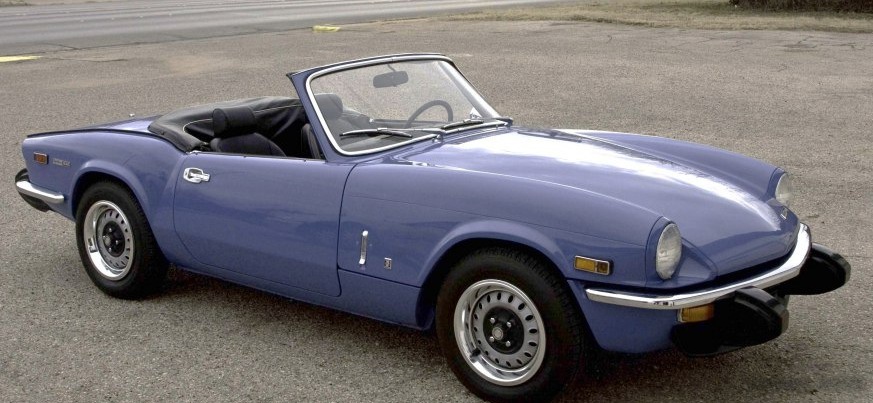
The Triumph Spitfire 1.3 MK IV, produced between 1971 and 1972, represents a pivotal, though short-lived, iteration of the iconic British roadster. Falling within the broader fourth generation of the Spitfire (designated the MK IV), this variant was characterized by its 1.3-liter engine producing 76 horsepower. It served as an entry point into the Spitfire range, offering a more accessible price point and a focus on enjoyable, if not blistering, performance. The MK IV brought significant styling updates over previous models, including a more prominent “hump” behind the seats and a generally more refined appearance. This model aimed to balance the Spitfire’s sporty character with increased comfort and usability, appealing to a wider audience in both domestic and export markets.
Technical Specifications
| Brand | Triumph |
| Model | Spitfire |
| Generation | Spitfire MK IV |
| Type (Engine) | 1.3 MK IV (76 Hp) |
| Start of Production | 1971 |
| End of Production | 1972 |
| Body Type | Cabriolet |
| Fuel Type | Petrol (Gasoline) |
| Engine Displacement | 1296 cc (79.0 cu in) |
| Engine Aspiration | Naturally Aspirated |
| Power Output | 76 hp (57 kW) @ 6000 rpm |
| Torque Output | 82 lb-ft (111 Nm) @ 4000 rpm |
| Transmission | 4-speed manual (primarily), 3-speed automatic (optional) |
| Weight | Approximately 1,847 lbs (838 kg) |
| Top Speed | Approximately 93 mph (150 km/h) |
| 0-60 mph | Approximately 12.5 seconds |
Powertrain & Engine Architecture
The heart of the Spitfire 1.3 MK IV was the Triumph 1296cc inline-four cylinder engine. This engine, derived from the earlier 1300cc unit, featured a cast iron block and cylinder head, with a single overhead camshaft operating the valves. The engine utilized a Zenith-Stromberg carburetor for fuel delivery, a common setup for British sports cars of the era. While relatively simple in design, the engine was known for its willingness to rev and its characteristic exhaust note. The 76 horsepower output was achieved through a compression ratio of 9.0:1 and a carefully tuned exhaust system.
The majority of 1.3 MK IV Spitfires were equipped with a four-speed manual transmission. However, a three-speed automatic transmission, manufactured by Borg-Warner, was offered as an optional extra. This automatic option, while providing increased convenience, came at the cost of performance and was less popular among enthusiasts. The automatic transmission featured a torque converter and a relatively simple planetary gearset. The gear ratios were optimized for comfortable cruising rather than spirited acceleration.
Driving Characteristics
The Spitfire 1.3 MK IV, particularly in manual form, offered a classic British roadster driving experience. The 76 horsepower engine provided adequate, though not overwhelming, power for enjoyable driving on winding roads. The car was relatively lightweight, contributing to a nimble feel and responsive handling. The steering was direct and communicative, providing good feedback to the driver. The suspension, consisting of independent front suspension with double wishbones and a live axle rear suspension with trailing arms, offered a reasonable compromise between comfort and handling.
The automatic transmission version, while easier to drive, noticeably dulled the car’s performance. Acceleration was slower, and the engine often felt strained when attempting to overtake or climb hills. The automatic gearbox also reduced driver engagement, diminishing the overall sporty feel of the Spitfire. Gear ratios in the automatic were spaced to prioritize fuel economy and smooth operation over outright performance.
Equipment & Trim Levels
The Spitfire 1.3 MK IV was positioned as the entry-level model in the Spitfire range. As such, it came equipped with a relatively basic level of standard equipment. Standard features included a fully carpeted interior, bucket seats, a wood-rimmed steering wheel, and a heater. The dashboard featured a simple layout with essential gauges, including a speedometer, tachometer, fuel gauge, and temperature gauge. The convertible top was manually operated and offered reasonable weather protection.
Optional extras included wire wheels, a radio, a tonneau cover (a partial cover for the cockpit), and upgraded interior trim materials. The exterior was typically finished in a range of solid colors, with the option of adding chrome trim for a more luxurious appearance. The interior upholstery was typically vinyl, with the option of leather upgrades.
Chassis & Braking
The Spitfire 1.3 MK IV utilized a separate chassis construction, with a steel ladder frame supporting the body. This design provided a good level of structural rigidity and allowed for relatively easy maintenance. The front suspension featured independent double wishbones with coil springs and telescopic shock absorbers. The rear suspension consisted of a live axle with trailing arms, leaf springs, and telescopic shock absorbers.
The braking system consisted of disc brakes on the front wheels and drum brakes on the rear wheels. The brakes were hydraulically operated and provided adequate stopping power for the car’s weight and performance. The car did not feature power-assisted brakes, requiring a reasonable amount of pedal effort. Stabilizer bars were fitted to both the front and rear suspension to reduce body roll during cornering.
Market Reception & Comparison
The Triumph Spitfire 1.3 MK IV received generally positive reviews from automotive critics. It was praised for its stylish design, nimble handling, and affordable price. However, some critics noted that the 76 horsepower engine was somewhat underpowered, particularly when paired with the optional automatic transmission. Compared to the later Spitfire 1500 models, the 1.3 MK IV offered less power and performance. However, it was also more affordable and arguably more charming in its simplicity. The 1.3 MK IV was often compared to other British roadsters of the era, such as the MG Midget and the Austin-Healey Sprite.
Fuel economy was reasonable for the time, averaging around 30-35 mpg. Reliability was generally good, although the Spitfire, like many British cars of the era, could be prone to occasional electrical and mechanical issues. Maintenance was relatively straightforward, and parts were readily available.
Legacy
The Triumph Spitfire 1.3 MK IV, despite its short production run, remains a popular classic car among enthusiasts. The 1.3-liter engine, while not the most powerful, is relatively simple to maintain and rebuild. The car’s lightweight construction and nimble handling continue to provide an enjoyable driving experience. The automatic transmission versions are less sought after by collectors, but they offer a more accessible entry point into Spitfire ownership. Today, well-maintained examples of the 1.3 MK IV can fetch respectable prices in the used car market, reflecting the enduring appeal of this iconic British roadster. The Spitfire 1.3 MK IV represents a sweet spot in the Spitfire lineage, offering a blend of classic styling, engaging driving dynamics, and relative affordability.
