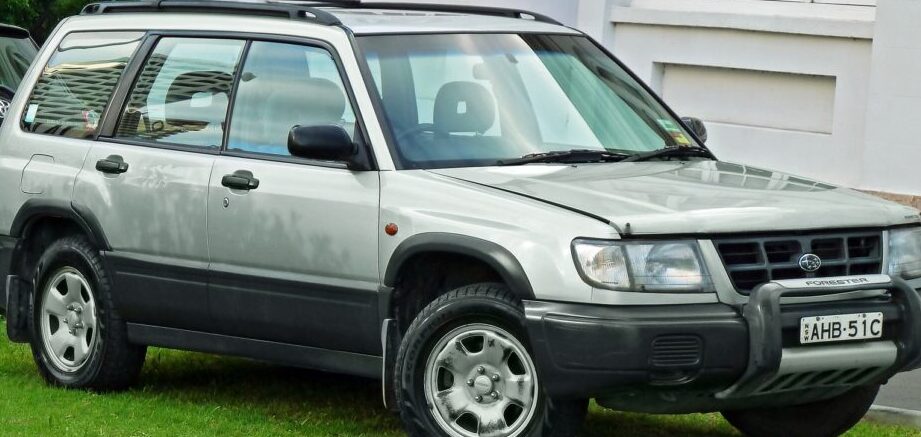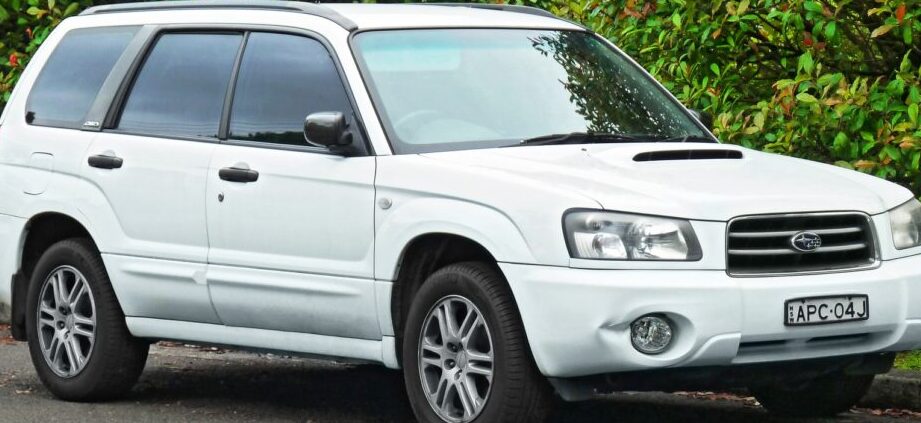
The Subaru Forester II 2.0 XT Automatic, produced between 2002 and 2008, represented a significant step forward for Subaru’s popular compact SUV. Falling within the second generation of the Forester (designated the SG platform), the 2.0 XT trim offered a turbocharged engine and an automatic transmission, positioning itself as the performance-oriented variant within the Forester lineup. It catered to buyers seeking all-wheel-drive capability combined with a more spirited driving experience than the base 2.5L naturally aspirated models. This model was primarily sold in markets like North America, Europe, and Australia, where compact SUVs were gaining considerable traction.
Technical Specifications
| Brand | Subaru |
| Model | Forester |
| Generation | Forester II |
| Type (Engine) | 2.0 XT (177 Hp) Automatic |
| Start of production | 2002 |
| End of production | 2008 |
| Powertrain Architecture | Internal Combustion engine |
| Body type | SUV, Crossover |
| Seats | 5 |
| Doors | 5 |
| Fuel consumption (urban) | 13.7 l/100 km (17.2 US mpg, 20.6 UK mpg, 7.3 km/l) |
| Fuel consumption (extra urban) | 7.6 l/100 km (30.9 US mpg, 37.2 UK mpg, 13.2 km/l) |
| Fuel consumption (combined) | 9.8 l/100 km (24 US mpg, 28.8 UK mpg, 10.2 km/l) |
| Fuel Type | Petrol (Gasoline) |
| Acceleration 0 – 100 km/h | 8.3 sec |
| Acceleration 0 – 62 mph | 8.3 sec |
| Acceleration 0 – 60 mph | 7.9 sec |
| Maximum speed | 195 km/h (121.17 mph) |
| Weight-to-power ratio | 8 kg/Hp, 125.5 Hp/tonne |
| Weight-to-torque ratio | 5.8 kg/Nm, 173.8 Nm/tonne |
| Power | 177 Hp @ 5600 rpm |
| Power per litre | 88.8 Hp/l |
| Torque | 245 Nm @ 3200 rpm (180.7 lb.-ft. @ 3200 rpm) |
| Engine layout | Front, Longitudinal |
| Engine displacement | 1994 cm3 (121.68 cu. in.) |
| Number of cylinders | 4 |
| Engine configuration | Boxer |
| Cylinder Bore | 92 mm (3.62 in.) |
| Piston Stroke | 75 mm (2.95 in.) |
| Compression ratio | 8:1 |
| Number of valves per cylinder | 4 |
| Fuel injection system | Multi-port manifold injection |
| Engine aspiration | Turbocharger, Intercooler |
| Valvetrain | DOHC |
| Engine oil capacity | 4.2 l (4.44 US qt | 3.7 UK qt) |
| Kerb Weight | 1410 kg (3108.52 lbs.) |
| Trunk (boot) space – minimum | 406 l (14.34 cu. ft.) |
| Trunk (boot) space – maximum | 1525 l (53.85 cu. ft.) |
| Fuel tank capacity | 60 l (15.85 US gal | 13.2 UK gal) |
| Length | 4450 mm (175.2 in.) |
| Width | 1735 mm (68.31 in.) |
| Height | 1585 mm (62.4 in.) |
| Wheelbase | 2525 mm (99.41 in.) |
| Front track | 1495 mm (58.86 in.) |
| Rear (Back) track | 1485 mm (58.46 in.) |
| Drive wheel | All wheel drive (4×4) |
| Number of gears and type of gearbox | 4 gears, automatic transmission |
| Front suspension | Spring Strut |
| Rear suspension | Double wishbone |
| Front brakes | Ventilated discs |
| Rear brakes | Disc |
| Assisting systems | ABS (Anti-lock braking system) |
| Steering type | Steering rack and pinion |
| Power steering | Hydraulic Steering |
| Tires size | 215/60 R16 |
Powertrain & Engine Architecture
The heart of the Forester II 2.0 XT was the EJ205 engine, a 2.0-liter (1994 cc) turbocharged boxer-four cylinder. The “boxer” configuration, where pistons oppose each other horizontally, contributes to a lower center of gravity, enhancing stability. This engine utilized a single-scroll turbocharger with an intercooler to increase air density and boost power. Fuel delivery was managed by a multi-point fuel injection system. The engine featured a Double Overhead Camshaft (DOHC) valvetrain with four valves per cylinder, optimizing airflow for improved performance. The 8:1 compression ratio was a compromise between performance and reliability when used with a turbocharger. Paired with the EJ205 was a four-speed automatic transmission, designed to handle the increased torque output. This transmission, while providing convenience, wasn’t known for its sportiness or fuel efficiency compared to the available five-speed manual.
Driving Characteristics
The 2.0 XT Automatic offered a noticeable performance upgrade over the naturally aspirated Forester models. The 177 horsepower and 180.7 lb-ft of torque provided brisk acceleration, achieving 0-60 mph in approximately 7.9 seconds. However, the four-speed automatic transmission did impact the overall driving experience. Gear changes weren’t particularly quick or seamless, and the transmission tended to hunt for gears under hard acceleration. The automatic’s programming prioritized comfort over performance, resulting in a less engaging driving experience compared to the manual transmission variant. The all-wheel-drive system, a hallmark of Subaru, provided excellent traction in various conditions, making the 2.0 XT a capable vehicle for inclement weather and light off-road use.
Equipment & Trim Levels
The 2.0 XT Automatic typically came with a fairly comprehensive list of standard features. These included air conditioning, power windows and locks, a CD player, and alloy wheels. Interior upholstery was generally cloth, although leather options were available. The dashboard layout was functional and straightforward, prioritizing usability over luxury. Optional extras included a sunroof, upgraded audio system, and automatic climate control. The XT trim generally represented a mid-range offering within the Forester II lineup, bridging the gap between the base models and the more luxurious Limited trims.
Chassis & Braking
The Forester II utilized a MacPherson strut front suspension and a double-wishbone rear suspension, providing a comfortable ride and predictable handling. The 2.0 XT models often featured slightly stiffer springs and dampers compared to the base models to better manage the increased power and weight. Braking duties were handled by ventilated discs at the front and solid discs at the rear. Anti-lock Braking System (ABS) was standard, enhancing safety and control during emergency braking. Steering was rack-and-pinion with hydraulic power assistance, providing a responsive and relatively precise feel.
Market Reception & Comparison
The Forester II 2.0 XT Automatic received generally positive reviews from automotive critics. It was praised for its all-wheel-drive capability, spacious interior, and turbocharged engine. However, the four-speed automatic transmission was often criticized for its lack of responsiveness and fuel efficiency. Compared to the naturally aspirated 2.5L models, the 2.0 XT offered significantly more performance but at the cost of slightly lower fuel economy. Against competitors like the Honda CR-V and Toyota RAV4, the Forester 2.0 XT stood out with its standard all-wheel drive and unique boxer engine configuration.
Legacy
The EJ205 engine, while generally reliable, is known to require regular maintenance, particularly regarding oil changes. Turbochargers can be prone to wear and tear over time, and the timing belt requires periodic replacement to prevent catastrophic engine failure. Today, well-maintained Forester II 2.0 XT models are sought after by Subaru enthusiasts who appreciate their unique combination of performance, practicality, and all-wheel-drive capability. The four-speed automatic transmission can detract from the value somewhat, as manual transmission versions are generally more desirable. Despite its age, the Forester II 2.0 XT remains a capable and enjoyable vehicle, offering a glimpse into Subaru’s commitment to performance and all-weather capability.