
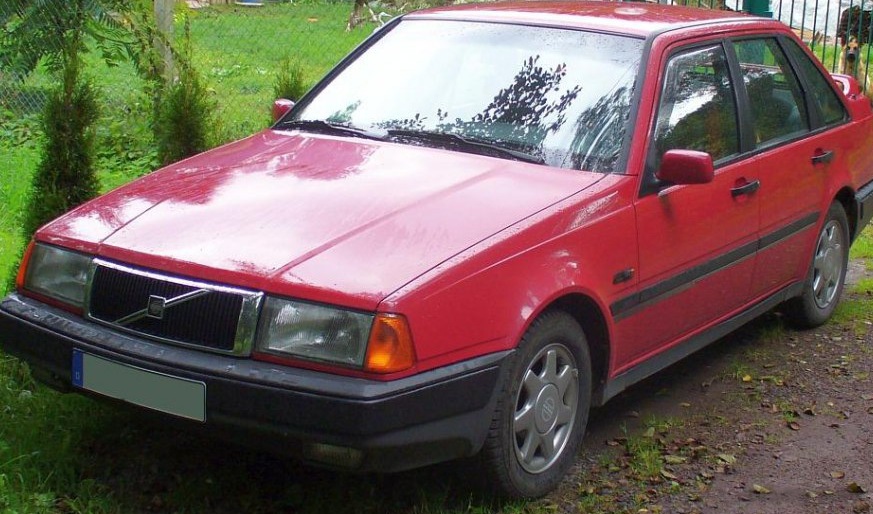
The Volvo 440 K, produced between 1987 and 1993, represented a significant departure for the Swedish automaker. It was Volvo’s first front-wheel-drive vehicle, marking a move away from their traditionally rear-wheel-drive layout. The “K” designation signified the hatchback body style, while the 440 series (and its closely related 445 estate variant) aimed to provide a practical, safe, and relatively affordable offering in the compact family car segment. This article focuses specifically on the 1.7-liter, 106 horsepower version of the 440 K, a mainstay of the range and a common sight in European markets. It occupied a mid-range position within the 440 lineup, offering a balance between performance and economy.
Technical Specifications
| Brand | Volvo |
| Model | 440 K |
| Generation | 440 K (445) |
| Type (Engine) | 1.7 (106 Hp) |
| Start of Production | 1987 |
| End of Production | 1993 |
| Powertrain Architecture | Internal Combustion Engine |
| Body Type | Hatchback |
| Fuel Type | Petrol (Gasoline) |
| Power | 106 Hp |
| Engine Model/Code | B18EP |
| Engine Aspiration | Naturally Aspirated |
| Engine Oil Capacity | 5 l (5.28 US qt | 4.4 UK qt) |
| Coolant Capacity | 7 l (7.4 US qt | 6.16 UK qt) |
Powertrain & Engine Architecture
The heart of the 440 K 1.7 was the B18EP engine, a 1.7-liter inline-four cylinder unit. This engine was a relatively simple design, featuring a cast iron block and an aluminum cylinder head. It employed a single overhead camshaft (SOHC) operating two valves per cylinder. Fuel delivery was handled by Bosch mechanical fuel injection – a system chosen for its reliability and relative simplicity compared to emerging electronic fuel injection systems of the time. While not offering the performance of more sophisticated systems, it provided adequate fuel atomization for the engine’s modest output. The B18EP produced 106 horsepower at 6000 rpm and 103 lb-ft of torque at 3400 rpm. The engine was known for its durability, though it wasn’t particularly refined or powerful by contemporary standards.
The 440 K 1.7 was typically paired with a four-speed automatic transmission, although a five-speed manual was also available. The automatic transmission, while providing ease of use, was not known for its responsiveness or efficiency. It featured a traditional torque converter design and relatively widely spaced gear ratios, prioritizing smooth operation over outright performance. The automatic transmission was a popular choice for buyers prioritizing comfort and convenience, particularly in urban environments.
Driving Characteristics
The 1.7-liter engine and automatic transmission combination in the 440 K delivered a driving experience best described as adequate. Acceleration was leisurely, taking approximately 12-13 seconds to reach 60 mph. The automatic transmission’s gear changes were noticeable, and the engine could feel strained when attempting brisk acceleration or climbing hills. The gear ratios were optimized for fuel economy rather than performance. Compared to the 2.0-liter versions of the 440, the 1.7 felt noticeably slower and less responsive. The manual transmission offered a more engaging driving experience and improved acceleration, but the automatic was favored by many for its ease of use in daily driving. Handling was safe and predictable, but not particularly sporty. The front-wheel-drive layout provided good traction in most conditions, but the suspension was tuned for comfort rather than sharp handling.
Equipment & Trim Levels
The 440 K 1.7 typically came with a fairly basic level of equipment, reflecting its position as a mainstream family car. Standard features included cloth upholstery, a basic stereo system, and manual windows and door locks. Power steering was often included, but air conditioning was typically an optional extra. Trim levels varied depending on the market, but generally, the 1.7-liter model was positioned as a mid-range offering. Higher trim levels added features such as upgraded upholstery, alloy wheels, and more comprehensive stereo systems. Optional extras included a sunroof, central locking, and electric windows. Interior design was functional and understated, typical of Volvo’s design philosophy at the time. The dashboard layout was straightforward and easy to use, with clearly labeled controls.
Chassis & Braking
The 440 K featured an independent front suspension with MacPherson struts and a semi-independent rear suspension with a twist beam. This suspension setup provided a comfortable ride, absorbing bumps and imperfections in the road surface effectively. Braking was initially provided by front disc brakes and rear drum brakes. Later models saw the introduction of rear disc brakes on some trim levels. The braking system was adequate for the car’s weight and performance, but lacked the stopping power of more modern systems. Stabilizer bars were fitted to both the front and rear axles to reduce body roll during cornering. The chassis was designed with safety in mind, incorporating crumple zones to absorb impact energy in the event of a collision.
Market Reception & Comparison
The Volvo 440 K 1.7 was generally well-received by critics as a practical and safe family car. However, it was often criticized for its lack of performance and refinement compared to some of its rivals, such as the Ford Escort and Opel Astra. Fuel economy was reasonable, averaging around 28-32 mpg in mixed driving conditions. The 1.7-liter engine offered better fuel economy than the larger 2.0-liter engines, but at the expense of performance. Reliability was generally good, although the Bosch fuel injection system could occasionally require maintenance. Compared to the 2.0-liter models, the 1.7 was considered a more sensible choice for buyers prioritizing economy and practicality over outright performance. The manual transmission versions were generally preferred by enthusiasts for their more engaging driving experience.
Legacy
The Volvo 440 K, and particularly the 1.7-liter variant, has developed a loyal following among classic car enthusiasts. The B18EP engine is known for its durability and relative simplicity, making it relatively easy to maintain and repair. Parts availability is generally good, although some components can be difficult to find. Today, the 440 K 1.7 represents an affordable entry point into classic Volvo ownership. While not a particularly fast or glamorous car, it offers a unique blend of Swedish practicality, safety, and durability. Well-maintained examples are becoming increasingly collectible, and the 440 K is remembered as a significant milestone in Volvo’s history – the first step towards front-wheel drive and a new era for the brand. The automatic transmission, while not highly sought after, remains a functional and reliable unit when properly maintained.
