
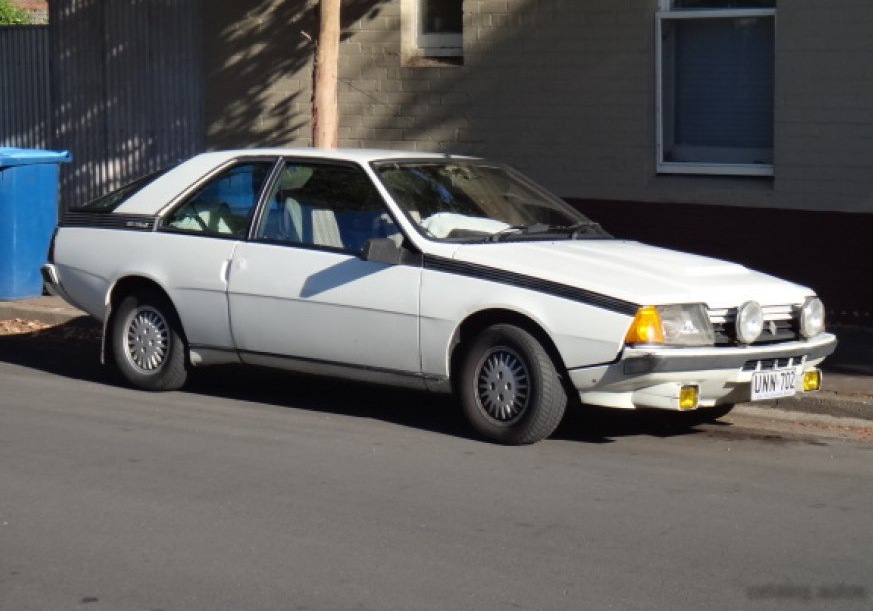
The Renault Fuego, specifically the 1.4 TL/GTL variant producing 64 horsepower, represents the entry point into Renault’s stylish coupe range during the early 1980s. Produced between 1980 and 1985, this version of the Fuego (designated 136) was aimed at buyers seeking affordable, sporty aesthetics and comfortable transportation. It occupied the lower end of the Fuego lineup, positioned below the more powerful 1.6 and 2.0-liter models. The Fuego itself was a significant vehicle for Renault, representing a move towards more modern, design-focused vehicles and offering a coupe alternative in a market dominated by sedans and hatchbacks.
Technical Specifications
| Brand | Renault |
| Model | Fuego |
| Generation | Fuego (136) |
| Type (Engine) | 1.4 TL/GTL (64 Hp) |
| Start of production | 1980 |
| End of production | 1985 |
| Powertrain Architecture | Internal Combustion engine |
| Body type | Coupe |
| Seats | 4 |
| Doors | 3 |
| Fuel Type | Petrol (Gasoline) |
| Power | 64 Hp |
| Engine Model/Code | 847 720 |
| Engine aspiration | Naturally aspirated engine |
| Engine oil capacity | 3.3 l (3.49 US qt | 2.9 UK qt) |
| Coolant capacity | 6 l (6.34 US qt | 5.28 UK qt) |
| Fuel tank capacity | 57 l (15.06 US gal | 12.54 UK gal) |
Powertrain & Engine Architecture
The 1.4 TL/GTL Fuego was powered by the Renault 847 720 engine, a 1397cc inline-four cylinder unit. This engine was a relatively simple design, featuring a single overhead camshaft (SOHC) operating two valves per cylinder. Fuel delivery was managed by a single, down-draft carburetor – a common setup for vehicles of this era and price point. The carburetor, while simple and reliable, wasn’t known for precise fuel metering, impacting both performance and fuel economy compared to later fuel-injected systems. The engine’s modest 64 horsepower output at 5300 rpm and 88 lb-ft of torque at 3000 rpm were sufficient for comfortable cruising, but didn’t provide particularly brisk acceleration. The engine block was cast iron, contributing to its durability, while the cylinder head was aluminum. The transmission paired with this engine was typically a four-speed manual, but a three-speed automatic transmission was also available, though less common. The automatic transmission, while offering convenience, further reduced the car’s performance potential.
Driving Characteristics
The 1.4 TL/GTL Fuego offered a comfortable, rather than sporty, driving experience. The 64 horsepower engine, especially when coupled with the three-speed automatic transmission, resulted in leisurely acceleration. The gear ratios in the automatic were spaced to prioritize fuel economy and smooth operation over outright performance. Overtaking maneuvers required careful planning, and hill climbs often necessitated downshifting. Compared to the 1.6-liter and 2.0-liter Fuego models, the 1.4 felt noticeably slower. The manual transmission version offered a more engaging driving experience, allowing the driver to better utilize the engine’s limited power band. Steering was light and relatively precise, making the Fuego easy to maneuver in urban environments. The suspension, while not particularly sophisticated, provided a reasonably comfortable ride, absorbing most road imperfections without excessive body roll.
Equipment & Trim Levels
The 1.4 TL/GTL trim level represented the base model of the Fuego range. Standard equipment included cloth upholstery, basic instrumentation (speedometer, fuel gauge, temperature gauge), and a simple AM/FM radio. The “TL” designation typically indicated a slightly higher trim level than the “GTL,” often including features like a rear window wiper and upgraded interior trim. Optional extras included a sunroof, upgraded stereo systems, and metallic paint finishes. The interior design was functional and relatively modern for its time, with a focus on ergonomics. The dashboard layout was straightforward, with all essential controls within easy reach of the driver. The seats offered adequate support for short to medium-distance journeys, but lacked the bolstering found in more performance-oriented coupes.
Chassis & Braking
The Renault Fuego was built on a front-wheel-drive platform, utilizing a MacPherson strut suspension at the front and a twist-beam axle at the rear. The suspension setup was tuned for comfort rather than handling precision. The 1.4 TL/GTL models typically featured drum brakes on the rear wheels and disc brakes on the front, providing adequate stopping power for the car’s weight and performance. Stabilizer bars were fitted to both the front and rear axles, helping to reduce body roll during cornering. The steering system was a rack-and-pinion setup, providing relatively light and precise steering feel. The Fuego’s chassis was relatively lightweight, contributing to its fuel efficiency and manageable handling characteristics.
Market Reception & Comparison
The 1.4 TL/GTL Fuego was generally well-received as an affordable and stylish coupe. Critics praised its attractive design and comfortable interior, but often noted its lack of performance. Compared to its siblings, the 1.4 offered the lowest price of entry into the Fuego range, making it appealing to budget-conscious buyers. The 1.6-liter and 2.0-liter models offered significantly more power and performance, but at a higher cost. Fuel economy was a strong point for the 1.4, particularly when compared to the larger-engined versions. Reliability was generally good, although the carburetor could require occasional adjustment and maintenance. The Fuego competed with other European coupes of the era, such as the Opel Manta and Ford Capri, offering a similar blend of style, affordability, and practicality.
Legacy
The Renault Fuego, particularly the 1.4 TL/GTL variant, has become a popular classic car among enthusiasts. While not known for its blistering performance, its attractive design and relative affordability have made it a desirable entry point into classic car ownership. The 847 engine, while simple, is generally considered reliable and relatively easy to maintain. Parts availability can be a challenge, but a dedicated network of Renault enthusiasts and specialist suppliers exists to support owners. Today, well-maintained examples of the 1.4 TL/GTL Fuego are increasingly sought after by collectors and enthusiasts, representing a nostalgic reminder of 1980s automotive design and engineering. The car’s enduring appeal lies in its combination of style, affordability, and a certain understated charm.
