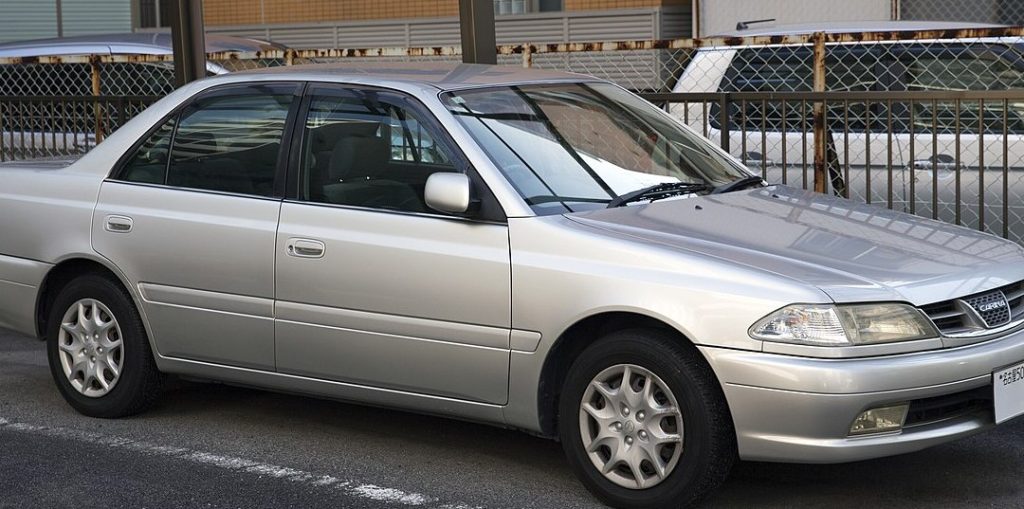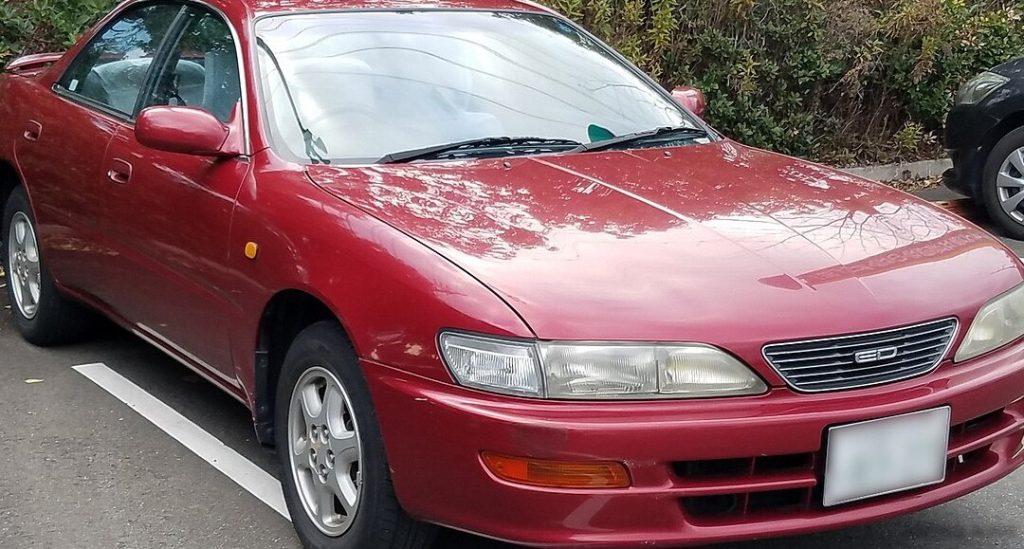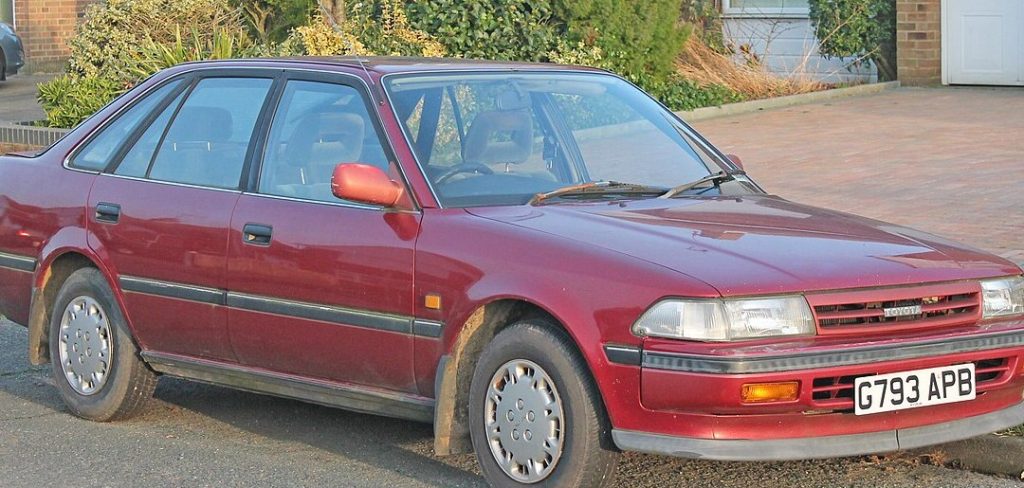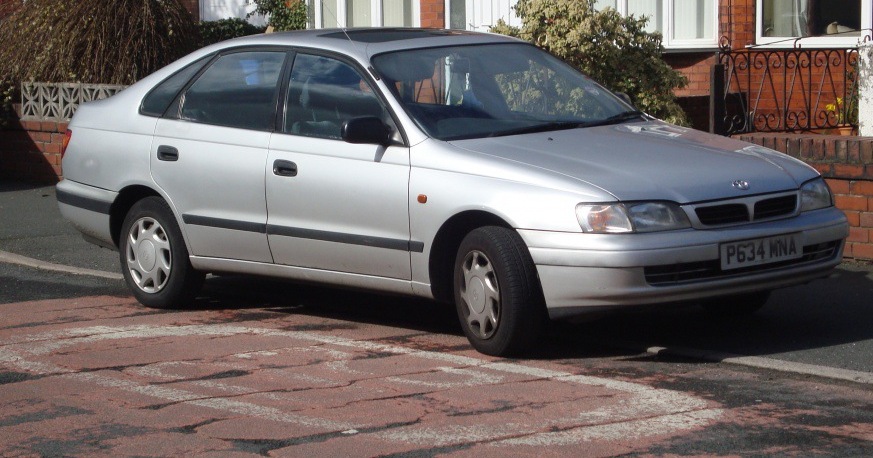
The Toyota Carina E Hatch (T19) 1.6 i 16V, produced between 1997 and 1998, represented a key offering in Toyota’s European lineup during a period of increasing competition in the mid-size family car segment. Positioned as an entry-level to mid-range trim within the broader Carina E range, this variant aimed to provide a balance of affordability, practicality, and Toyota’s reputation for reliability. It was part of the T19 series, a generation known for its modern styling and improved interior space compared to its predecessor. This model primarily targeted European markets, offering a fuel-efficient and reasonably equipped hatchback option for families and individuals.
Technical Specifications
| Brand | Toyota |
| Model | Carina |
| Generation | Carina E Hatch (T19) |
| Type (Engine) | 1.6 i 16V (99 Hp) |
| Start of production | 1997 |
| End of production | 1998 |
| Powertrain Architecture | Internal Combustion engine |
| Body type | Hatchback |
| Seats | 5 |
| Doors | 5 |
| Fuel consumption (combined) | 6.7 l/100 km (35.1 US mpg, 42.2 UK mpg, 14.9 km/l) |
| Fuel Type | Petrol (Gasoline) |
| Acceleration 0 – 100 km/h | 12.3 sec |
| Acceleration 0 – 62 mph | 12.3 sec |
| Acceleration 0 – 60 mph | 11.7 sec |
| Maximum speed | 185 km/h (114.95 mph) |
| Weight-to-power ratio | 12.5 kg/Hp, 80.3 Hp/tonne |
| Weight-to-torque ratio | 9.5 kg/Nm, 105.4 Nm/tonne |
| Power | 99 Hp @ 5800 rpm |
| Power per litre | 62.4 Hp/l |
| Torque | 130 Nm @ 4600 rpm (95.88 lb.-ft. @ 4600 rpm) |
| Engine layout | Front, Transverse |
| Engine Model/Code | 4A-FE |
| Engine displacement | 1587 cm3 (96.84 cu. in.) |
| Number of cylinders | 4 |
| Engine configuration | Inline |
| Cylinder Bore | 81 mm (3.19 in.) |
| Piston Stroke | 77 mm (3.03 in.) |
| Compression ratio | 9.5:1 |
| Number of valves per cylinder | 4 |
| Fuel injection system | Multi-port manifold injection |
| Engine aspiration | Naturally aspirated engine |
| Valvetrain | DOHC |
| Engine oil capacity | 3.3 l (3.49 US qt | 2.9 UK qt) |
| Coolant | 5.4 l (5.71 US qt | 4.75 UK qt) |
| Kerb Weight | 1233 kg (2718.3 lbs.) |
| Max. weight | 1720 kg (3791.95 lbs.) |
| Max load | 487 kg (1073.65 lbs.) |
| Trunk (boot) space – minimum | 470 l (16.6 cu. ft.) |
| Trunk (boot) space – maximum | 810 l (28.6 cu. ft.) |
| Fuel tank capacity | 60 l (15.85 US gal | 13.2 UK gal) |
| Length | 4530 mm (178.35 in.) |
| Width | 1695 mm (66.73 in.) |
| Height | 1410 mm (55.51 in.) |
| Wheelbase | 2580 mm (101.57 in.) |
| Front track | 1465 mm (57.68 in.) |
| Rear (Back) track | 1445 mm (56.89 in.) |
| Drivetrain Architecture | The Internal combustion engine (ICE) drives the front wheels of the vehicle. |
| Drive wheel | Front wheel drive |
| Number of gears and type of gearbox | 5 gears, manual transmission |
| Front suspension | Spring Strut |
| Rear suspension | Coil spring |
| Front brakes | Ventilated discs |
| Rear brakes | Drum |
| Steering type | Steering rack and pinion |
| Power steering | Hydraulic Steering |
| Tires size | 175/70 R14 H |
INTRODUCTION
The Toyota Carina E Hatch 1.6 i 16V, launched in 1997 and continuing through 1998, was a significant model within the Carina E range. The Carina E, representing the fifth generation of the Carina, was designed to appeal to a broader European audience with its more contemporary styling and increased interior space. This 1.6-liter variant served as a more accessible entry point into the Carina E lineup, offering a balance between fuel economy and acceptable performance. It competed directly with other mainstream mid-size hatchbacks like the Ford Escort, Vauxhall/Opel Astra, and Volkswagen Golf.
Powertrain & Engine Architecture
At the heart of the Carina E 1.6 i 16V lies the 4A-FE engine, a 1.6-liter inline-four cylinder gasoline engine. This engine, a staple in Toyota’s lineup during the 1990s, is known for its reliability and relatively simple design. The ‘16V’ designation indicates a dual overhead camshaft (DOHC) valvetrain, featuring four valves per cylinder, which enhances breathing and contributes to the engine’s 99 horsepower output at 5800 rpm and 130 Nm of torque at 4600 rpm. The engine utilizes a multi-port fuel injection system, delivering fuel directly to each intake port for improved combustion efficiency. The 4A-FE engine is naturally aspirated, meaning it doesn’t employ a turbocharger or supercharger. The standard transmission for this variant was a 5-speed manual gearbox, although an optional 4-speed automatic transmission was also available, albeit less common. The automatic transmission, while offering convenience, did impact acceleration and fuel economy.
Driving Characteristics
The 1.6 i 16V Carina E Hatch, particularly when equipped with the 5-speed manual transmission, offered a reasonably engaging driving experience. Acceleration from 0 to 60 mph took around 11.7 seconds, which was adequate for everyday driving but not particularly sporty. The engine felt responsive enough in the mid-range, making it suitable for overtaking maneuvers on typical roads. The automatic transmission version, however, noticeably dulled performance, extending the 0-60 mph time to around 12.3 seconds. Gear ratios in the manual transmission were well-spaced, allowing the engine to operate efficiently at highway speeds. The suspension, tuned for comfort, provided a compliant ride, absorbing bumps and imperfections in the road surface effectively. Steering was light and precise, making the car easy to maneuver in urban environments.
Equipment & Trim Levels
The 1.6 i 16V Carina E Hatch typically came with a respectable level of standard equipment. This included central locking, power steering, electric front windows, and an adjustable steering column. Interior upholstery was typically cloth, with a relatively simple but functional dashboard layout. Optional extras included air conditioning, alloy wheels, and a radio/cassette player. Higher trim levels, though less common with the 1.6 engine, could add features like a sunroof, upgraded audio systems, and more luxurious interior trim. The overall interior design prioritized practicality and durability over outright luxury.
Chassis & Braking
The Carina E Hatch utilized a front-engine, front-wheel-drive layout. The front suspension employed a MacPherson strut setup, while the rear suspension featured a coil spring arrangement. This configuration provided a good balance between ride comfort and handling. Braking duties were handled by ventilated discs on the front wheels and drum brakes on the rear. While adequate for normal driving conditions, the rear drum brakes were a cost-saving measure and didn’t offer the same stopping power as disc brakes on all four wheels. The car’s relatively lightweight construction (around 1233 kg or 2718 lbs) helped to mitigate the limitations of the braking system.
Market Reception & Comparison
The Carina E 1.6 i 16V was generally well-received by automotive critics as a sensible and reliable family car. It was praised for its fuel efficiency (around 35.1 US mpg combined) and comfortable ride. However, it was often criticized for its somewhat uninspiring performance, particularly when compared to more powerful variants like the 2.0-liter models. Compared to the 2.0-liter Carina E, the 1.6 offered significantly less power and acceleration, but it also boasted lower running costs and insurance premiums. The 1.9 TDI diesel version provided even better fuel economy but lacked the refinement of the gasoline engine. The 1.6 i 16V appealed to buyers who prioritized practicality and affordability over outright performance.
Legacy
The Toyota Carina E 1.6 i 16V has proven to be a remarkably durable and reliable vehicle. The 4A-FE engine is known for its longevity, and many examples are still on the road today. In the used car market, these models are often sought after for their affordability and reputation for trouble-free operation. Maintenance costs are generally low, and parts availability remains good. While not a particularly exciting or collectible car, the Carina E 1.6 i 16V represents a solid and dependable choice for those seeking a practical and economical family hatchback.