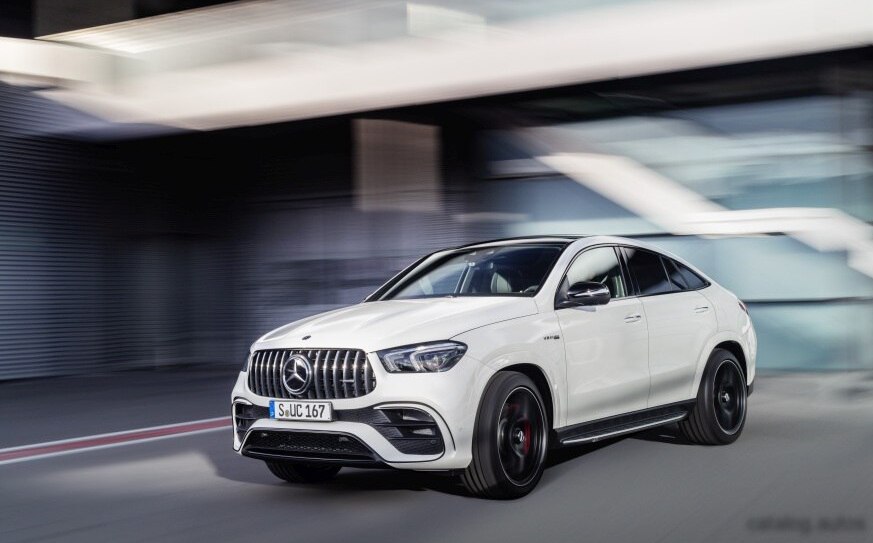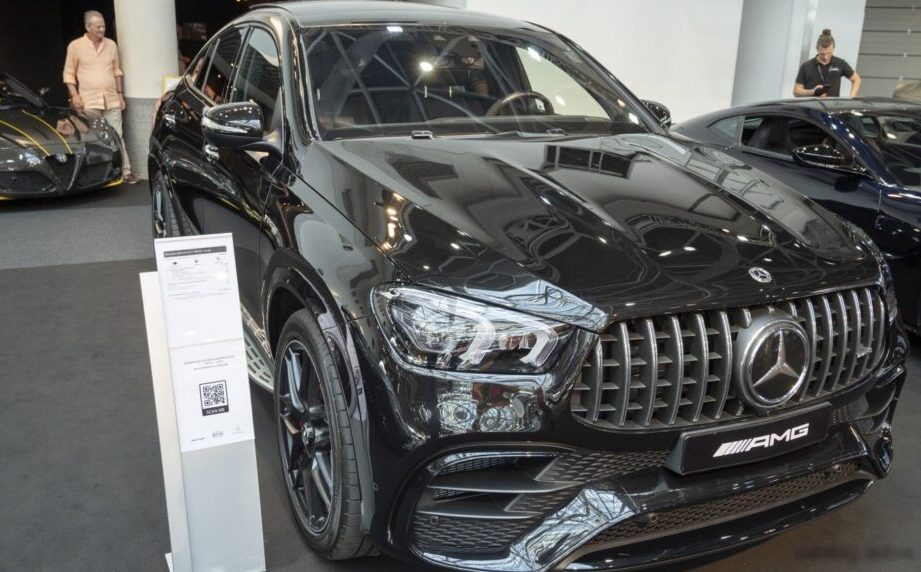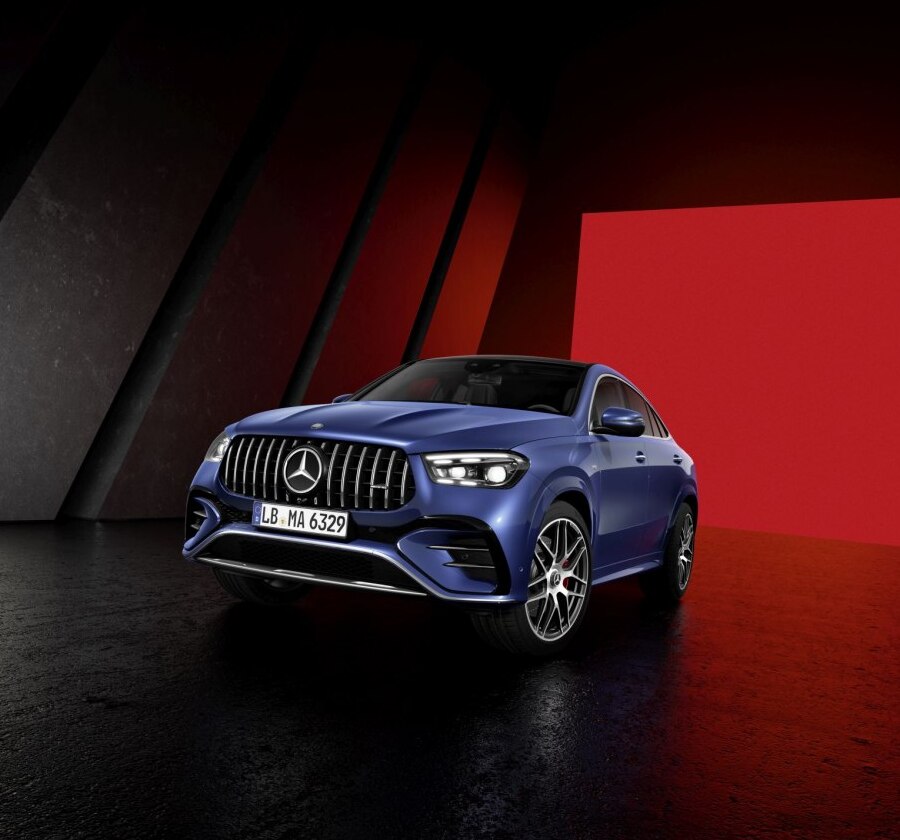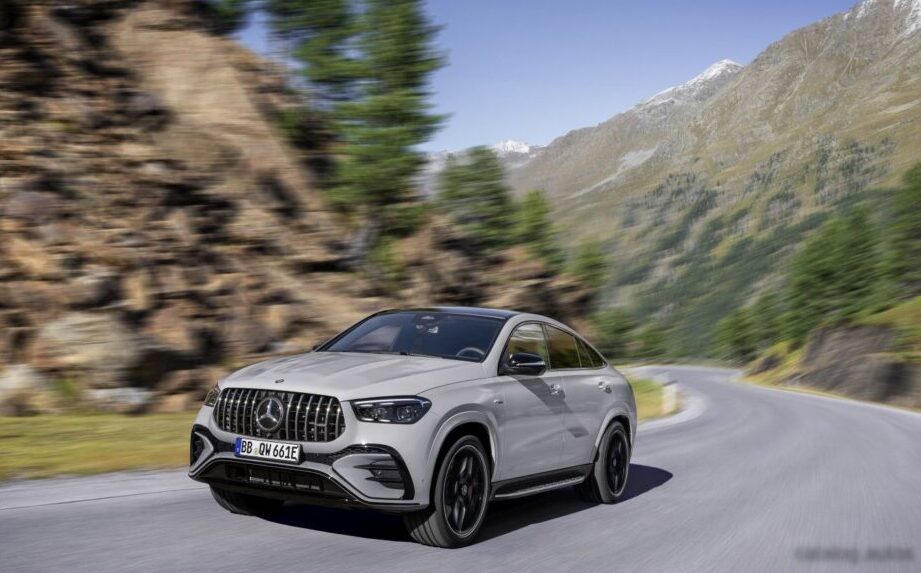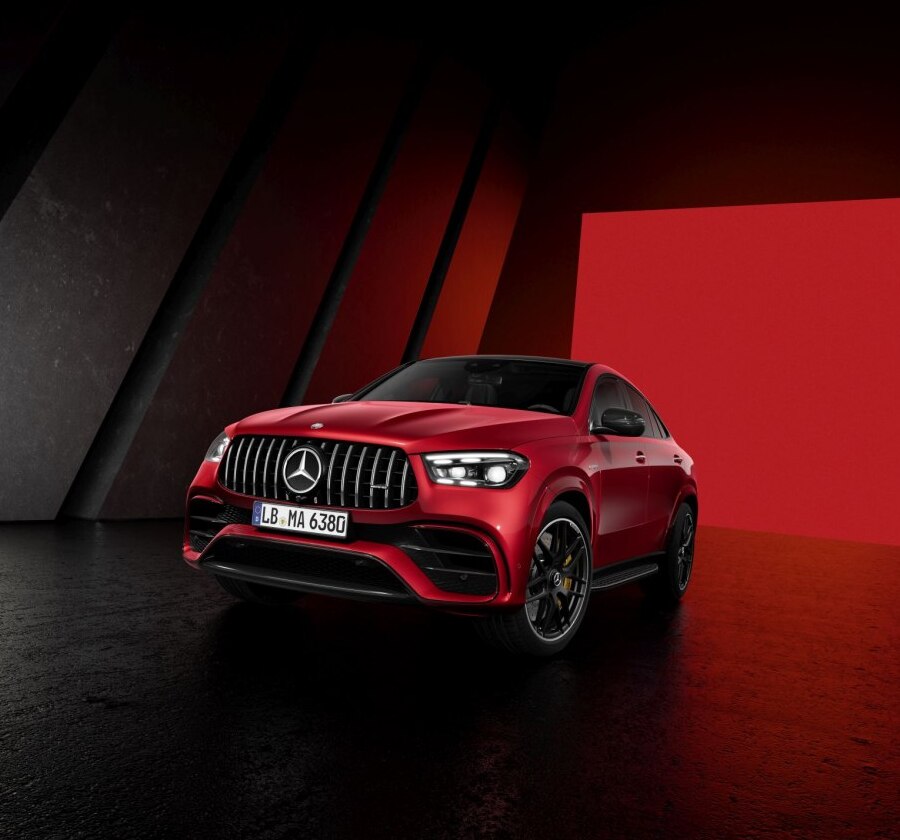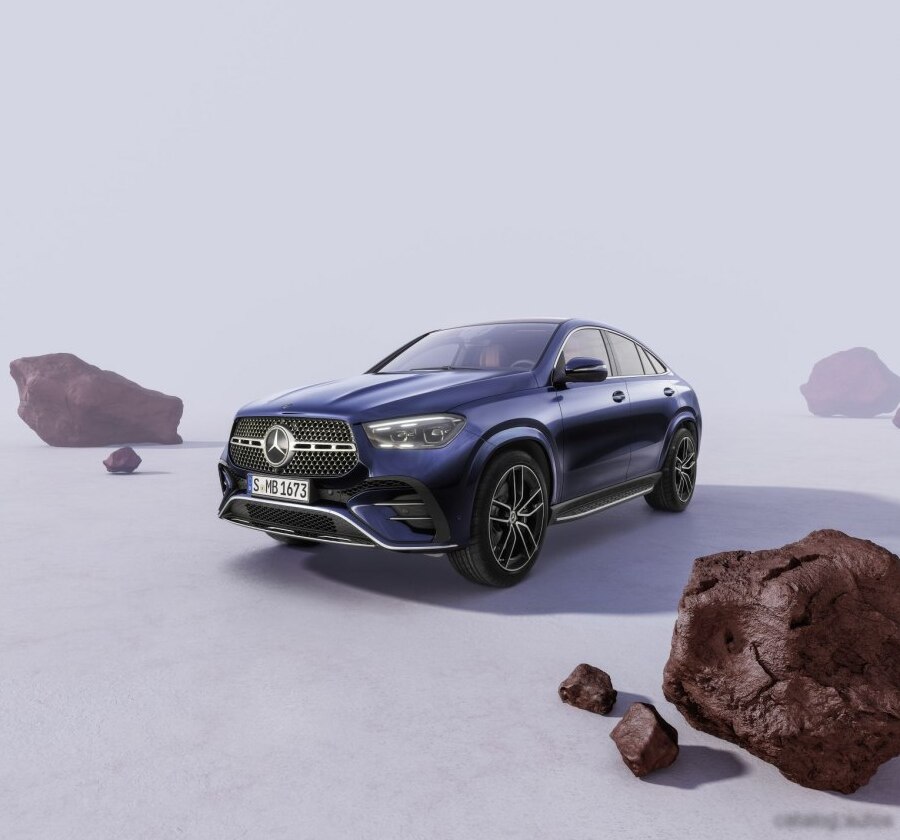
The Mercedes-Benz GLE 400e (later rebranded as the GLE 350e and then GLE 350de) is a plug-in hybrid variant of the C167 GLE Coupe, introduced with the facelift in 2023. Representing Mercedes-Benz’s commitment to electrification within its luxury SUV lineup, the 400e combines a 2.0-liter turbocharged inline-four gasoline engine with an electric motor, delivering a combined system output of 381 horsepower. Positioned as a mid-range offering within the GLE Coupe family, it caters to buyers seeking a balance between performance, efficiency, and reduced emissions. Production began in 2023, building upon the foundation of the C167 platform which debuted in 2019.
Technical Specifications
| Brand | Mercedes-Benz |
| Model | GLE |
| Generation | GLE Coupe (C167, facelift 2023) |
| Type (Engine) | GLE 400e (381 Hp) Plug-in Hybrid 4MATIC 9G-TRONIC |
| Start of production | 2023 |
| Powertrain Architecture | PHEV (Plug-in Hybrid Electric Vehicle) |
| Body type | Coupe, SUV |
| Seats | 5 |
| Doors | 5 |
| Combined fuel consumption (WLTP) | 0.8-1 l/100 km (294 – 235.2 US mpg, 353.1 – 282.5 UK mpg, 125 – 100 km/l) |
| CO2 emissions (WLTP) | 18-23 g/km |
| Fuel Type | Petrol / electricity |
| Acceleration 0 – 100 km/h | 6.1 sec |
| Acceleration 0 – 62 mph | 6.1 sec |
| Acceleration 0 – 60 mph | 5.8 sec |
| Maximum speed | 210 km/h (130.49 mph) |
| Emission standard | Euro 6d-ISC-FCM |
| Weight-to-power ratio | 6.8 kg/Hp, 146.8 Hp/tonne |
| Weight-to-torque ratio | 4.3 kg/Nm, 231.2 Nm/tonne |
| Gross battery capacity | 31.2 kWh |
| Net (usable) battery capacity | 23.3 kWh |
| Battery technology | Lithium-ion (Li-Ion) |
| Battery location | Under the trunk |
| All-electric range (WLTP) | 98-107 km (60.89 – 66.49 mi) |
| Average Energy consumption (WLTP) | 24.2-26.2 kWh/100 km (38.95 – 42.16 kWh/100 mi, 87 – 80 MPGe, 4.1 – 3.8 km/kWh, 2.6 – 2.4 mi/kWh) |
| Electric motor power | 136 Hp |
| Electric motor Torque | 440 Nm (324.53 lb.-ft.) |
| Electric motor location | Between the combustion engine and the transmission |
| Electric motor type | Synchronous |
| System power | 381 Hp |
| System torque | 600 Nm (442.54 lb.-ft.) |
| Power | 252 Hp @ 5800 rpm (126.1 Hp/l) |
| Torque | 400 Nm @ 2000-3200 rpm (295.02 lb.-ft. @ 2000-3200 rpm) |
| Engine layout | Front, Longitudinal |
| Engine Model/Code | M 254 |
| Engine displacement | 1999 cm3 (121.99 cu. in.) |
| Number of cylinders | 4 |
| Engine configuration | Inline |
| Compression ratio | 10:1 |
| Number of valves per cylinder | 4 |
| Fuel injection system | Direct injection |
| Engine aspiration | Twin-scroll turbo, Intercooler |
| Valvetrain | DOHC, CAMTRONIC |
| Engine oil capacity | 6 l (6.34 US qt | 5.28 UK qt) |
| Kerb Weight | 2595 kg (5721 lbs.) |
| Max. weight | 3180 kg (7010.7 lbs.) |
| Max load | 585 kg (1289.7 lbs.) |
| Trunk (boot) space – minimum | 510 l (18.01 cu. ft.) |
| Trunk (boot) space – maximum | 1645 l (58.09 cu. ft.) |
| Fuel tank capacity | 65 l (17.17 US gal | 14.3 UK gal) |
| Max. roof load | 75 kg (165.35 lbs.) |
| Permitted trailer load with brakes (12%) | 2445 kg (5390.3 lbs.) |
| Permitted trailer load without brakes | 750 kg (1653.47 lbs.) |
| Permitted towbar download | 108 kg (238.1 lbs.) |
| Length | 4941 mm (194.53 in.) |
| Width | 2018 mm (79.45 in.) |
| Width including mirrors | 2157 mm (84.92 in.) |
| Height | 1716 mm (67.56 in.) |
| Wheelbase | 2935 mm (115.55 in.) |
| Front track | 1680 mm (66.14 in.) |
| Rear (Back) track | 1728 mm (68.03 in.) |
| Front overhang | 925 mm (36.42 in.) |
| Rear overhang | 1081 mm (42.56 in.) |
| Minimum turning circle (turning diameter) | 11.87 m (38.94 ft.) |
| Drivetrain Architecture | The Internal combustion engine (ICE) and the electric motor permanently drive the four wheels of the car with the ability to work in full electric or mixed mode. |
| Drive wheel | All wheel drive (4×4) |
| Number of gears and type of gearbox | 9 gears, automatic transmission G-TRONIC |
| Front suspension | Double wishbone, Transverse stabilizer, Air Suspension – Optional |
| Rear suspension | Independent multi-link suspension, Transverse stabilizer, Air Suspension – Optional |
| Front brakes | Ventilated discs |
| Rear brakes | Ventilated discs |
Powertrain & Engine Architecture
At the heart of the GLE 400e lies the M 254 2.0-liter inline-four cylinder engine. This engine utilizes direct fuel injection and a twin-scroll turbocharger to produce 252 horsepower and 295 lb-ft of torque. The engine is paired with a 136 horsepower electric motor integrated between the engine and the 9G-TRONIC nine-speed automatic transmission. This configuration allows for both electric-only driving and a combined output of 381 horsepower and 442 lb-ft of torque. The 31.2 kWh (gross) / 23.3 kWh (net) lithium-ion battery pack is located under the trunk floor, providing a WLTP-rated all-electric range of 60.89 to 66.49 miles. The battery supports AC charging for convenient home or public charging. The 9G-TRONIC transmission is specifically calibrated to work seamlessly with the electric motor, optimizing efficiency and providing smooth gear changes.
Driving Characteristics
The GLE 400e offers a distinct driving experience compared to its gasoline-only counterparts. In electric mode, the vehicle provides near-silent acceleration and instant torque, making it ideal for city driving. When the gasoline engine engages, the transition is generally smooth and unobtrusive. The combined power output delivers brisk acceleration, with a 0-60 mph time of around 5.8 seconds. The 9G-TRONIC transmission’s gear ratios are tuned for both efficiency and performance, providing adequate power delivery across a wide range of speeds. While the battery pack adds weight, the overall handling remains composed, especially with the optional air suspension. Compared to the GLE 450, the 400e prioritizes efficiency and lower emissions over outright performance, while offering a similar level of luxury and refinement.
Equipment & Trim Levels
The GLE 400e typically comes well-equipped with standard features such as Mercedes-Benz User Experience (MBUX) infotainment system, leather upholstery, heated front seats, and a panoramic sunroof. Safety features include automatic emergency braking, lane keeping assist, and adaptive cruise control. Optional extras include premium audio systems, advanced driver-assistance systems, and various interior trim options. The trim level generally aligns with other GLE Coupe models, offering opportunities for customization with packages like the AMG Line, which adds sporty styling cues and performance enhancements.
Chassis & Braking
The GLE 400e utilizes a double-wishbone front suspension and an independent multi-link rear suspension. Air suspension is available as an option, providing adjustable ride height and improved comfort. Ventilated disc brakes are standard on all four wheels, providing ample stopping power. The electronic stability program (ESP) and anti-lock braking system (ABS) work in conjunction to enhance safety and control. Due to the added weight of the battery pack, the suspension may be slightly stiffer compared to lighter GLE models, but the air suspension option effectively mitigates this.
Market Reception & Comparison
The GLE 400e was generally well-received by automotive critics, who praised its fuel efficiency, smooth ride, and luxurious interior. However, some reviewers noted the reduced trunk space due to the battery pack. Compared to the GLE 350, the 400e offers significantly better fuel economy and lower emissions, but at a higher initial cost. Against competitors like the BMW X5 xDrive45e and Volvo XC90 Recharge, the GLE 400e holds its own in terms of performance, luxury, and technology.
Legacy
The Mercedes-Benz GLE 400e represents an important step in Mercedes-Benz’s electrification strategy. The powertrain, while superseded by newer plug-in hybrid systems, has proven to be relatively reliable in real-world use. On the used car market, the GLE 400e offers a compelling value proposition for buyers seeking a luxurious and efficient SUV with a reduced environmental impact. The longevity of the battery pack remains a key consideration for potential buyers, but Mercedes-Benz offers warranties and service programs to address this concern. The model paved the way for further development of plug-in hybrid technology within the Mercedes-Benz lineup.