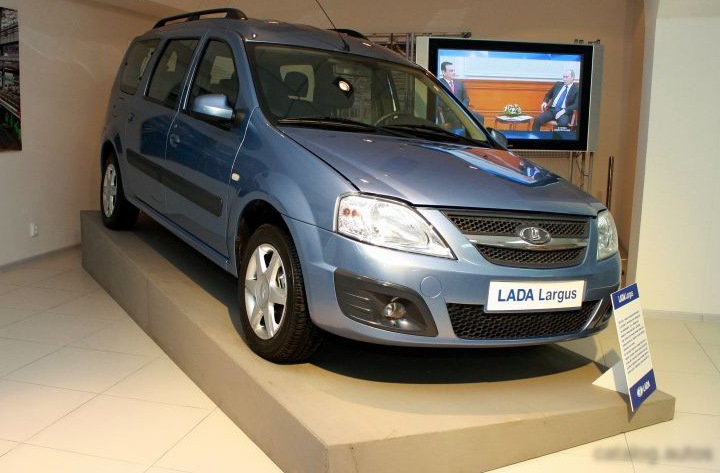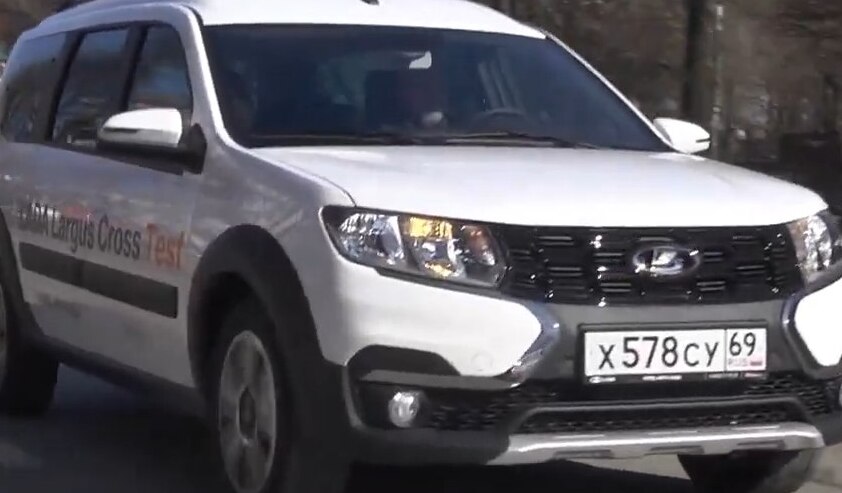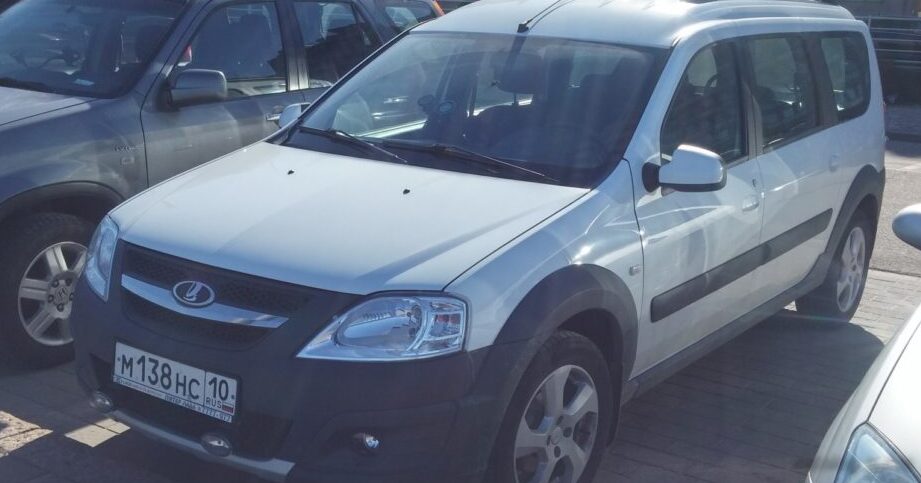
The Lada Largus Cross 1.6 (105 hp) is a five-door, seven-seat multi-purpose vehicle (MPV) produced by the Russian automaker Lada from 2014 to 2021. Positioned as a more rugged and versatile variant of the standard Lada Largus, the Cross model featured increased ground clearance and protective body cladding, appealing to buyers seeking a practical vehicle capable of handling less-than-ideal road conditions. This particular 1.6-liter, 105 horsepower configuration represented an entry-level offering within the Largus Cross lineup, prioritizing affordability and fuel efficiency over outright performance. It was primarily marketed towards families and those needing a spacious and utilitarian vehicle.
Technical Specifications
| Brand | Lada |
| Model | Largus |
| Generation | Largus Cross |
| Type (Engine) | 1.6 (105 Hp) |
| Start of production | 2014 |
| End of production | 2021 |
| Powertrain Architecture | Internal Combustion engine |
| Body type | MPV |
| Seats | 5 |
| Doors | 5 |
| Fuel consumption (urban) | 11.5 l/100 km (20.5 US mpg) |
| Fuel consumption (extra urban) | 7.5 l/100 km (31.4 US mpg) |
| Fuel consumption (combined) | 9 l/100 km (26.1 US mpg) |
| Fuel Type | Petrol (Gasoline) |
| Acceleration 0 – 100 km/h | 13.1 sec |
| Acceleration 0 – 62 mph | 13.1 sec |
| Acceleration 0 – 60 mph | 12.4 sec |
| Maximum speed | 165 km/h (102.53 mph) |
| Weight-to-power ratio | 12 kg/Hp |
| Weight-to-torque ratio | 8.5 kg/Nm |
| Power | 105 Hp @ 5750 rpm |
| Torque | 148 Nm @ 3750 rpm (109.16 lb.-ft. @ 3750 rpm) |
| Engine layout | Front, Transverse |
| Engine displacement | 1598 cm3 (97.52 cu. in.) |
| Number of cylinders | 4 |
| Engine configuration | Inline |
| Number of valves per cylinder | 4 |
| Fuel injection system | Multi-port manifold injection |
| Engine aspiration | Naturally aspirated engine |
| Kerb Weight | 1260 kg (2777.82 lbs.) |
| Max. weight | 1705 kg (3758.88 lbs.) |
| Max load | 445 kg (981.06 lbs.) |
| Trunk (boot) space – minimum | 560 l (19.78 cu. ft.) |
| Trunk (boot) space – maximum | 2350 l (82.99 cu. ft.) |
| Fuel tank capacity | 50 l (13.21 US gal) |
| Permitted trailer load with brakes (12%) | 1300 kg (2866.01 lbs.) |
| Permitted trailer load without brakes | 650 kg (1433 lbs.) |
| Length | 4470 mm (175.98 in.) |
| Width | 1756 mm (69.13 in.) |
| Height | 1682 mm (66.22 in.) |
| Wheelbase | 2905 mm (114.37 in.) |
| Front track | 1461 mm (57.52 in.) |
| Rear (Back) track | 1466 mm (57.72 in.) |
| Ride height (ground clearance) | 170 mm (6.69 in.) |
| Drivetrain Architecture | Front wheel drive |
| Number of gears and type of gearbox | 5 gears, manual transmission |
| Front suspension | Independent, type McPherson with coil spring and anti-roll bar |
| Rear suspension | Semi-independent, coil spring |
| Assisting systems | ABS (Anti-lock braking system) |
| Steering type | Steering rack and pinion |
| Tires size | 205/55 R16 |
| Wheel rims size | 16 |
Powertrain & Engine Architecture
The Lada Largus Cross 1.6 utilizes the VK7 engine, a 1.6-liter inline-four cylinder gasoline engine. This engine, derived from Renault designs following Renault’s acquisition of a controlling stake in Lada, is a relatively simple and robust unit. It features a multi-point fuel injection system and a single overhead camshaft (SOHC) valvetrain with four valves per cylinder. The engine produces 105 horsepower at 5750 rpm and 148 Nm (109 lb-ft) of torque at 3750 rpm. The engine is transversely mounted at the front of the vehicle. The five-speed manual transmission was the sole gearbox option for this variant, chosen for its cost-effectiveness and reliability. The transmission’s gear ratios are geared towards fuel economy and everyday usability rather than sporty performance.
Driving Characteristics
The 1.6-liter engine and five-speed manual transmission combination in the Largus Cross delivers adequate, but not exhilarating, performance. Acceleration from 0 to 60 mph takes approximately 12.4 seconds, and the top speed is around 102.5 mph. The engine feels somewhat strained when fully loaded or climbing hills, requiring frequent downshifts to maintain speed. The manual transmission is relatively smooth, but the shift linkage isn’t particularly precise. The increased ride height of the Cross model, combined with the relatively soft suspension setup, provides a comfortable ride on uneven surfaces, but also results in noticeable body roll during cornering. The front-wheel-drive configuration provides predictable handling in most conditions, but traction can be limited on slippery surfaces.
Equipment & Trim Levels
The Largus Cross 1.6 typically came equipped with basic, yet functional, features. Standard equipment included power steering, central locking, front power windows, and an audio system with USB connectivity. Safety features included ABS and front airbags. The interior was typically finished with durable, easy-to-clean cloth upholstery. Optional extras included air conditioning, rear power windows, and a more advanced audio system. The Cross trim level added plastic body cladding around the lower body and wheel arches, as well as roof rails, giving it a more rugged appearance. The dashboard layout was straightforward and utilitarian, prioritizing functionality over aesthetics.
Chassis & Braking
The Largus Cross utilizes a McPherson strut front suspension and a semi-independent coil spring rear suspension. This setup provides a reasonable balance between ride comfort and handling. The front suspension incorporates an anti-roll bar to reduce body roll. The braking system consists of disc brakes on the front wheels and drum brakes on the rear wheels. ABS (Anti-lock Braking System) is standard, enhancing braking performance and stability. The steering is rack and pinion, providing adequate steering feel and responsiveness.
Market Reception & Comparison
The Lada Largus Cross 1.6 was generally well-received in the Russian market as an affordable and practical MPV. Critics praised its spacious interior, versatility, and relatively low running costs. However, the 1.6-liter engine was often criticized for its lack of power, particularly when the vehicle was fully loaded. Compared to higher-trim Largus models with more powerful engines, the 1.6-liter version offered significantly less performance but at a lower price point. Fuel economy was a strong point, averaging around 26.1 US mpg in combined driving. Reliability was generally good, although the quality of some interior materials was considered to be below par.
Legacy
The Lada Largus Cross 1.6 remains a popular choice in the used car market in Russia and neighboring countries. Its affordability, practicality, and relatively simple mechanical design make it an attractive option for budget-conscious buyers. The VK7 engine is known for its durability, and parts availability is generally good. While not a performance vehicle, the Largus Cross 1.6 provides a reliable and spacious transportation solution for families and those needing a versatile MPV. Its continued presence on the road is a testament to its robust construction and enduring appeal.