
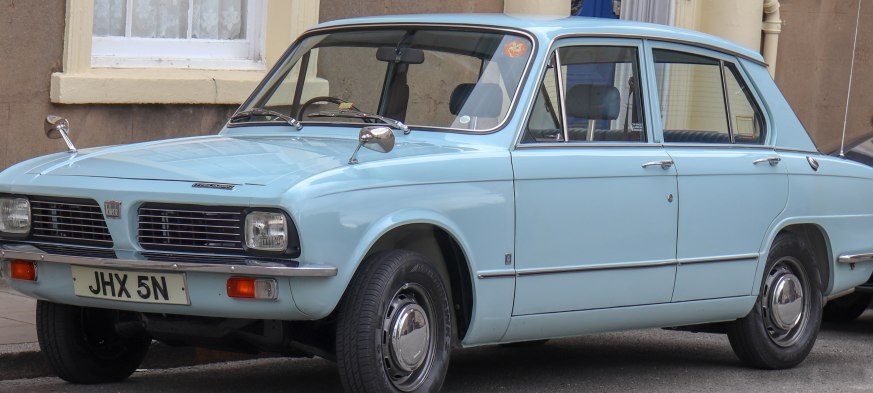
The Triumph Toledo 1500 TC represents a significant, though often overlooked, chapter in the history of British Leyland. Produced between 1971 and 1977, the Toledo was intended as a smaller, more affordable offering from Triumph, positioned below the larger TR series and the more luxurious Dolomite. The “TC” designation specifically denotes the 1500cc engine with a twin-carburetor setup, producing 69 horsepower. This variant occupied the entry-level position within the Toledo range, offering a balance of practicality and British motoring charm. It was a direct response to market demands for a compact, fuel-efficient saloon car, competing with vehicles like the Ford Cortina and Vauxhall Victor.
Technical Specifications
| Brand | Triumph |
| Model | Toledo |
| Generation | Toledo |
| Type (Engine) | 1500 TC (69 Hp) |
| Start of Production | 1971 |
| End of Production | 1977 |
| Powertrain Architecture | Internal Combustion Engine |
| Body Type | Sedan |
| Fuel Type | Petrol (Gasoline) |
| Power | 69 Hp |
| Engine Aspiration | Naturally Aspirated |
Powertrain & Engine Architecture
The heart of the Toledo 1500 TC is its 1493cc inline-four cylinder engine. This engine, internally designated as the Triumph 1500, was a relatively simple design, featuring a cast iron block and cylinder head. The “TC” variant is distinguished by its twin Zenith-Stromberg 175CD carburetors, which were intended to improve throttle response and overall power output compared to the single-carburetor versions found in earlier Toledo models. The engine utilizes a single overhead camshaft (SOHC) operating a two-valve per cylinder configuration. The compression ratio was typically around 8.5:1. Lubrication is achieved through a conventional wet sump system. The engine is mated to either a four-speed manual gearbox or, as is the focus of this article, a three-speed automatic transmission – a Borg-Warner Type 35 unit. This automatic transmission, while providing ease of use, was known for its relatively conservative gearing and somewhat sluggish shifts. The engine’s ignition system is a conventional distributor-based setup.
Driving Characteristics
The Toledo 1500 TC Automatic offered a comfortable, if not particularly exhilarating, driving experience. With 69 horsepower on tap, acceleration was modest, taking approximately 16-18 seconds to reach 60 mph. The three-speed automatic transmission contributed to this leisurely pace, with relatively wide gear ratios. The automatic transmission prioritized smooth cruising over outright performance. In typical driving conditions, the engine felt most comfortable in the mid-range, providing adequate power for overtaking maneuvers on open roads. However, attempting rapid acceleration or climbing steep hills often required the transmission to downshift, resulting in noticeable engine strain. Compared to the manual transmission versions, the automatic Toledo felt noticeably slower and less engaging. The suspension, consisting of independent front suspension with coil springs and a live axle rear suspension with leaf springs, provided a reasonably comfortable ride, although it could feel somewhat bouncy on uneven surfaces. Steering was by a cam and peg system, offering reasonable precision but lacking the feedback of more modern steering technologies.
Equipment & Trim Levels
The Toledo 1500 TC Automatic was positioned as a relatively well-equipped car for its price point, though it wasn’t lavishly appointed. Standard features included cloth upholstery, a wood-rimmed steering wheel, and a heater. The dashboard layout was functional and straightforward, with clearly marked gauges for speed, fuel level, coolant temperature, and oil pressure. Optional extras included a radio, reclining front seats, and a vinyl roof. The interior trim was generally durable, though the materials used were not particularly luxurious. The exterior styling was characterized by clean lines and a relatively understated appearance. Chrome trim was used sparingly, primarily on the bumpers and window surrounds. The car was available in a range of solid and metallic paint colors.
Chassis & Braking
The Toledo 1500 TC utilized a body-on-frame construction, which was becoming increasingly uncommon in the early 1970s. This construction method contributed to the car’s relatively robust build quality but also added to its weight. The front suspension featured independent wishbones and coil springs, while the rear suspension employed a live axle with leaf springs. Braking was provided by Dunlop disc brakes on the front wheels and drum brakes on the rear wheels. The braking system was adequate for normal driving conditions, but it lacked the stopping power of more modern braking systems. Steering was a cam and peg type, offering reasonable accuracy but lacking the feel of rack and pinion steering. The car’s wheelbase was 92 inches, and its overall length was approximately 168 inches.
Market Reception & Comparison
The Triumph Toledo 1500 TC Automatic received mixed reviews from automotive critics. While praised for its comfortable ride and relatively affordable price, it was often criticized for its lack of performance and the somewhat dated design of the automatic transmission. Compared to its rivals, such as the Ford Cortina and Vauxhall Victor, the Toledo offered a more refined driving experience but lacked the outright performance and practicality of those models. Fuel economy was reasonable for the time, averaging around 25-30 mpg. Reliability was generally good, although the car was prone to rust, particularly in areas exposed to salt and moisture. The automatic transmission, while convenient, was considered less reliable than the manual gearbox. Owners often reported issues with the transmission’s torque converter and valve body.
Legacy
Today, the Triumph Toledo 1500 TC Automatic is a relatively rare and sought-after classic car. While not as iconic as some of Triumph’s other models, it represents a charming and affordable entry point into the world of British motoring. The 1500 TC Automatic is appreciated by enthusiasts for its simple design, comfortable ride, and nostalgic appeal. Parts availability can be a challenge, but a dedicated network of Triumph specialists and suppliers exists to support owners. Well-maintained examples command reasonable prices in the used car market, reflecting their growing popularity among collectors. The Borg-Warner automatic transmission, while not known for its performance, is generally considered durable if properly maintained. The engine, with its twin carburetors, is relatively easy to maintain and repair. The Toledo 1500 TC Automatic serves as a reminder of a bygone era of British automotive engineering, offering a unique and enjoyable driving experience for those willing to embrace its quirks and limitations.
