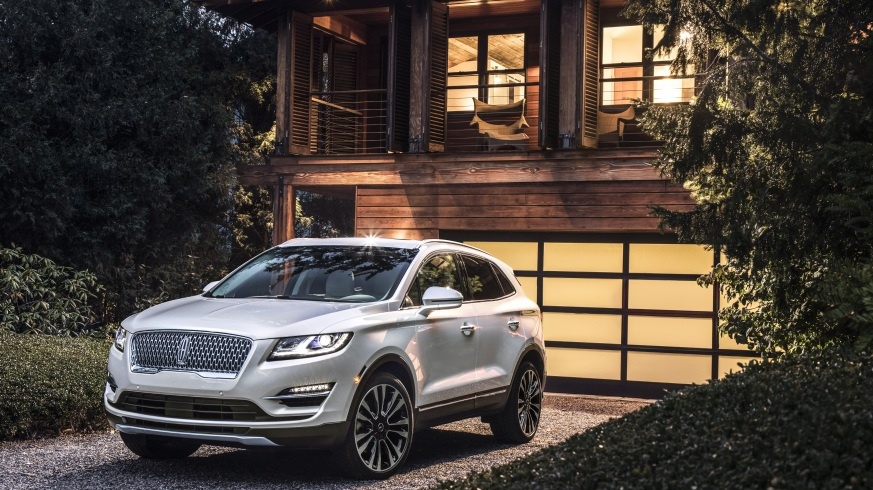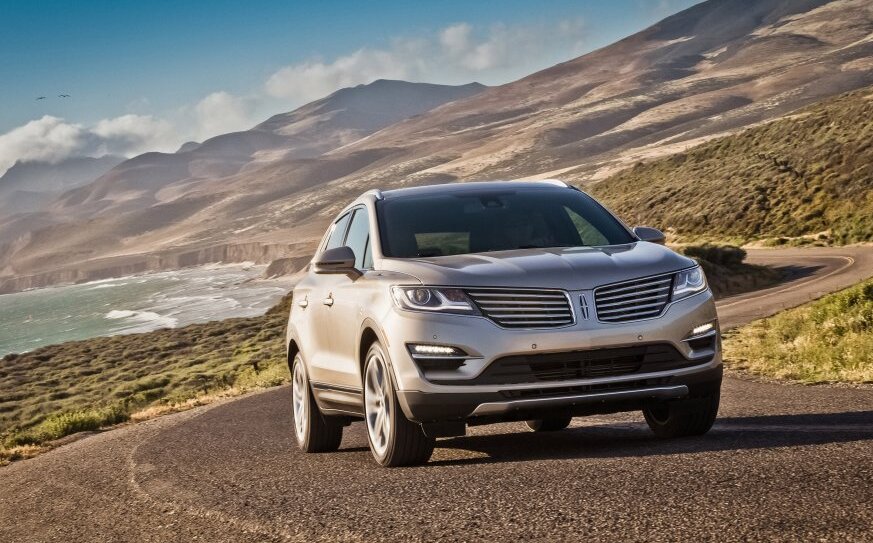
The Lincoln MKC 2.0 GTDI Automatic, produced from 2014 to 2016, represented Lincoln’s entry into the burgeoning compact luxury SUV segment. Positioned as a more attainable alternative to larger Lincoln models like the MKT and Navigator, the MKC aimed to attract a younger demographic with its blend of style, technology, and a relatively sporty driving experience. It was built on Ford’s global C-platform (also known as the 308 platform), shared with the Ford Escape and other Ford/Lincoln vehicles. The 2.0 GTDI variant, equipped with the turbocharged EcoBoost engine and a six-speed automatic transmission, served as a mid-range offering within the MKC lineup, slotting between the base 2.3L naturally aspirated engine and the more powerful 3.7L V6.
Technical Specifications
| Brand | Lincoln |
| Model | MKC |
| Generation | MKC |
| Type (Engine) | 2.0 GTDI (240 Hp) Automatic |
| Start of production | 2014 |
| End of production | 2016 |
| Powertrain Architecture | Internal Combustion engine |
| Body type | SUV |
| Seats | 5 |
| Doors | 5 |
| Fuel consumption (urban) | 11.8 l/100 km (19.9 US mpg) |
| Fuel consumption (extra urban) | 8.1 l/100 km (29 US mpg) |
| Fuel consumption (combined) | 10.2 l/100 km (23.1 US mpg) |
| Fuel Type | Petrol (Gasoline) |
| Weight-to-power ratio | 7.2 kg/Hp, 139.5 Hp/tonne |
| Weight-to-torque ratio | 4.7 kg/Nm, 212.8 Nm/tonne |
| Power | 240 Hp @ 5500 rpm |
| Power per litre | 120.1 Hp/l |
| Torque | 366 Nm @ 3000 rpm (269.95 lb.-ft. @ 3000 rpm) |
| Maximum engine speed | 6500 rpm |
| Engine layout | Front, Transverse |
| Engine Model/Code | EcoBoost |
| Engine displacement | 1999 cm3 (121.99 cu. in.) |
| Number of cylinders | 4 |
| Engine configuration | Inline |
| Cylinder Bore | 87.5 mm (3.44 in.) |
| Piston Stroke | 83.1 mm (3.27 in.) |
| Compression ratio | 9.3:1 |
| Number of valves per cylinder | 4 |
| Fuel injection system | Direct injection |
| Engine aspiration | Turbocharger, Intercooler |
| Valvetrain | DOHC, Ti-VCT |
| Engine oil capacity | 5.4 l (5.71 US qt | 4.75 UK qt) |
| Coolant | 8.1 l (8.56 US qt | 7.13 UK qt) |
| Kerb Weight | 1720 kg (3791.95 lbs.) |
| Trunk (boot) space – minimum | 799 l (28.22 cu. ft.) |
| Trunk (boot) space – maximum | 1504 l (53.11 cu. ft.) |
| Fuel tank capacity | 58 l (15.32 US gal | 12.76 UK gal) |
| Length | 4552 mm (179.21 in.) |
| Width | 1864 mm (73.39 in.) |
| Width including mirrors | 2136 mm (84.09 in.) |
| Height | 1656 mm (65.2 in.) |
| Wheelbase | 2690 mm (105.91 in.) |
| Front track | 1585 mm (62.4 in.) |
| Rear (Back) track | 1587 mm (62.48 in.) |
| Drag coefficient (Cd) | 0.34 |
| Minimum turning circle | 11.58 m (37.99 ft.) |
| Drivetrain Architecture | Front wheel drive |
| Number of gears | 6 |
| Gearbox type | automatic transmission SelectShift |
| Front brakes | Ventilated discs |
| Rear brakes | Disc |
| Tires size | 235/50 R18 |
| Wheel rims size | 18 |
Powertrain & Engine Architecture
The heart of the MKC 2.0 GTDI is Ford’s 2.0-liter EcoBoost inline-four cylinder engine. This engine, part of Ford’s extensive EcoBoost family, utilizes direct fuel injection combined with a twin-scroll turbocharger and intercooler to deliver a balance of power and efficiency. The engine code is generally associated with the global 2.0L EcoBoost platform. The Ti-VCT (Twin Independent Variable Camshaft Timing) system optimizes valve timing for improved performance and fuel economy across the engine’s operating range. The six-speed SelectShift automatic transmission, a Ford-developed unit, provides smooth and responsive gear changes. While not offering the outright performance of a dual-clutch transmission, the SelectShift unit includes a manual shift mode for drivers seeking more control.
Driving Characteristics
The 240 horsepower and 269 lb-ft of torque produced by the 2.0 GTDI engine provided the MKC with adequate, though not exhilarating, performance. Acceleration from 0 to 60 mph typically took around 7.5-8.0 seconds. The automatic transmission’s gear ratios were tuned for a balance of fuel efficiency and responsiveness. In normal driving conditions, the transmission shifted smoothly and predictably. However, when pushed harder, the transmission could sometimes feel hesitant, particularly during downshifts. Compared to the optional 3.7L V6, the 2.0 GTDI offered a more fuel-efficient driving experience, but at the expense of outright power. The front-wheel-drive configuration, standard on this variant, contributed to a slightly less engaging driving experience compared to the available all-wheel-drive system.
Equipment & Trim Levels
The MKC 2.0 GTDI Automatic typically came standard with features such as leather upholstery, a power-adjustable driver’s seat, dual-zone automatic climate control, and a rearview camera. The MyLincoln Touch infotainment system, featuring an 8-inch touchscreen display, was also standard. Optional extras included a panoramic sunroof, navigation system, premium sound system, and a suite of advanced safety features like blind-spot monitoring and lane-keeping assist. Trim levels varied slightly depending on the model year, but generally included options for upgraded interior finishes and exterior styling cues.
Chassis & Braking
The MKC’s chassis featured a MacPherson strut front suspension and an independent multi-link rear suspension. The suspension tuning was geared towards providing a comfortable ride, with a focus on absorbing bumps and minimizing road noise. Front disc brakes were ventilated for improved cooling, while rear disc brakes provided adequate stopping power. The standard anti-lock braking system (ABS) enhanced braking performance and stability. The MKC’s steering utilized an electric power steering system, offering light and precise steering feel.
Market Reception & Comparison
Critics generally praised the MKC for its stylish design, comfortable interior, and user-friendly technology. However, some reviewers noted that the 2.0 GTDI engine could feel underpowered, particularly when fully loaded or tackling steep inclines. Fuel economy was generally considered competitive for the segment, averaging around 23 mpg in combined driving. Compared to rivals like the Acura RDX, BMW X3, and Audi Q5, the MKC offered a more affordable price point, but lacked the same level of performance and refinement. The 2.0 GTDI variant represented a good value proposition for buyers prioritizing fuel efficiency and affordability over outright performance.
Legacy
The Lincoln MKC, and specifically the 2.0 GTDI Automatic variant, has proven to be a relatively reliable vehicle in the used car market. The EcoBoost engine, while occasionally susceptible to timing chain issues (a common concern across the Ford/Lincoln EcoBoost family), generally holds up well with proper maintenance. The six-speed automatic transmission is also known for its durability. Today, the MKC 2.0 GTDI represents an attractive option for buyers seeking a comfortable and well-equipped compact luxury SUV at a reasonable price. Its blend of style, technology, and fuel efficiency continues to appeal to a wide range of drivers.