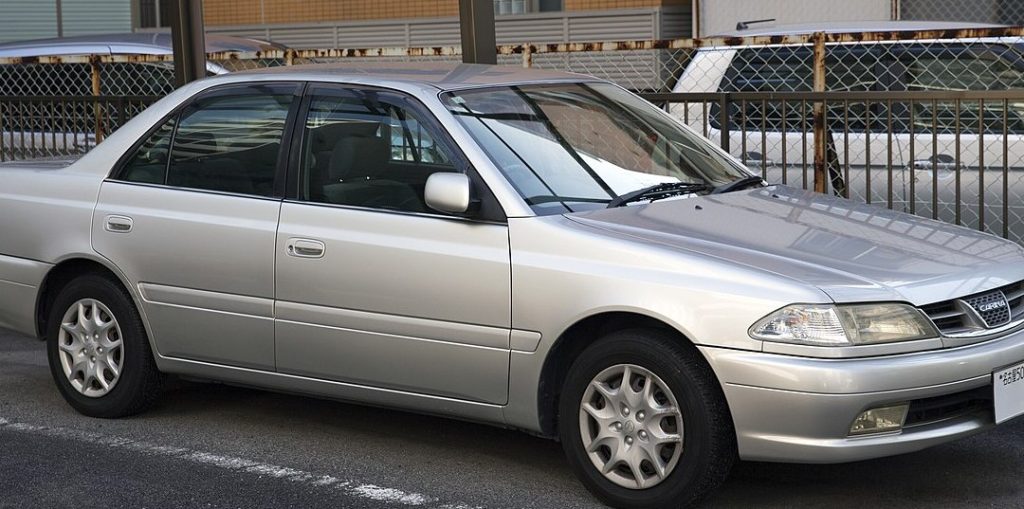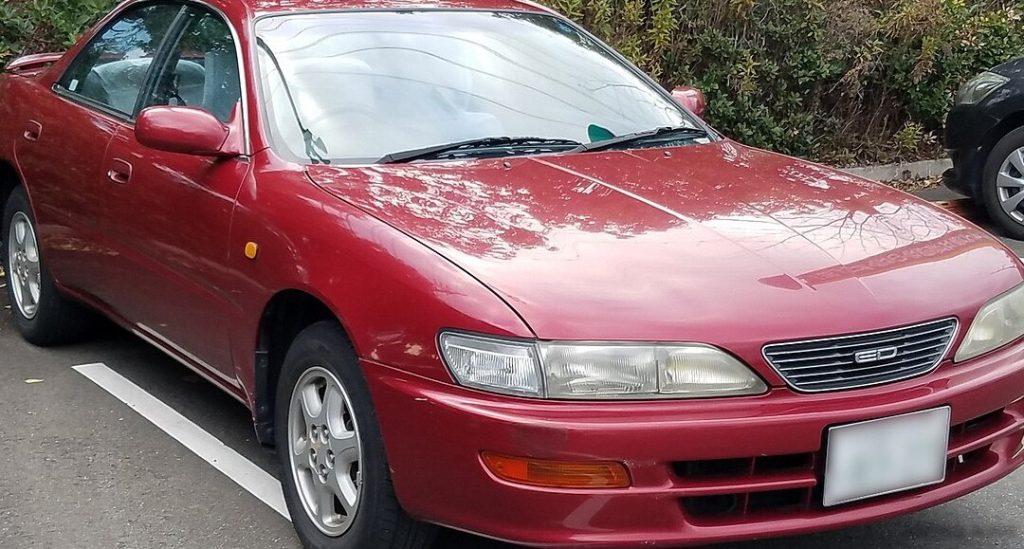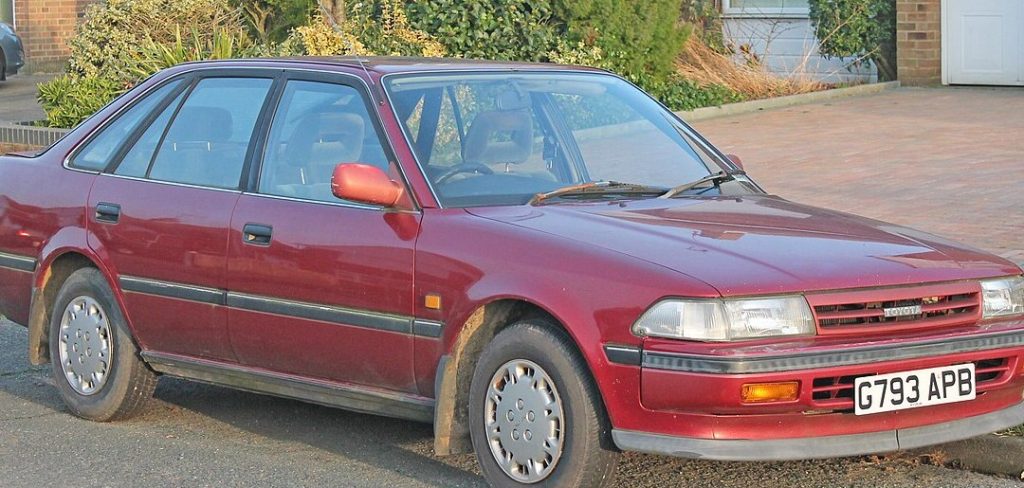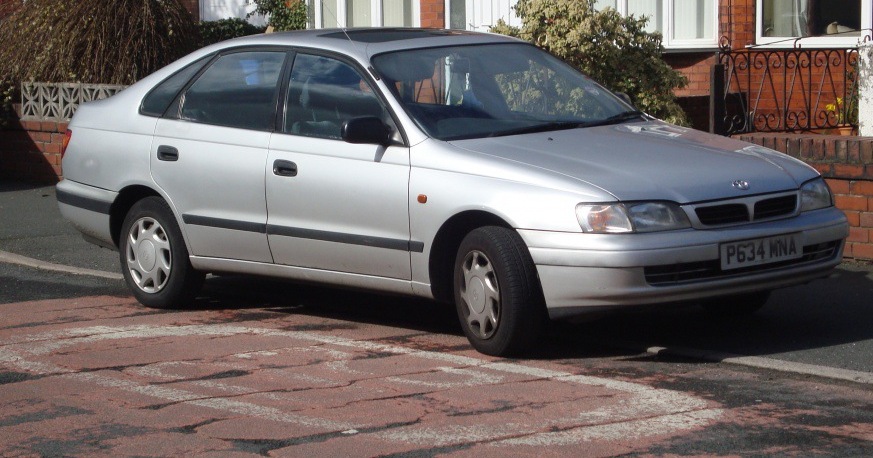
The Toyota Carina E Hatch (T19) 2.0 i 16V GTi, produced between 1994 and 1998, represented a performance-oriented variant within the Carina E range. This model, equipped with the 3S-GE engine and a five-speed manual transmission, aimed to provide a sporty driving experience within the mid-size hatchback segment. It was primarily marketed in Europe and other international markets, where Toyota sought to establish a stronger presence with vehicles tailored to local preferences.
Technical Specifications
| Brand | Toyota |
| Model | Carina |
| Generation | Carina E Hatch (T19) |
| Type (Engine) | 2.0 i 16V GTi (175 Hp) |
| Start of production | 1994 |
| End of production | 1998 |
| Powertrain Architecture | Internal Combustion engine |
| Body type | Hatchback |
| Seats | 5 |
| Doors | 5 |
| Fuel consumption (combined) | 8.5 l/100 km (27.7 US mpg, 33.2 UK mpg, 11.8 km/l) |
| Fuel Type | Petrol (Gasoline) |
| Acceleration 0 – 100 km/h | 8.4 sec |
| Acceleration 0 – 62 mph | 8.4 sec |
| Acceleration 0 – 60 mph | 8 sec |
| Maximum speed | 225 km/h (139.81 mph) |
| Weight-to-power ratio | 6.7 kg/Hp, 148.3 Hp/tonne |
| Weight-to-torque ratio | 6.3 kg/Nm, 157.6 Nm/tonne |
| Power | 175 Hp @ 7000 rpm |
| Power per litre | 87.6 Hp/l |
| Torque | 186 Nm @ 4400 rpm (137.19 lb.-ft. @ 4400 rpm) |
| Engine layout | Front, Transverse |
| Engine Model/Code | 3S-GE |
| Engine displacement | 1998 cm3 (121.93 cu. in.) |
| Number of cylinders | 4 |
| Engine configuration | Inline |
| Cylinder Bore | 86 mm (3.39 in.) |
| Piston Stroke | 86 mm (3.39 in.) |
| Compression ratio | 10.3:1 |
| Number of valves per cylinder | 4 |
| Fuel injection system | Multi-port manifold injection |
| Engine aspiration | Naturally aspirated engine |
| Valvetrain | DOHC |
| Engine oil capacity | 4.5 l (4.76 US qt | 3.96 UK qt) |
| Coolant capacity | 6.9 l (7.29 US qt | 6.07 UK qt) |
| Kerb Weight | 1180 kg (2601.45 lbs.) |
| Max. weight | 1700 kg (3747.86 lbs.) |
| Max load | 520 kg (1146.4 lbs.) |
| Trunk (boot) space – minimum | 470 l (16.6 cu. ft.) |
| Trunk (boot) space – maximum | 1250 l (44.14 cu. ft.) |
| Fuel tank capacity | 60 l (15.85 US gal | 13.2 UK gal) |
| Length | 4530 mm (178.35 in.) |
| Width | 1695 mm (66.73 in.) |
| Height | 1410 mm (55.51 in.) |
| Wheelbase | 2580 mm (101.57 in.) |
| Front track | 1465 mm (57.68 in.) |
| Rear (Back) track | 1445 mm (56.89 in.) |
| Drivetrain Architecture | The Internal combustion engine (ICE) drives the front wheels of the vehicle. |
| Drive wheel | Front wheel drive |
| Number of gears and type of gearbox | 5 gears, manual transmission |
| Front suspension | Spring Strut |
| Rear suspension | Coil spring |
| Front brakes | Ventilated discs |
| Rear brakes | Disc |
| Assisting systems | ABS (Anti-lock braking system) |
| Steering type | Steering rack and pinion |
| Power steering | Hydraulic Steering |
| Tires size | 185/65 R14 V |
Overview and Market Positioning
The Carina E, launched in 1992, was Toyota’s offering in the competitive European mid-size car segment. It aimed to provide a blend of practicality, reliability, and comfort. The 2.0 i 16V GTi variant, introduced in 1994, was positioned as the performance flagship of the Carina E hatchback range. It sat above the more economical 1.6 and 1.8 liter models, and offered a more engaging driving experience than the diesel options. It was aimed at buyers who wanted a sporty, yet practical, family car.
Engine and Performance
The heart of the 2.0 i 16V GTi was the 3S-GE engine, a 2.0-liter, naturally aspirated inline-four cylinder powerplant. This engine featured dual overhead camshafts (DOHC) and multi-port fuel injection, allowing it to produce 175 horsepower at 7000 rpm and 186 Nm (137 lb-ft) of torque at 4400 rpm. This output provided a respectable level of performance for its time, enabling a 0-60 mph acceleration time of around 8 seconds and a top speed of 139.81 mph. The five-speed manual transmission allowed drivers to fully exploit the engine’s power band. The engine’s responsiveness and willingness to rev were key characteristics, making it a popular choice for enthusiasts.
Comparison with Other Carina E Variants
The Carina E range offered a variety of engine and trim level options. The base models typically featured 1.6-liter or 1.8-liter engines, prioritizing fuel economy and affordability. These models were geared towards buyers seeking a practical and reliable family car. Diesel variants were also available, offering even greater fuel efficiency but with reduced performance. Compared to these variants, the 2.0 i 16V GTi offered a significant performance upgrade. While not as overtly sporty as some of its rivals, such as the Ford Escort Cosworth or the Volkswagen Golf GTI, the Carina E GTi provided a balanced combination of performance and practicality. It also differed from the later Carina E models that adopted more luxurious trim levels, maintaining a focus on driver engagement.
Chassis and Handling
The Carina E GTi featured a MacPherson strut front suspension and a coil spring rear suspension. This setup provided a comfortable ride while also offering decent handling characteristics. The inclusion of ABS (Anti-lock Braking System) enhanced safety. The front-wheel-drive configuration was typical for cars in this segment during the 1990s. While not a dedicated sports car, the GTi’s suspension tuning and responsive steering contributed to a more engaging driving experience compared to the standard Carina E models. The ventilated front disc brakes and rear disc brakes provided adequate stopping power.
Interior and Features
The interior of the Carina E GTi was functional and well-equipped for its time. It typically included features such as power windows, central locking, and an upgraded sound system. The seats were designed to provide good support during spirited driving. The hatchback body style offered a good level of practicality, with a spacious cargo area that could be expanded by folding down the rear seats. Trunk space ranged from 470 liters (16.6 cu. ft.) with the rear seats up to 1250 liters (44.14 cu. ft.) with them folded down.
Legacy and Impact
The Toyota Carina E 2.0 i 16V GTi, while not a hugely popular model in terms of sales volume, represented Toyota’s attempt to appeal to a more performance-oriented audience in Europe. It showcased Toyota’s engineering capabilities and its commitment to offering a diverse range of vehicles. The 3S-GE engine, in particular, was a well-regarded powerplant known for its reliability and tunability. The Carina E was eventually replaced by the Avensis in 1997, marking a shift in Toyota’s European strategy towards a more unified model lineup. Today, the Carina E GTi is appreciated by enthusiasts as a relatively affordable and reliable classic car that offers a unique driving experience.