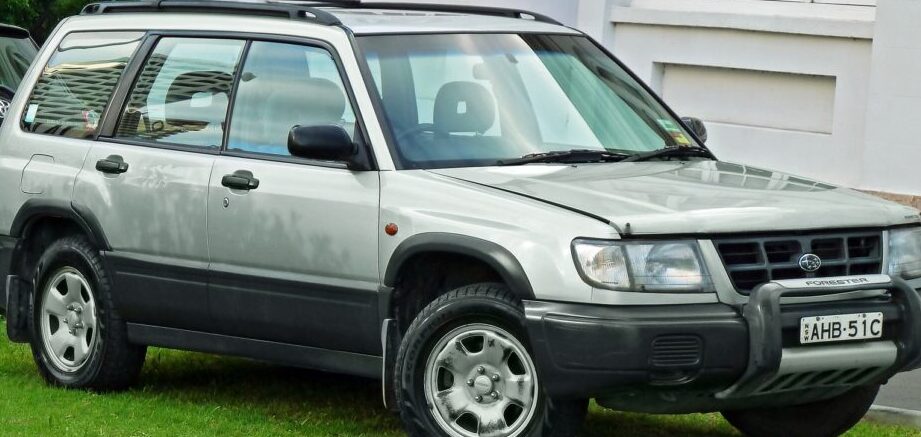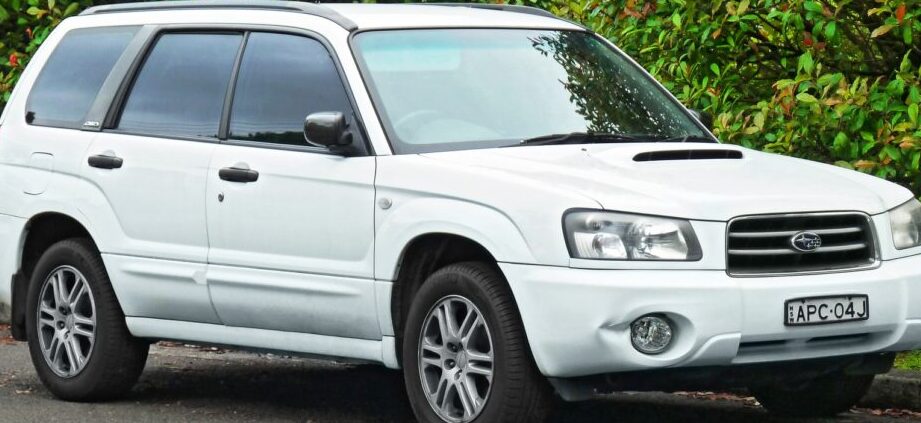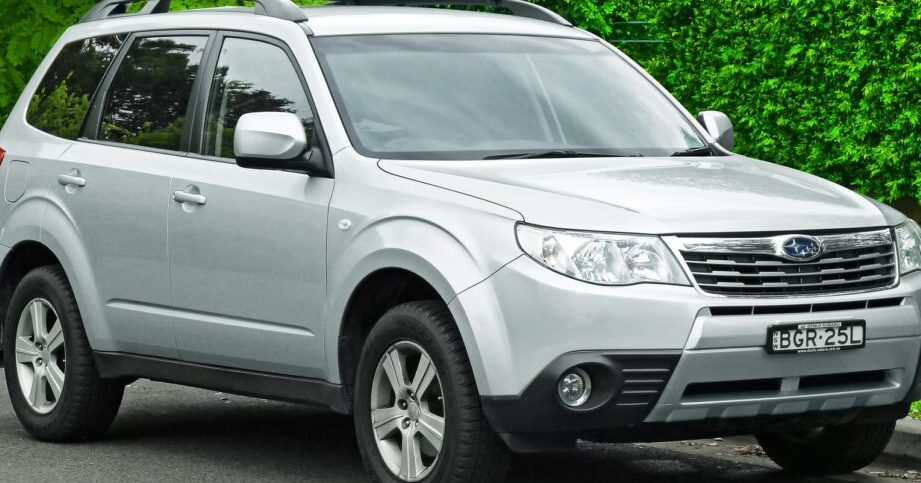
The Subaru Forester III 2.0 X (150 Hp) Dual-range, produced between 2007 and 2010, represented a significant iteration in Subaru’s popular compact SUV lineup. This variant occupied a middle ground within the Forester III range, offering a balance between affordability, practicality, and Subaru’s signature all-wheel-drive capability. It was primarily marketed in Europe, Australia, and other international markets, where compact SUVs were gaining traction as versatile family vehicles. The 2.0 X trim aimed to provide a well-rounded package for buyers seeking a capable and reliable crossover without the higher price tag of the more powerful or luxurious trims.
Technical Specifications
| Brand | Subaru |
| Model | Forester |
| Generation | Forester III |
| Type (Engine) | 2.0 X (150 Hp) Dual-range |
| Start of production | 2007 |
| End of production | 2010 |
| Powertrain Architecture | Internal Combustion engine |
| Body type | SUV, Crossover |
| Seats | 5 |
| Doors | 5 |
| Fuel consumption (urban) | 12.3 l/100 km (19.1 US mpg, 23 UK mpg, 8.1 km/l) |
| Fuel consumption (extra urban) | 7.5 l/100 km (31.4 US mpg, 37.7 UK mpg, 13.3 km/l) |
| Fuel consumption (combined) | 9.3 l/100 km (25.3 US mpg, 30.4 UK mpg, 10.8 km/l) |
| Fuel Type | Petrol (Gasoline) |
| Acceleration 0 – 100 km/h | 9.7 sec |
| Acceleration 0 – 62 mph | 9.7 sec |
| Acceleration 0 – 60 mph | 9.2 sec |
| Maximum speed | 197 km/h (122.41 mph) |
| Emission standard | Euro 4 |
| Weight-to-power ratio | 9.3 kg/Hp, 107.9 Hp/tonne |
| Weight-to-torque ratio | 7.1 kg/Nm, 141 Nm/tonne |
| Power | 150 Hp @ 6000 rpm |
| Power per litre | 75.2 Hp/l |
| Torque | 196 Nm @ 3200 rpm (144.56 lb.-ft. @ 3200 rpm) |
| Engine layout | Front, Longitudinal |
| Engine displacement | 1994 cm3 (121.68 cu. in.) |
| Number of cylinders | 4 |
| Engine configuration | Boxer |
| Cylinder Bore | 92 mm (3.62 in.) |
| Piston Stroke | 75 mm (2.95 in.) |
| Compression ratio | 11:1 |
| Number of valves per cylinder | 4 |
| Fuel injection system | Multi-port manifold injection |
| Engine aspiration | Naturally aspirated engine |
| Valvetrain | DOHC |
| Engine oil capacity | 4.2 l (4.44 US qt | 3.7 UK qt) |
| Kerb Weight | 1390 kg (3064.43 lbs.) |
| Max. weight | 1880 kg (4144.69 lbs.) |
| Max load | 490 kg (1080.27 lbs.) |
| Trunk (boot) space – minimum | 387 l (13.67 cu. ft.) |
| Fuel tank capacity | 60 l (15.85 US gal | 13.2 UK gal) |
| Length | 4485 mm (176.57 in.) |
| Width | 1735 mm (68.31 in.) |
| Height | 1590 mm (62.6 in.) |
| Wheelbase | 2525 mm (99.41 in.) |
| Front track | 1495 mm (58.86 in.) |
| Rear (Back) track | 1485 mm (58.46 in.) |
| Minimum turning circle | 10.6 m (34.78 ft.) |
| Drive wheel | All wheel drive (4×4) |
| Number of gears and type of gearbox | 5 gears, manual transmission |
| Front suspension | Spring-loaded rack |
| Rear suspension | Suspension De-Dion |
| Front brakes | Ventilated discs |
| Rear brakes | Disc |
| Assisting systems | ABS (Anti-lock braking system) |
| Steering type | Steering rack and pinion |
| Power steering | Electric Steering |
| Tires size | 215/60 R16 |
Overview and Market Positioning
The Forester III, launched in 2007, represented a move towards a more refined and car-like crossover SUV. Compared to its predecessor, it featured a more comfortable ride, improved interior quality, and a more modern design. The 2.0 X variant, powered by Subaru’s naturally aspirated 2.0-liter boxer engine, was positioned as the entry-level offering with a manual transmission. It catered to buyers who prioritized fuel efficiency and affordability over outright performance. In many markets, it sat below the 2.5 XT (turbocharged) and diesel variants in the lineup.
Engine and Transmission
The heart of the 2.0 X is Subaru’s 1994cc (121.68 cu. in.) horizontally-opposed four-cylinder “boxer” engine. This engine produced 150 horsepower at 6000 rpm and 196 Nm (144.56 lb.-ft.) of torque at 3200 rpm. The boxer configuration, with its pistons moving horizontally, contributes to a lower center of gravity, enhancing stability and handling. The engine utilized multi-port fuel injection and a double overhead camshaft (DOHC) valvetrain. Paired with a five-speed manual transmission, the 2.0 X offered a reasonably engaging driving experience, although acceleration was not its strong suit. The dual-range functionality refers to the all-wheel-drive system’s ability to switch between standard and low range for enhanced off-road capability, a hallmark of Subaru vehicles.
Performance and Handling
The 2.0 X Forester achieved a 0-60 mph time of approximately 9.2 seconds and a top speed of 122.41 mph. While these figures aren’t particularly impressive by modern standards, they were adequate for everyday driving and light off-road excursions. The symmetrical all-wheel-drive system provided excellent traction in various conditions, making it a popular choice in regions with inclement weather. The De-Dion rear suspension contributed to a comfortable ride and predictable handling. However, the relatively modest power output meant that the engine needed to be revved to maintain speed when fully loaded or tackling steep inclines.
Comparison with Other Forester III Variants
The 2.0 X differed significantly from other Forester III variants. The 2.5 XT, equipped with a turbocharged 2.5-liter engine, offered substantially more power and quicker acceleration, appealing to drivers seeking a more sporty experience. The diesel variants, typically powered by a 2.0-liter turbocharged diesel engine, provided superior fuel economy and torque, making them ideal for long-distance driving and towing. Compared to these alternatives, the 2.0 X was the most affordable option, but it also offered the least amount of performance. Maintenance costs for the 2.0 X were generally lower than those of the turbocharged models, as there were fewer complex components to fail. The naturally aspirated engine was also known for its reliability.
Interior and Features
The interior of the 2.0 X Forester was functional and well-built, although it lacked the premium features found in higher trim levels. Standard equipment typically included air conditioning, power windows and locks, and a basic audio system. The spacious cabin offered comfortable seating for five passengers, and the 387-liter (13.67 cu. ft.) cargo area provided ample space for luggage and groceries. Safety features included ABS brakes and multiple airbags.
Legacy and Impact
The Subaru Forester III 2.0 X (150 Hp) Dual-range played a crucial role in establishing the Forester as a leading contender in the compact SUV segment. Its combination of practicality, reliability, and all-wheel-drive capability resonated with buyers seeking a versatile and capable vehicle. While it may not have been the fastest or most luxurious Forester variant, it offered a compelling value proposition and helped to broaden the Forester’s appeal to a wider audience. The Forester III generation, as a whole, solidified Subaru’s reputation for building durable and capable vehicles that could handle a variety of driving conditions.