
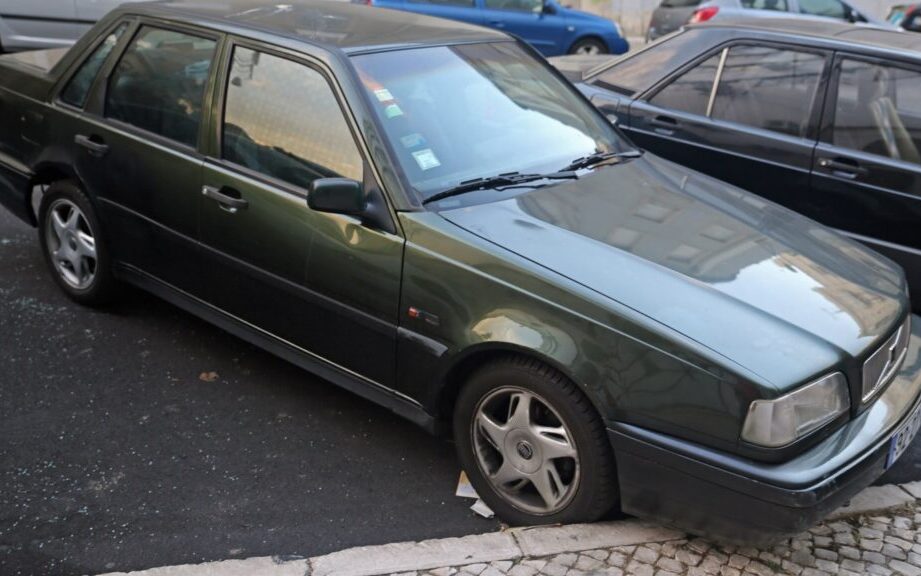
The Volvo 460 L, specifically the 1.7-liter (87 hp) variant produced between 1989 and 1993, represented Volvo’s entry-level offering in the compact sedan segment. Falling under the 464 chassis code, this model was a key part of Volvo’s attempt to broaden its appeal and compete more directly with European and Japanese rivals. It was positioned as a practical, safe, and relatively affordable family car, though it often faced criticism for its somewhat uninspired styling and performance compared to more sporting competitors. The 460 L was a significant departure for Volvo, being their first front-wheel drive sedan, and it paved the way for future models built on similar platforms.
Technical Specifications
| Brand | Volvo |
| Model | 460 L |
| Generation | 460 L (464) |
| Type (Engine) | 1.7 (87 Hp) |
| Start of production | 1989 |
| End of production | 1993 |
| Powertrain Architecture | Internal Combustion engine |
| Body type | Sedan |
| Seats | 5 |
| Doors | 4 |
| Fuel consumption (urban) | 9.4 l/100 km (25 US mpg) |
| Fuel consumption (extra urban) | 5.1 l/100 km (46.1 US mpg) |
| Fuel consumption (combined) | 6.8 l/100 km (34.6 US mpg) |
| Fuel Type | Petrol (Gasoline) |
| Acceleration 0 – 100 km/h | 11.5 sec |
| Acceleration 0 – 62 mph | 11.5 sec |
| Acceleration 0 – 60 mph | 10.9 sec |
| Maximum speed | 175 km/h (108.74 mph) |
| Weight-to-power ratio | 11.3 kg/Hp |
| Weight-to-torque ratio | 7.5 kg/Nm |
| Power | 87 Hp @ 5700 rpm |
| Torque | 130 Nm @ 3600 rpm (95.88 lb.-ft. @ 3600 rpm) |
| Engine layout | Front, Transverse |
| Engine Model/Code | B18KP |
| Engine displacement | 1721 cm3 (105.02 cu. in.) |
| Number of cylinders | 4 |
| Engine configuration | Inline |
| Cylinder Bore | 81 mm (3.19 in.) |
| Piston Stroke | 83.5 mm (3.29 in.) |
| Compression ratio | 9.5:1 |
| Number of valves per cylinder | 2 |
| Fuel injection system | Multi-port manifold injection |
| Engine aspiration | Naturally aspirated engine |
| Valvetrain | OHC |
| Engine oil capacity | 5.3 l (5.6 US qt | 4.66 UK qt) |
| Coolant capacity | 7 l (7.4 US qt | 6.16 UK qt) |
| Kerb Weight | 980 kg (2160.53 lbs.) |
| Max. weight | 1570 kg (3461.26 lbs.) |
| Max load | 590 kg (1300.73 lbs.) |
| Trunk (boot) space – minimum | 453 l (16 cu. ft.) |
| Trunk (boot) space – maximum | 948 l (33.48 cu. ft.) |
| Fuel tank capacity | 60 l (15.85 US gal | 13.2 UK gal) |
| Length | 4435 mm (174.61 in.) |
| Width | 1686 mm (66.38 in.) |
| Height | 1378 mm (54.25 in.) |
| Wheelbase | 2503 mm (98.54 in.) |
| Front track | 1416 mm (55.75 in.) |
| Rear track | 1426 mm (56.14 in.) |
| Drivetrain Architecture | Front wheel drive |
| Number of gears | 5 gears, manual transmission |
| Front suspension | Wishbone |
| Rear suspension | Coil spring |
| Front brakes | Disc |
| Rear brakes | Disc |
| Assisting systems | ABS (Anti-lock braking system) |
| Steering type | Steering rack and pinion |
| Power steering | Hydraulic Steering |
| Tires size | 175/65 R15 |
| Wheel rims size | 15 |
Powertrain & Engine Architecture
The heart of the 1.7-liter 460 L was the B18KP engine, a naturally aspirated, inline-four cylinder powerplant. This engine, while relatively simple in design, featured multi-port fuel injection, a significant upgrade from the carburetors found in older Volvo models. The overhead camshaft (OHC) valvetrain operated two valves per cylinder, contributing to reasonable efficiency and a relatively smooth power delivery. The B18KP produced 87 horsepower at 5700 rpm and 130 Nm (95.88 lb-ft) of torque at 3600 rpm. This engine was paired with a five-speed manual transmission, which was the standard offering. The transmission was designed for durability and ease of use, but wasn’t particularly sporty in its gearing. The engine’s transverse mounting, a consequence of the front-wheel-drive layout, was a relatively new approach for Volvo at the time.
Driving Characteristics
The 1.7-liter 460 L with the five-speed manual transmission offered adequate, but not exhilarating, performance. Acceleration from 0 to 60 mph took around 10.9 seconds, and top speed was approximately 108.74 mph. The engine felt somewhat strained at higher speeds, and passing maneuvers required careful planning. The gear ratios were geared towards fuel economy rather than outright acceleration. Compared to the later 2.0-liter versions, the 1.7 felt noticeably less powerful, especially when fully loaded with passengers and luggage. The front-wheel-drive configuration provided predictable handling, but lacked the dynamic finesse of rear-wheel-drive competitors. The steering, while hydraulically assisted, was somewhat vague and lacked feedback.
Equipment & Trim Levels
The 460 L 1.7 was typically equipped with basic, but functional, features. Standard equipment included cloth upholstery, a basic stereo system, and manual windows and door locks. Air conditioning was often an optional extra, as were power windows and central locking. Interior trim was generally conservative, reflecting Volvo’s focus on practicality and durability. The dashboard layout was straightforward and easy to use, though it lacked the aesthetic appeal of some contemporary rivals. Safety features, a Volvo hallmark, were relatively comprehensive for the time, including seatbelt pre-tensioners and a reinforced safety cage.
Chassis & Braking
The 460 L utilized a relatively simple chassis design. Front suspension consisted of wishbones, while the rear employed a coil spring setup. The braking system featured disc brakes on all four wheels, a notable safety feature for a car in this class. An Anti-lock Braking System (ABS) was available as an option, further enhancing safety. The car’s weight of around 980 kg (2160.53 lbs) contributed to its relatively modest performance. Stabilizer bars were fitted to both the front and rear axles to reduce body roll during cornering.
Market Reception & Comparison
The 460 L 1.7 received mixed reviews from automotive critics. While praised for its safety and build quality, it was often criticized for its bland styling and uninspiring performance. Compared to the more powerful 2.0-liter versions, the 1.7 offered significantly less performance, but at a lower price point. Fuel economy was a strong point, with combined fuel consumption averaging around 34.6 US mpg. Reliability was generally good, though some owners reported issues with the electrical system. The 1.7L version was aimed at buyers prioritizing economy and practicality over driving excitement.
Legacy
The Volvo 460 L, particularly the 1.7-liter variant, holds a modest place in Volvo’s history. While not a particularly iconic model, it represented a significant step for the company in terms of embracing front-wheel drive and expanding its model range. The B18KP engine proved to be reasonably durable, and many examples are still on the road today. In the used car market, the 460 L 1.7 is often seen as an affordable and reliable classic, appealing to those seeking a simple, safe, and economical mode of transportation. Its relative simplicity makes it easier to maintain and repair compared to more complex modern vehicles.
