
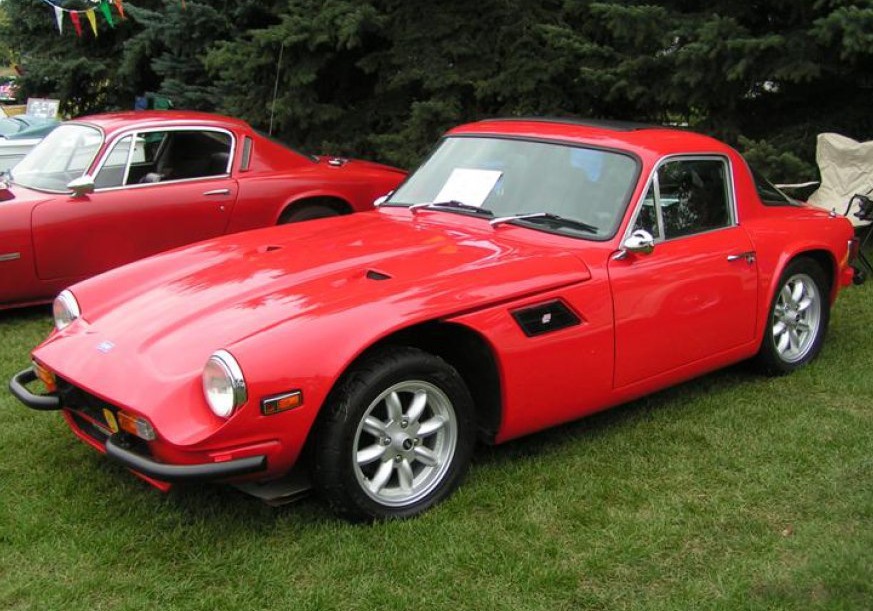
The TVR 2500, produced between 1972 and 1977, represents a pivotal moment for the Blackpool-based manufacturer. Positioned as a relatively accessible entry point into the TVR range, the 2500 aimed to broaden the brand’s appeal beyond its traditionally hardcore enthusiast base. This model, characterized by its lightweight construction and spirited performance, was a direct descendant of the earlier TVR Vixen, sharing much of its chassis and styling. The 2.5-liter variant, producing 106 horsepower, became the most common iteration of the 2500, offering a balance between performance and affordability within the TVR lineup. It was a key model in establishing TVR’s reputation for building exciting, driver-focused sports cars.
Technical Specifications
| Brand | TVR |
| Model | 2500 |
| Generation | 2500 |
| Type (Engine) | 2.5 (106 Hp) |
| Start of Production | 1972 |
| End of Production | 1977 |
| Powertrain Architecture | Internal Combustion Engine |
| Body Type | Coupe |
| Fuel Type | Petrol (Gasoline) |
| Power | 106 Hp |
| Engine Aspiration | Naturally Aspirated |
Powertrain & Engine Architecture
The heart of the TVR 2500 2.5 was a Ford Essex V6 engine, displacing 2.5 liters (152 cubic inches). While TVR was known for its independent engineering, sourcing the Essex V6 allowed them to focus on chassis and bodywork development, keeping costs manageable. The engine, designated as the Ford Essex V6, was a 60-degree V6, known for its relatively smooth operation and inherent balance. The 106 horsepower output was achieved through a modest 8.5:1 compression ratio and a single Zenith-Stromberg carburetor. Unlike some of its more powerful TVR siblings, the 2500 2.5 did not receive fuel injection during its production run. The engine featured a single overhead camshaft (SOHC) design, operating the valves via pushrods and rockers. The transmission was typically a four-speed manual, although a three-speed automatic transmission was offered as an option, albeit less common. The automatic transmission, a Borg-Warner unit, significantly altered the driving experience, prioritizing comfort over outright performance. The engine’s simplicity contributed to its relative reliability, although regular maintenance was crucial, particularly regarding carburetor tuning and valve adjustments.
Driving Characteristics
The TVR 2500 2.5, even with its 106 horsepower, offered a surprisingly engaging driving experience. Its lightweight fiberglass body – a hallmark of TVR construction – kept the curb weight down, resulting in a power-to-weight ratio that felt more substantial than the horsepower figure might suggest. The four-speed manual transmission allowed drivers to exploit the engine’s torque, providing reasonable acceleration. However, the automatic transmission version noticeably dulled the performance, with slower gear changes and a less direct connection to the engine. The suspension, consisting of independent front suspension with double wishbones and a live axle rear suspension with trailing arms, provided a firm but compliant ride. Steering was unassisted, requiring a degree of physical effort, but offering excellent feedback. Compared to the more potent TVR 3000S, the 2500 2.5 felt less urgent in its acceleration, but it remained a nimble and rewarding car to drive on winding roads. The automatic version, while comfortable, lacked the responsiveness that defined the TVR driving experience.
Equipment & Trim Levels
The TVR 2500 2.5 was relatively spartan in its standard equipment, reflecting its positioning as an entry-level sports car. Interior appointments were functional rather than luxurious. Standard features typically included cloth upholstery, basic instrumentation (speedometer, tachometer, fuel gauge, and temperature gauge), and a wood-rimmed steering wheel. Heating was standard, but air conditioning was not offered. Trim levels were limited, with most customization occurring through optional extras. Popular options included leather upholstery, a more comprehensive instrument panel, and upgraded wheels. The dashboard layout was simple and driver-focused, with switches and controls arranged for ease of use. The interior space was compact, typical of a small sports coupe, offering limited room for passengers and luggage. The overall aesthetic was one of understated elegance, prioritizing driving enjoyment over opulent features.
Chassis & Braking
The TVR 2500 2.5 utilized a tubular steel chassis, a design that provided a strong and lightweight foundation for the car. The fiberglass body panels were bonded to this chassis, further reducing weight. The front suspension featured independent double wishbones with coil springs and telescopic shock absorbers. The rear suspension employed a live axle with trailing arms, also with coil springs and shock absorbers. Braking was initially specified with Dunlop disc brakes on the front wheels and drum brakes on the rear. Later models saw the adoption of disc brakes all around, improving stopping performance. Steering was a traditional rack and pinion system, unassisted, providing direct and precise control. The relatively light weight of the car meant that the braking system, even with rear drums, was generally adequate for road use, although it lacked the stopping power of more modern sports cars. Stabilizer bars were fitted to both the front and rear axles, helping to reduce body roll during cornering.
Market Reception & Comparison
The TVR 2500 2.5 was generally well-received by automotive critics, who praised its handling, lightweight construction, and overall driving experience. However, some criticism was directed at the engine’s modest power output, particularly when compared to other sports cars of the era. The automatic transmission version was often viewed as a compromise, sacrificing performance for convenience. Compared to the TVR 3000S, which featured a more powerful engine and a more luxurious interior, the 2500 2.5 represented a more affordable and accessible option. Fuel economy was reasonable for a sports car of the 1970s, averaging around 22-25 miles per gallon. Reliability was typical of British sports cars of the period – requiring diligent maintenance to prevent issues. The 2500 2.5 appealed to drivers who prioritized handling and driving enjoyment over outright speed and luxury.
Legacy
The TVR 2500 2.5 holds a significant place in TVR’s history as a model that helped broaden the brand’s appeal. While not as iconic as some of its more powerful siblings, it remains a popular choice among TVR enthusiasts. The Ford Essex V6 engine, while not known for its longevity, is relatively easy to maintain and repair, thanks to its simplicity and the availability of parts. Today, the TVR 2500 2.5 is a sought-after classic car, commanding reasonable prices in the used car market. Well-maintained examples are increasingly rare, making them a valuable investment for collectors. The car’s lightweight construction and engaging driving dynamics continue to appeal to enthusiasts who appreciate a classic British sports car experience. The 2500 2.5 serves as a reminder of TVR’s commitment to building exciting, driver-focused cars that prioritized performance and handling above all else.
