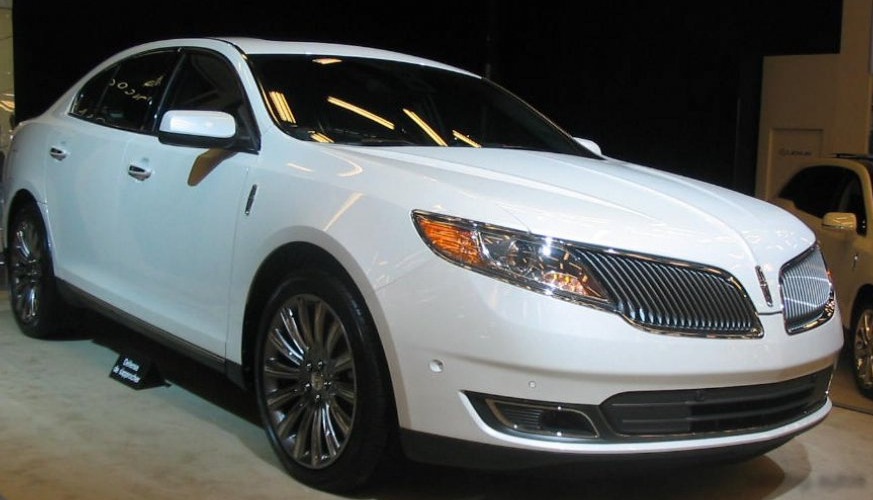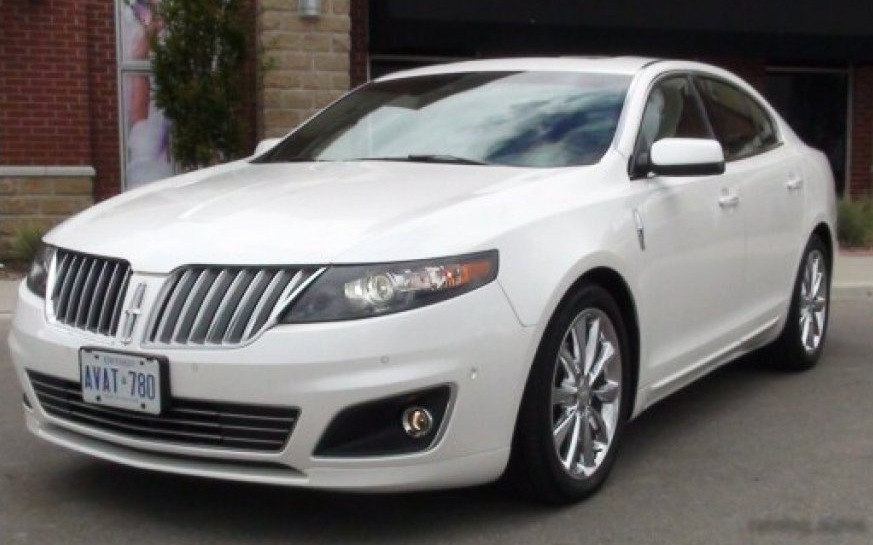
The Lincoln MKS 3.7 V6 Automatic, produced from 2009 to 2012, represented Lincoln’s entry into the full-size luxury sedan segment, aiming to replace the outgoing LS and provide a more spacious and contemporary alternative to established competitors. Positioned as a mid-range offering within the MKS lineup – which also included a 3.5L V6 and later a turbocharged EcoBoost variant – the 3.7L model struck a balance between performance and affordability. It was built on the D3 platform, shared with the Ford Taurus and other Ford Motor Company vehicles, but distinguished itself through Lincoln’s signature styling and emphasis on comfort and refinement. This generation, known internally as the MKS I, aimed to revitalize the Lincoln brand and appeal to a broader customer base.
Technical Specifications
| Brand | Lincoln |
| Model | MKS |
| Generation | MKS I |
| Type (Engine) | 3.7 V6 (275 Hp) Automatic |
| Start of production | 2009 |
| End of production | 2012 |
| Powertrain Architecture | Internal Combustion engine |
| Body type | Sedan |
| Seats | 5 |
| Doors | 4 |
| Fuel consumption (urban) | 13.8 l/100 km (17 US mpg, 20.5 UK mpg) |
| Fuel consumption (extra urban) | 9.4 l/100 km (25 US mpg, 30.1 UK mpg) |
| Fuel consumption (combined) | 11.7 l/100 km (20.1 US mpg, 24.1 UK mpg) |
| Fuel Type | Petrol (Gasoline) |
| Weight-to-power ratio | 6.8 kg/Hp, 146.9 Hp/tonne |
| Weight-to-torque ratio | 5 kg/Nm, 199.8 Nm/tonne |
| Power | 275 Hp @ 6250 rpm |
| Power per litre | 73.8 Hp/l |
| Torque | 374 Nm @ 4250 rpm (275.85 lb.-ft. @ 4250 rpm) |
| Maximum engine speed | 6750 rpm |
| Engine layout | Front, Transverse |
| Engine Model/Code | Cyclone |
| Engine displacement | 3726 cm3 (227.37 cu. in.) |
| Number of cylinders | 6 |
| Engine configuration | V-engine |
| Cylinder Bore | 95.5 mm (3.76 in.) |
| Piston Stroke | 86.7 mm (3.41 in.) |
| Compression ratio | 10.3:1 |
| Number of valves per cylinder | 4 |
| Fuel injection system | Multi-port manifold injection |
| Engine aspiration | Naturally aspirated engine |
| Valvetrain | DOHC, i-VCT |
| Engine oil capacity | 5.2 l (5.49 US qt | 4.58 UK qt) |
| Coolant | 10.5 l (11.1 US qt | 9.24 UK qt) |
| Kerb Weight | 1872 kg (4127.05 lbs.) |
| Trunk (boot) space – maximum | 530 l (18.72 cu. ft.) |
| Fuel tank capacity | 75 l (19.81 US gal | 16.5 UK gal) |
| Length | 5184 mm (204.09 in.) |
| Width | 1928 mm (75.91 in.) |
| Width including mirrors | 2172 mm (85.51 in.) |
| Height | 1565 mm (61.61 in.) |
| Wheelbase | 2868 mm (112.91 in.) |
| Front track | 1648 mm (64.88 in.) |
| Rear (Back) track | 1654 mm (65.12 in.) |
| Drag coefficient (Cd) | 0.32 |
| Minimum turning circle (turning diameter) | 12.1 m (39.7 ft.) |
| Drivetrain Architecture | The Internal combustion engine (ICE) drives the front wheels of the vehicle. |
| Drive wheel | Front wheel drive |
| Number of gears and type of gearbox | 6 gears, automatic transmission SelectShift |
| Front suspension | Independent coil spring |
| Rear suspension | Independent multi-link suspension |
| Front brakes | Ventilated discs |
| Rear brakes | Ventilated discs |
| Assisting systems | ABS (Anti-lock braking system) |
| Steering type | Steering rack and pinion |
| Tires size | 235/55 R18 T |
| Wheel rims size | 18 |
Powertrain & Engine Architecture
The heart of the MKS 3.7 was the Ford Cyclone 3.7-liter V6 engine. This naturally aspirated engine, part of Ford’s Cyclone family, featured a 60-degree V-angle and utilized a cast aluminum block with cast iron cylinder liners. It employed multi-port fuel injection and a double overhead camshaft (DOHC) valvetrain with variable valve timing (i-VCT) on both intake and exhaust valves. This technology helped optimize engine performance and fuel efficiency across a wider range of engine speeds. The engine produced 275 horsepower at 6250 rpm and 275 lb-ft of torque at 4250 rpm. The engine was transversely mounted in the front of the vehicle. Paired with the engine was a six-speed automatic transmission, marketed by Ford as “SelectShift.” This transmission offered a manual shift mode, allowing drivers some control over gear selection, though it wasn’t a performance-oriented transmission like those found in some European rivals.
Driving Characteristics
The 3.7L MKS offered a comfortable and refined driving experience, prioritizing smoothness over outright sportiness. The automatic transmission was tuned for relaxed cruising, with relatively conservative gear ratios. Acceleration was adequate for most driving situations, but it wasn’t as brisk as the EcoBoost or the 3.5L variants. The front-wheel-drive configuration contributed to predictable handling, but also limited the car’s cornering ability compared to rear-wheel-drive competitors. The steering was light and easy, making it well-suited for city driving. The SelectShift function allowed for some driver engagement, but the transmission’s response wasn’t particularly quick or precise. Overall, the driving experience was geared towards providing a comfortable and isolated ride, rather than an engaging one.
Equipment & Trim Levels
The MKS 3.7 typically came standard with a respectable array of features, including leather upholstery, dual-zone automatic climate control, a premium audio system (often a Sony system), and power-adjustable front seats. Optional extras included a navigation system, a rear-view camera, and a power moonroof. Higher trim levels, such as the MKS Elite, added features like heated and cooled front seats, upgraded leather, and wood trim. The interior design was generally conservative and focused on providing a luxurious and comfortable environment. Dashboard layout was straightforward and user-friendly, with a focus on ease of use.
Chassis & Braking
The MKS utilized an independent coil spring suspension in the front and an independent multi-link suspension in the rear. This setup provided a comfortable ride, absorbing bumps and imperfections in the road effectively. The car was equipped with ventilated disc brakes on all four wheels, providing adequate stopping power for its weight class. An anti-lock braking system (ABS) was standard. Stabilizer bars were fitted to both the front and rear suspensions to reduce body roll during cornering. The chassis was tuned for comfort and isolation, rather than sharp handling.
Market Reception & Comparison
Critics generally viewed the MKS 3.7 as a competent but unremarkable luxury sedan. It was praised for its comfortable ride and spacious interior, but criticized for its bland styling and lack of driving excitement. Compared to the 3.5L V6 version, the 3.7 offered a slight performance advantage, but at a higher price point. The EcoBoost model, introduced later, provided significantly more power and a more engaging driving experience, making the 3.7 less appealing to performance-minded buyers. Fuel economy was average for the segment, falling somewhere in the middle of the pack. Reliability was generally good, but some owners reported issues with the transmission and electrical systems.
Legacy
The Lincoln MKS, including the 3.7L variant, ultimately failed to achieve the sales success that Lincoln had hoped for. It was discontinued after the 2016 model year, replaced by the Continental. Today, the MKS 3.7 can be found on the used car market at relatively affordable prices. The Cyclone 3.7L engine is generally considered to be a reliable powerplant, but potential buyers should be aware of the possibility of transmission issues. The MKS 3.7 represents a transitional period for Lincoln, as the brand attempted to modernize its image and compete with established luxury brands. While it wasn’t a groundbreaking vehicle, it offered a comfortable and spacious alternative to its competitors and remains a reasonably practical and affordable option for those seeking a full-size luxury sedan.