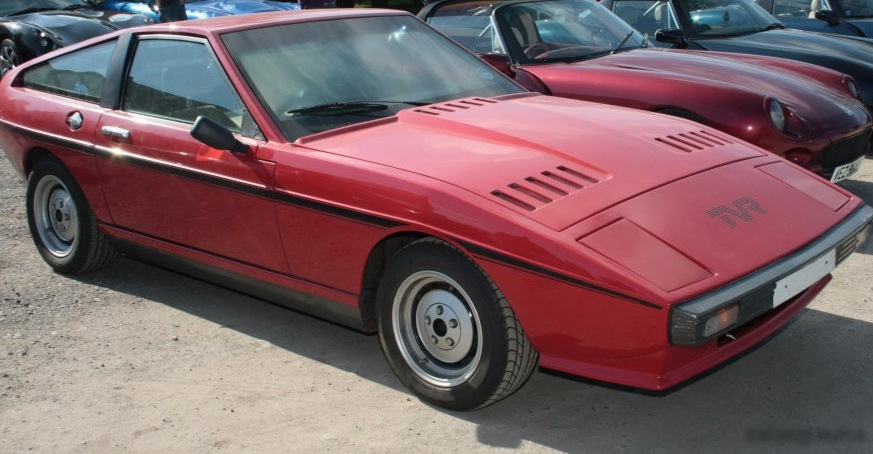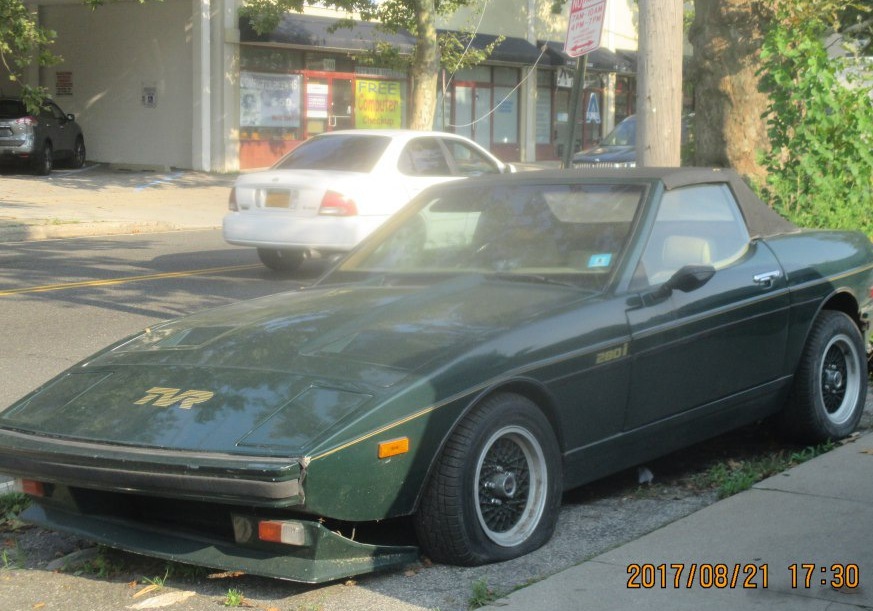
The TVR 280 Cabrio 2.8i, produced between 1984 and 1987, represents a pivotal point in the Blackpool-based manufacturer’s history. It was a key model in solidifying TVR’s reputation for building lightweight, exciting sports cars. The 280 Cabrio was part of the broader ‘280’ series, which included coupe variants, and aimed to offer a more accessible entry point into the TVR range while retaining the core driving experience that defined the brand. This model bridged the gap between the earlier, more raw TVRs and the increasingly sophisticated designs that would follow in the late 1980s and 1990s. It was a relatively short-lived model, but it remains a desirable classic amongst enthusiasts.
Technical Specifications
| Brand | TVR |
| Model | 280 |
| Generation | 280 Cabrio |
| Type (Engine) | 2.8 i (150 Hp) |
| Start of Production | 1984 |
| End of Production | 1987 |
| Powertrain Architecture | Internal Combustion Engine |
| Body Type | Cabriolet |
| Fuel Type | Petrol (Gasoline) |
| Power | 150 Hp |
| Engine Aspiration | Naturally Aspirated |
Powertrain & Engine Architecture
The heart of the TVR 280 Cabrio 2.8i is a Ford-derived, but heavily modified, 2.8-liter V6 engine. While originating from the Ford Cologne engine family, TVR significantly altered the internals and tuning to increase power and responsiveness. The engine code is often referred to as the ‘TVR 280’ engine, rather than a specific Ford designation, due to the extensive modifications. It features a 90-degree V6 configuration, providing inherent smoothness. The 280i version utilized Bosch K-Jetronic fuel injection, a mechanical system known for its reliability and consistent fuel delivery, though it could be less efficient than later electronic systems. The valvetrain consists of two valves per cylinder, operated by a single overhead camshaft.
The engine’s 150 horsepower at approximately 5500 rpm and around 190 lb-ft of torque were respectable for the time, especially considering the car’s light weight. Power is delivered to the rear wheels via a five-speed manual gearbox, sourced from Ford. An automatic transmission was also available, though less common and generally considered to detract from the driving experience. The automatic was a three-speed unit, also of Ford origin. The rear-wheel drive configuration, combined with the relatively short wheelbase, contributed to the TVR’s lively handling characteristics.
Driving Characteristics
The TVR 280 Cabrio 2.8i offered a distinctly raw and engaging driving experience. Its lightweight construction – typically around 2,200 lbs – meant that the 150 hp engine provided brisk acceleration. Zero to sixty mph times were in the region of 7.5 to 8 seconds, which was competitive with other sports cars of the era. The five-speed manual gearbox allowed drivers to fully exploit the engine’s powerband, while the automatic, though offering convenience, resulted in noticeable performance loss. The steering was unassisted, providing direct and communicative feedback, but requiring considerable effort at low speeds. The suspension, consisting of independent double wishbones all around, offered a firm ride, prioritizing handling over comfort. The car’s limited-slip differential helped to maintain traction during cornering, enhancing its agility. However, the lack of modern driver aids meant that the 280 Cabrio demanded respect and a skilled driver to extract the most from it.
Equipment & Trim Levels
The TVR 280 Cabrio was relatively spartan in terms of standard equipment, reflecting its focus on driving purity. Standard features typically included leather seats, a wood-rimmed steering wheel, and basic instrumentation. The interior was functional rather than luxurious, with a clear emphasis on the driving experience. The dashboard layout was simple and straightforward. Optional extras included a sunroof, upgraded stereo systems, and various trim options. Interior colors were often chosen to complement the exterior paintwork, with a wide range of options available. The convertible top was manually operated, adding to the car’s hands-on appeal. Trim levels were not rigidly defined, but customers could specify a range of options to personalize their vehicle.
Chassis & Braking
The TVR 280 Cabrio utilized a tubular steel spaceframe chassis, a construction method favored by TVR for its strength and lightness. This chassis provided a rigid platform for the suspension and bodywork. The suspension system, as mentioned previously, consisted of independent double wishbones all around, with coil springs and telescopic dampers. Braking was provided by disc brakes on all four wheels, though the rear discs were often smaller in diameter than the front. The braking system was unassisted, requiring significant pedal effort. The car’s relatively low weight helped to compensate for the lack of power assistance. Stabilizer bars were fitted to both the front and rear axles to reduce body roll during cornering.
Market Reception & Comparison
The TVR 280 Cabrio was generally well-received by automotive critics, who praised its engaging driving experience and distinctive styling. However, it was also criticized for its lack of refinement and relatively basic interior. Compared to other sports cars of the era, such as the Porsche 944 or Mazda RX-7, the TVR offered a more raw and visceral experience, but lacked the same level of sophistication. Within the TVR lineup, the 280 Cabrio sat between the more affordable S series and the more powerful 390SE. Fuel economy was modest, averaging around 20-25 mpg. Reliability was typical of British sports cars of the period – requiring diligent maintenance and a degree of mechanical sympathy.
Legacy
The TVR 280 Cabrio 2.8i remains a popular choice amongst classic car enthusiasts. Its lightweight construction, engaging driving dynamics, and distinctive styling have ensured its enduring appeal. The Ford-derived V6 engine, while not the most technologically advanced, has proven to be relatively reliable when properly maintained. Parts availability can be a challenge, but a dedicated network of TVR specialists and suppliers exists to support owners. Values for well-maintained examples have been steadily increasing in recent years, reflecting the growing demand for classic British sports cars. The 280 Cabrio represents a significant chapter in TVR’s history, embodying the company’s commitment to building exciting and unconventional sports cars.