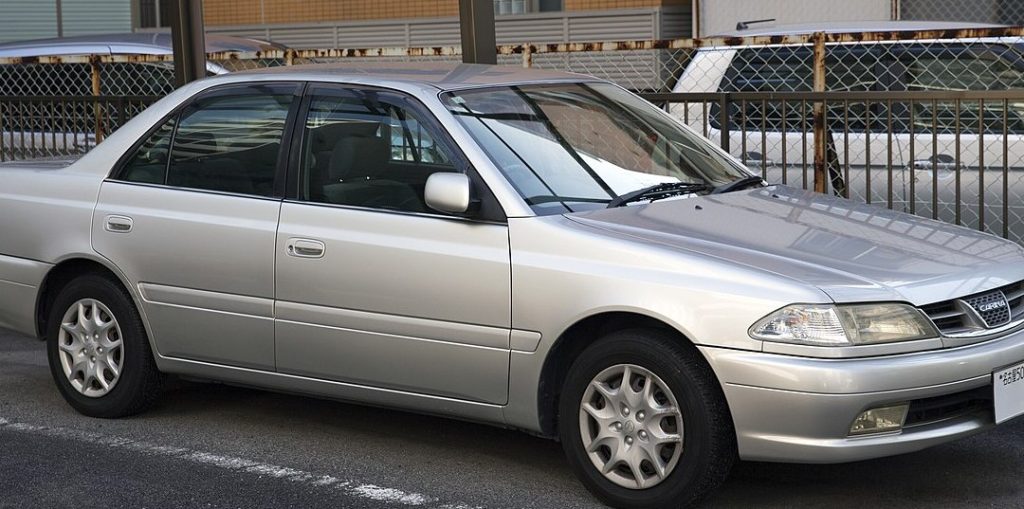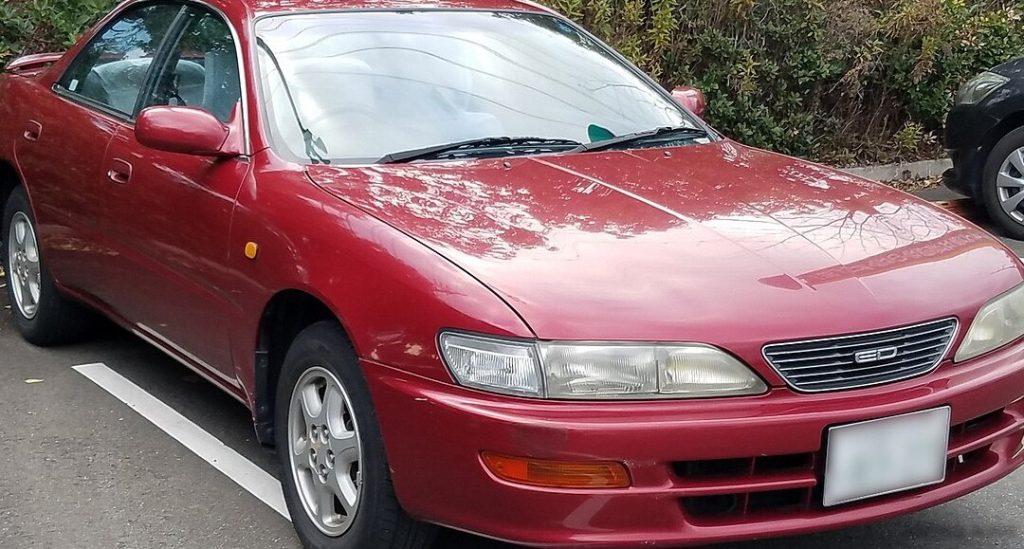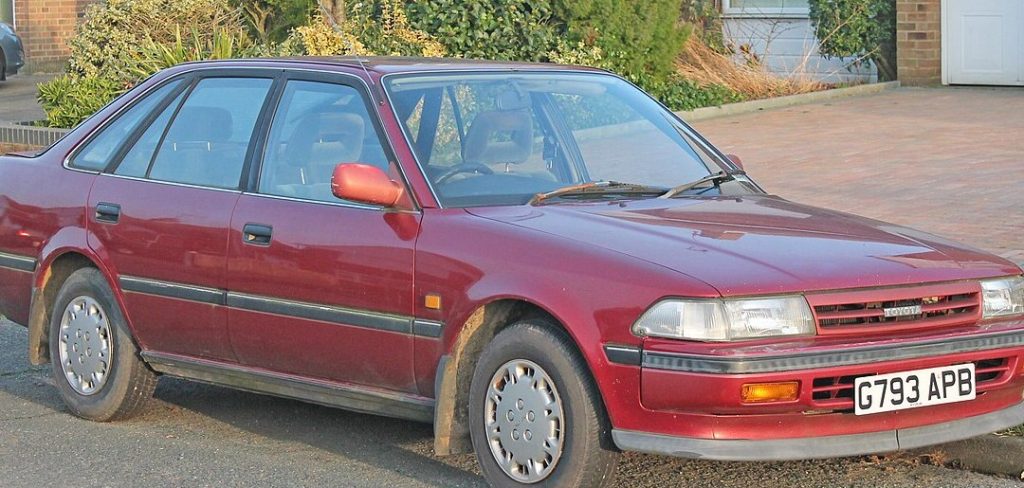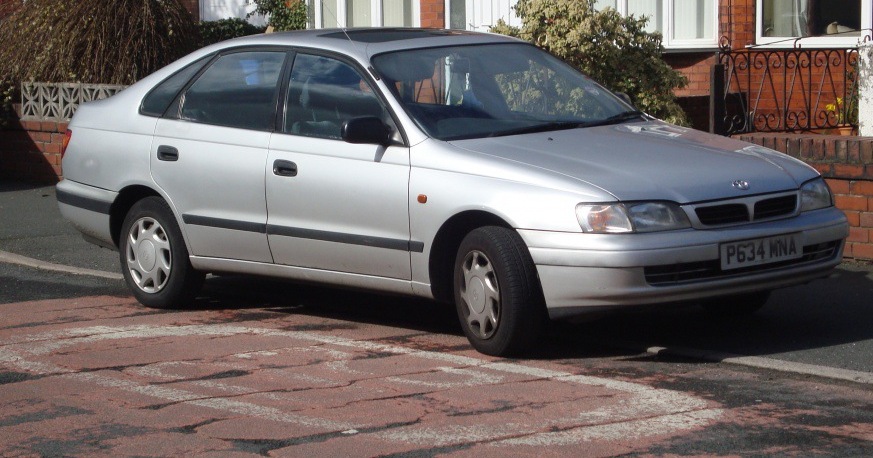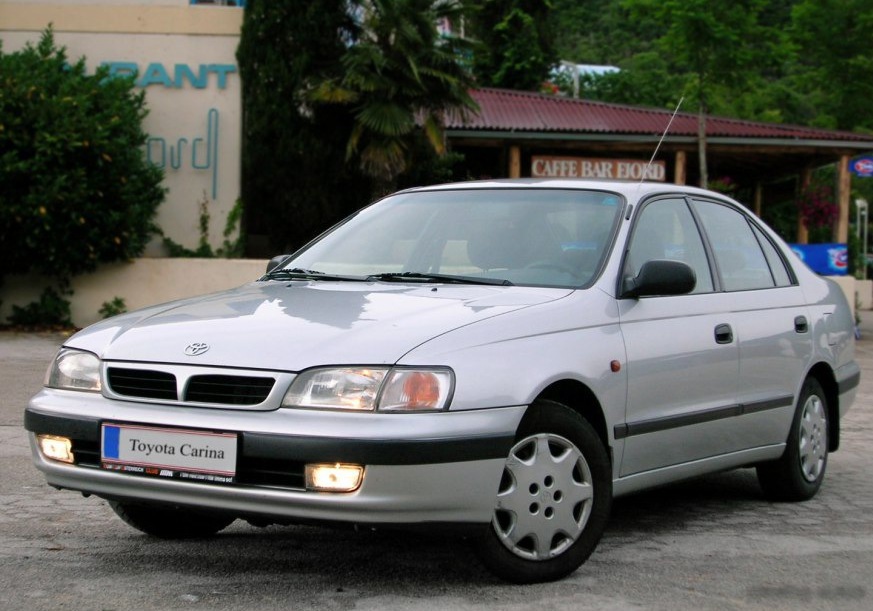
The Toyota Carina E (T19) 2.0 D SE 4WD, produced between 1992 and 1997, represented a niche offering within the broader Carina E range. Positioned as a practical, all-weather sedan, it catered to buyers seeking the reliability Toyota was known for, combined with the added security of a four-wheel-drive system. This variant, powered by the 2C diesel engine, was primarily sold in European and Asian markets where demand for fuel-efficient, durable, and capable vehicles was high. It occupied a middle ground in the Carina E lineup, offering a more robust drivetrain than the standard front-wheel-drive models, but lacking the performance of the gasoline-powered variants.
Technical Specifications
| Brand | Toyota |
| Model | Carina |
| Generation | Carina E (T19) |
| Type | 2.0 D SE (73 Hp) 4WD |
| Start of production | 1992 |
| End of production | 1997 |
| Powertrain Architecture | Internal Combustion engine |
| Body type | Sedan |
| Seats | 5 |
| Doors | 4 |
| Fuel Type | Diesel |
| Weight-to-power ratio | 17.7 kg/Hp |
| Hp/tonne | 56.6 Hp/tonne |
| Weight-to-torque ratio | 9.8 kg/Nm |
| Nm/tonne | 102.3 Nm/tonne |
| Power | 73 Hp @ 4600 rpm |
| Power per litre | 37 Hp/l |
| Torque | 132 Nm @ 2800 rpm (97.36 lb.-ft. @ 2800 rpm) |
| Engine layout | Front, Transverse |
| Engine Model/Code | 2C |
| Engine displacement | 1974 cm3 (120.46 cu. in.) |
| Number of cylinders | 4 |
| Engine configuration | Inline |
| Cylinder Bore | 86 mm (3.39 in.) |
| Piston Stroke | 85 mm (3.35 in.) |
| Compression ratio | 23:1 |
| Number of valves per cylinder | 2 |
| Fuel injection system | Precombustion chamber injection |
| Engine aspiration | Naturally aspirated |
| Valvetrain | OHC |
| Engine oil capacity | 5.3 l (5.6 US qt | 4.66 UK qt) |
| Coolant capacity | 7.3 l (7.71 US qt | 6.42 UK qt) |
| Kerb Weight | 1290 kg (2843.96 lbs.) |
| Max. weight | 1565 kg (3450.23 lbs.) |
| Max load | 275 kg (606.27 lbs.) |
| Fuel tank capacity | 60 l (15.85 US gal | 13.2 UK gal) |
| Length | 4455 mm (175.39 in.) |
| Width | 1695 mm (66.73 in.) |
| Height | 1410 mm (55.51 in.) |
| Wheelbase | 2580 mm (101.57 in.) |
| Front track | 1465 mm (57.68 in.) |
| Rear track | 1435 mm (56.5 in.) |
| Drive wheel | All wheel drive (4×4) |
| Number of gears | 5 |
| Gearbox type | Manual transmission |
| Front suspension | Spring Strut |
| Rear suspension | Coil spring |
| Front brakes | Ventilated discs |
| Rear brakes | Drum |
| Steering type | Steering rack and pinion |
| Tires size | 185/65 R14 S |
Powertrain & Engine Architecture
The heart of the Carina E 2.0 D SE 4WD is the Toyota 2C diesel engine. This 1.974-liter inline-four cylinder engine utilizes a precombustion chamber injection system, a common design for diesel engines of the era. This system improves combustion efficiency and reduces engine noise compared to direct injection. The 2C engine is known for its robustness and relatively simple design, contributing to its longevity. The engine produces 73 horsepower at 4600 rpm and 132 Nm (97.36 lb-ft) of torque at 2800 rpm. The five-speed manual transmission was the only gearbox option available with this engine and drivetrain combination. The transmission’s gear ratios were tuned for fuel efficiency and everyday drivability, rather than outright performance.
Driving Characteristics
The 2.0 D SE 4WD offered a distinctly different driving experience compared to the gasoline-powered Carina E models. Acceleration was modest, with the focus on providing sufficient torque for comfortable cruising and hauling passengers. The four-wheel-drive system provided enhanced traction in slippery conditions, making it a practical choice for regions with inclement weather. However, the added weight of the 4WD components and the relatively low horsepower output meant that the car wasn’t particularly sporty. The manual transmission allowed for a degree of driver control, but the engine’s limited power band required frequent gear changes to maintain momentum. Compared to the more powerful 2.0L gasoline variants, the diesel 4WD prioritized fuel economy and durability over outright speed.
Equipment & Trim Levels
The “SE” designation indicated a mid-range trim level. Standard equipment typically included power steering, central locking, electric windows, and a basic audio system. Interior upholstery was usually cloth, with a functional and durable design. Optional extras could include air conditioning, alloy wheels, and an upgraded audio system. The dashboard layout was typical of Toyota’s designs of the period, prioritizing ergonomics and ease of use. The 4WD system itself was a key feature of this trim, setting it apart from the standard Carina E models.
Chassis & Braking
The Carina E 2.0 D SE 4WD utilized a conventional suspension setup, with MacPherson struts at the front and coil springs at the rear. The suspension was tuned for comfort and stability, rather than sporty handling. The front brakes were ventilated discs, providing adequate stopping power, while the rear brakes were drums. This combination was typical for vehicles in this class at the time. The four-wheel-drive system added weight and complexity to the chassis, but also improved stability and traction, particularly on loose surfaces.
Market Reception & Comparison
The Carina E 2.0 D SE 4WD was generally well-received by automotive critics as a practical and reliable family sedan. Its fuel efficiency and all-weather capability were praised, but its modest performance was often noted. Compared to other diesel-powered sedans of the era, the Carina E offered a good balance of features, reliability, and affordability. Against its gasoline-powered siblings, it offered lower running costs but sacrificed performance. The 4WD system added a premium to the price, making it a less popular choice than the standard front-wheel-drive models.
Legacy
The Toyota Carina E 2.0 D SE 4WD has proven to be a durable and reliable vehicle, with many examples still on the road today. The 2C diesel engine is known for its longevity, and with proper maintenance, can provide many years of service. In the used car market, these models are often sought after by buyers looking for a dependable and fuel-efficient vehicle. While not a performance icon, the Carina E 2.0 D SE 4WD represents a solid and practical choice for those seeking a reliable and capable family sedan from the 1990s. Its blend of Toyota reliability, diesel efficiency, and all-wheel-drive capability continues to appeal to a niche segment of the automotive market.