
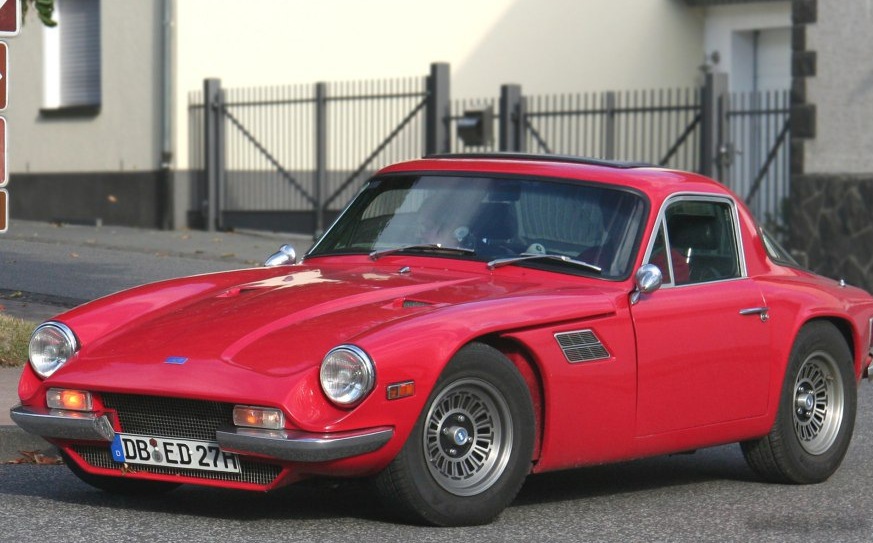
The TVR 3000 3.0 Turbo, produced between 1976 and 1980, represents a pivotal moment in the British sports car manufacturer’s history. This model, a coupe distinguished by its fiberglass body and potent turbocharged engine, was TVR’s attempt to break into a higher performance bracket and compete with established European marques. It was a relatively short-lived production run, but the 3000 Turbo cemented TVR’s reputation for building raw, exhilarating, and often unconventional sports cars. The car was based on the earlier TVR 3000 series, but significantly upgraded with turbocharging to deliver a substantial power increase.
Technical Specifications
| Brand | TVR |
| Model | 3000 |
| Generation | 3000 |
| Type (Engine) | 3.0 Turbo (230 Hp) |
| Start of Production | 1976 |
| End of Production | 1980 |
| Powertrain Architecture | Internal Combustion Engine |
| Body Type | Coupe |
| Fuel Type | Petrol (Gasoline) |
| Power | 230 Hp |
| Engine Aspiration | Turbocharger |
Powertrain & Engine Architecture
The heart of the TVR 3000 3.0 Turbo is its 2,997cc (approximately 3.0 liters) V6 engine. This engine wasn’t an in-house TVR design; it was sourced from Ford, specifically the Essex V6. However, TVR significantly modified it, most notably with the addition of a Garrett T25 turbocharger. This turbocharger boosted power output considerably, taking the engine from its naturally aspirated form’s roughly 160 horsepower to a claimed 230 horsepower. The engine featured a single overhead camshaft design, and fuel delivery was handled by a Bosch K-Jetronic mechanical fuel injection system. This system, while sophisticated for its time, could be prone to issues if not properly maintained. The turbocharger itself was relatively simple, lacking the complexity of modern wastegate and intercooler systems. This meant a degree of turbo lag was present, but when the boost arrived, it delivered a dramatic surge of power. The engine was mated to a five-speed manual transmission, as an automatic option wasn’t offered. The drivetrain was rear-wheel drive, contributing to the car’s lively handling characteristics.
Driving Characteristics
The TVR 3000 3.0 Turbo offered a driving experience that was distinctly raw and visceral. The combination of a lightweight fiberglass body and the turbocharged V6 resulted in impressive acceleration for the late 1970s. While precise performance figures are difficult to verify, contemporary road tests suggested a 0-60 mph time of around 5.5 to 6 seconds, and a top speed approaching 150 mph. The turbo lag was noticeable, requiring the driver to keep the engine revved to maintain boost. Once on boost, however, the power delivery was strong and immediate. The car’s suspension, consisting of independent double wishbones all around, provided a firm ride, prioritizing handling over comfort. Steering was unassisted, requiring considerable effort at low speeds but providing excellent feedback. The lack of modern driver aids meant that the TVR 3000 3.0 Turbo demanded respect and skill from its driver, particularly in wet or slippery conditions. It wasn’t a car for the faint of heart.
Equipment & Trim Levels
The TVR 3000 3.0 Turbo was relatively spartan in terms of equipment, reflecting its focus on performance. Interior appointments were basic but functional. Standard features included leather seats, a wood-rimmed steering wheel, and a comprehensive set of gauges, including boost pressure and oil temperature. The dashboard layout was simple and driver-focused. Options were limited but could include upgraded audio systems and auxiliary lighting. The interior trim was generally of good quality for the period, but the fiberglass construction of the body meant that the cabin could be noisy, particularly at higher speeds. The car’s exterior styling was characterized by its wedge-shaped profile and distinctive gullwing-style headlights. Paint options were varied, and customers could specify custom color schemes.
Chassis & Braking
The TVR 3000 3.0 Turbo utilized a tubular steel chassis, providing a strong and lightweight foundation for the car. The fiberglass body panels were bonded directly to the chassis, contributing to the car’s overall rigidity. The suspension system, as mentioned previously, consisted of independent double wishbones all around, with coil springs and telescopic shock absorbers. Braking was provided by disc brakes on all four wheels, although the rear discs were smaller than those at the front. Power assistance wasn’t standard, requiring a firm pedal effort. The car’s relatively low weight helped to offset the lack of power assistance, providing adequate stopping power for most driving situations. However, the braking system wasn’t particularly sophisticated by modern standards, and fade could be an issue under hard use.
Market Reception & Comparison
The TVR 3000 3.0 Turbo was generally well-received by automotive journalists of the time. It was praised for its performance, handling, and distinctive styling. However, it was also criticized for its lack of refinement, turbo lag, and occasional build quality issues. Compared to other sports cars of the era, such as the Porsche 911 and the Lotus Esprit, the TVR 3000 3.0 Turbo offered a more raw and visceral driving experience at a lower price point. It appealed to drivers who prioritized performance over comfort and were willing to accept a few compromises. Fuel economy was predictably poor, given the turbocharged engine and relatively unsophisticated fuel injection system. Reliability could also be a concern, particularly with the turbocharger and fuel injection system requiring regular maintenance.
Legacy
The TVR 3000 3.0 Turbo, despite its short production run, remains a significant model in TVR’s history. It demonstrated the company’s ability to produce high-performance sports cars that could compete with established European manufacturers. Today, the 3000 3.0 Turbo is a sought-after classic car, particularly among TVR enthusiasts. Values have been steadily increasing in recent years, reflecting the car’s rarity and desirability. However, potential buyers should be aware of the challenges associated with owning a classic TVR, including the availability of spare parts and the need for specialized maintenance. The turbocharged Essex V6 engine, while potent, requires careful attention to ensure its continued reliability. Overall, the TVR 3000 3.0 Turbo represents a unique and exciting chapter in British sports car history, a testament to TVR’s commitment to building cars that were anything but ordinary.
