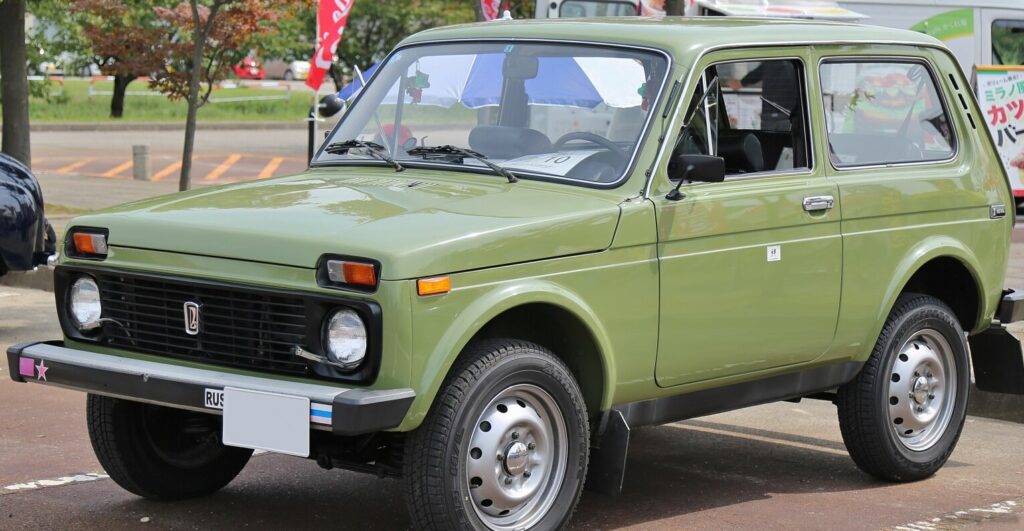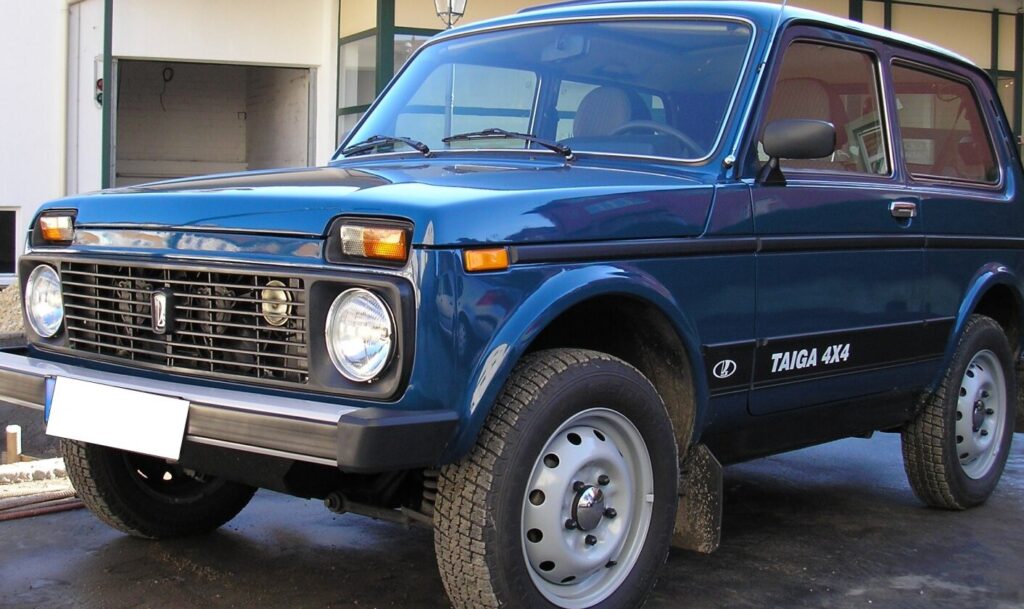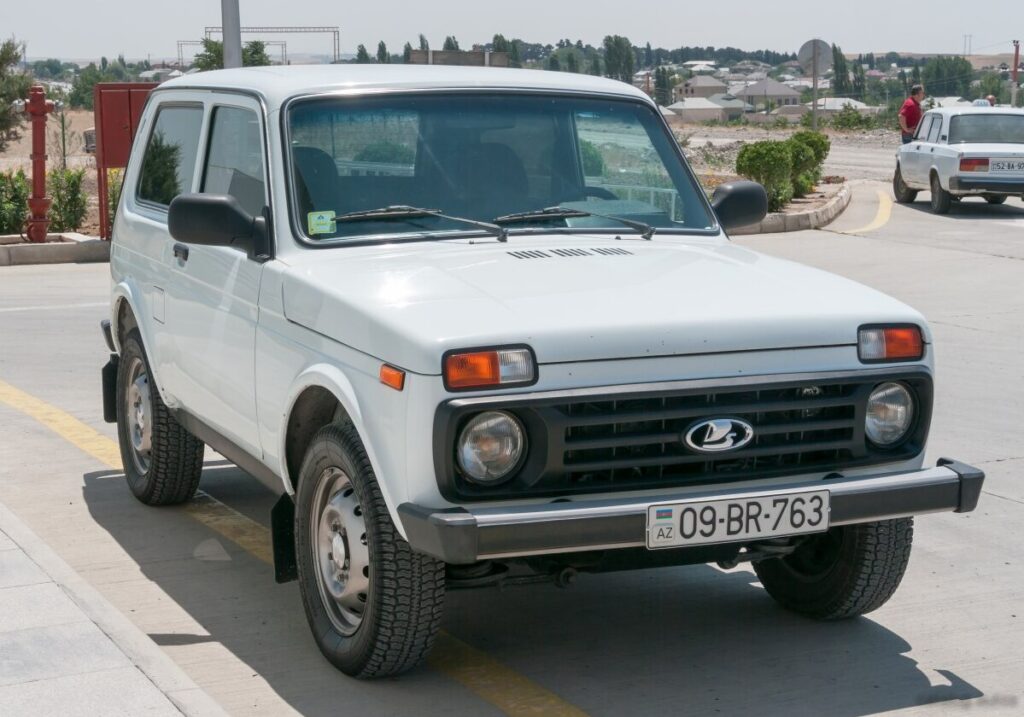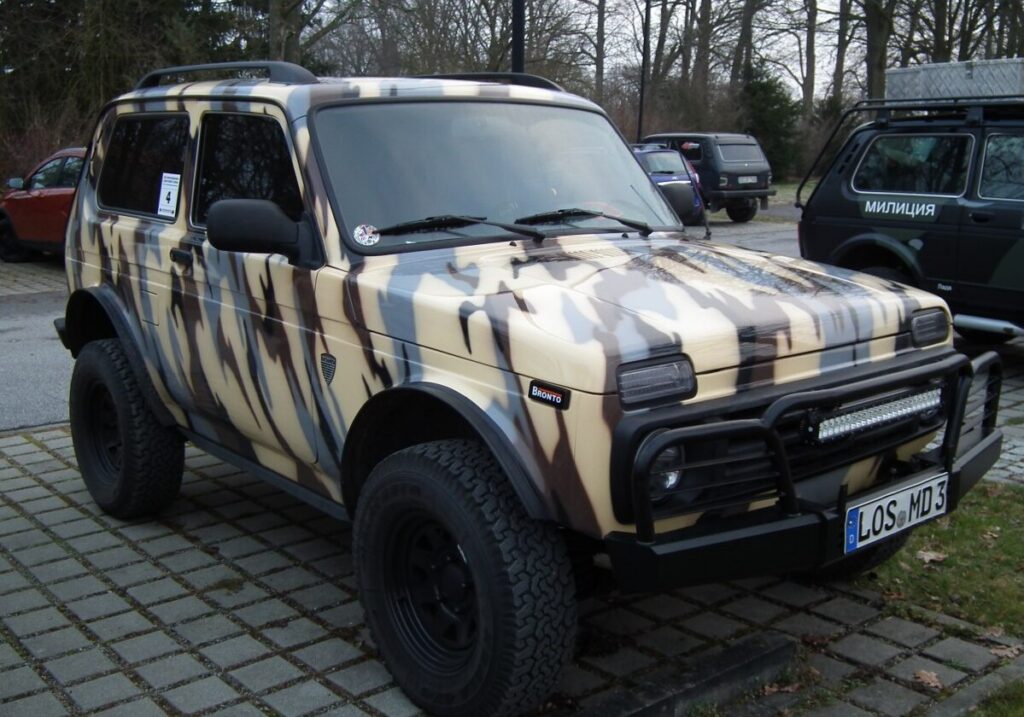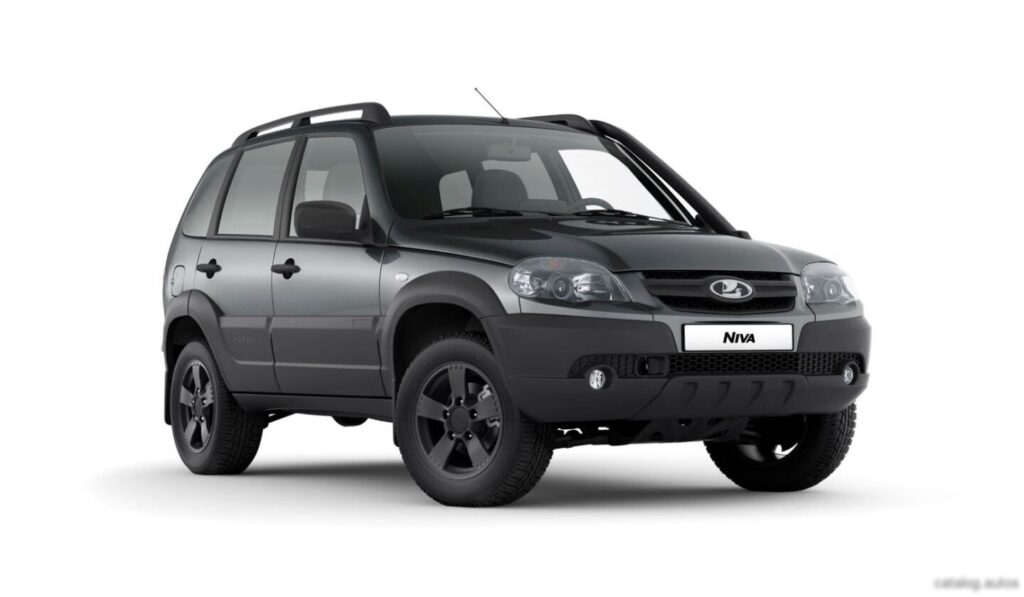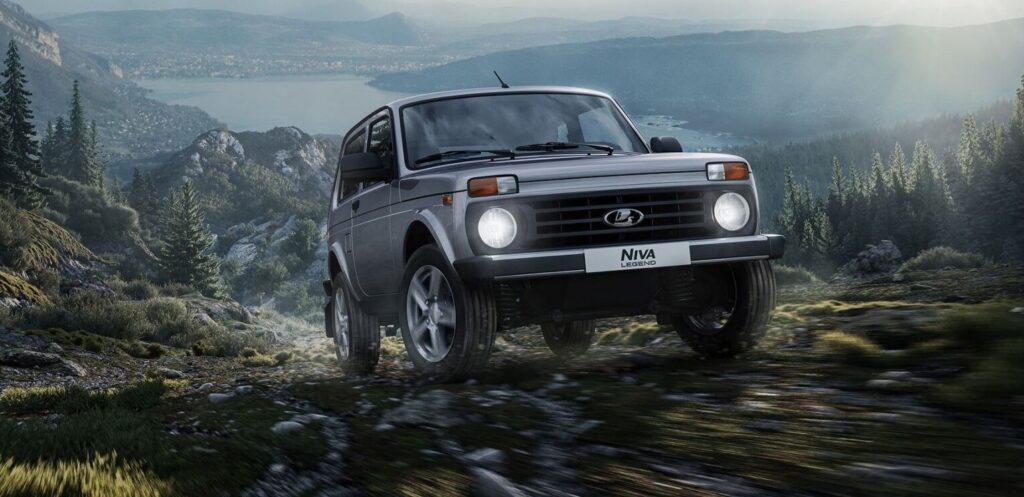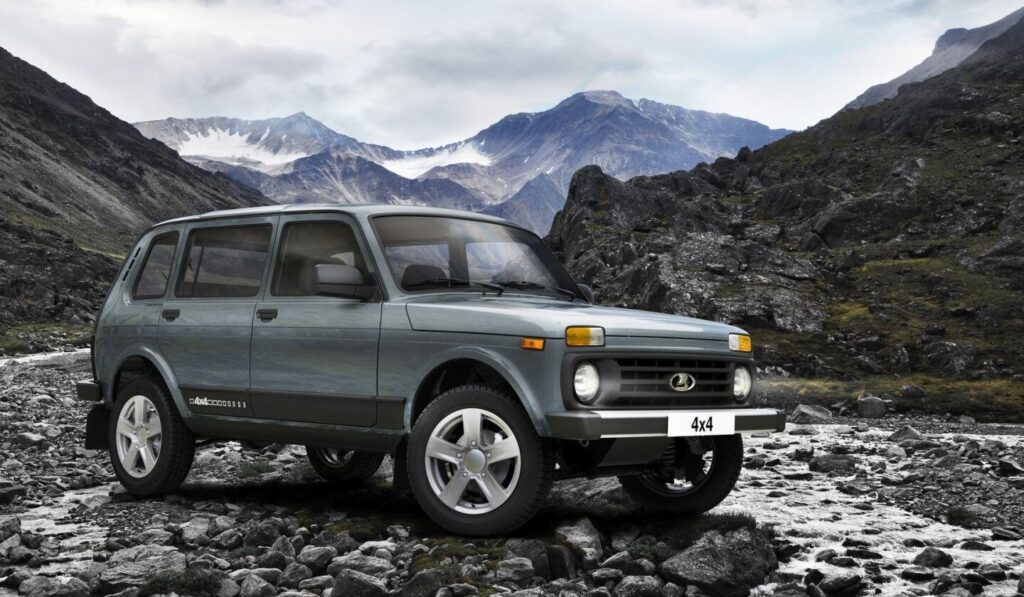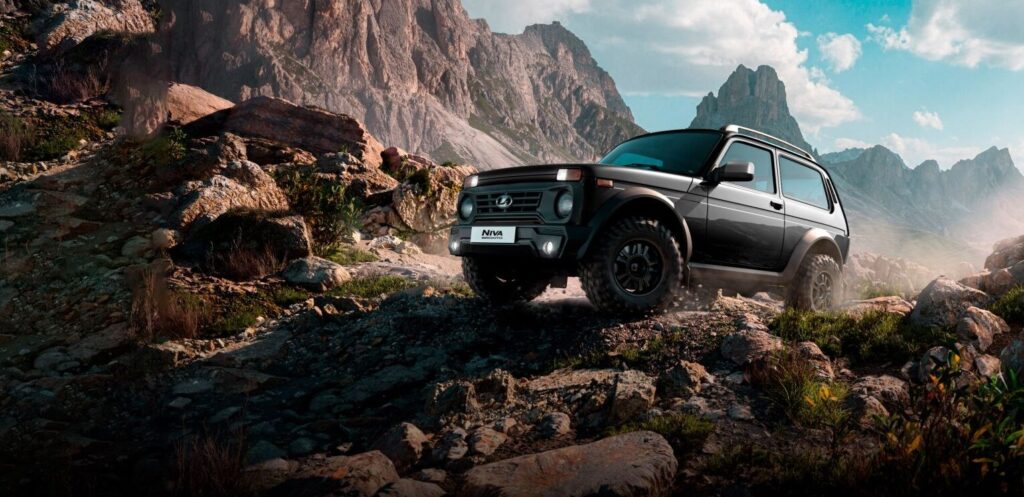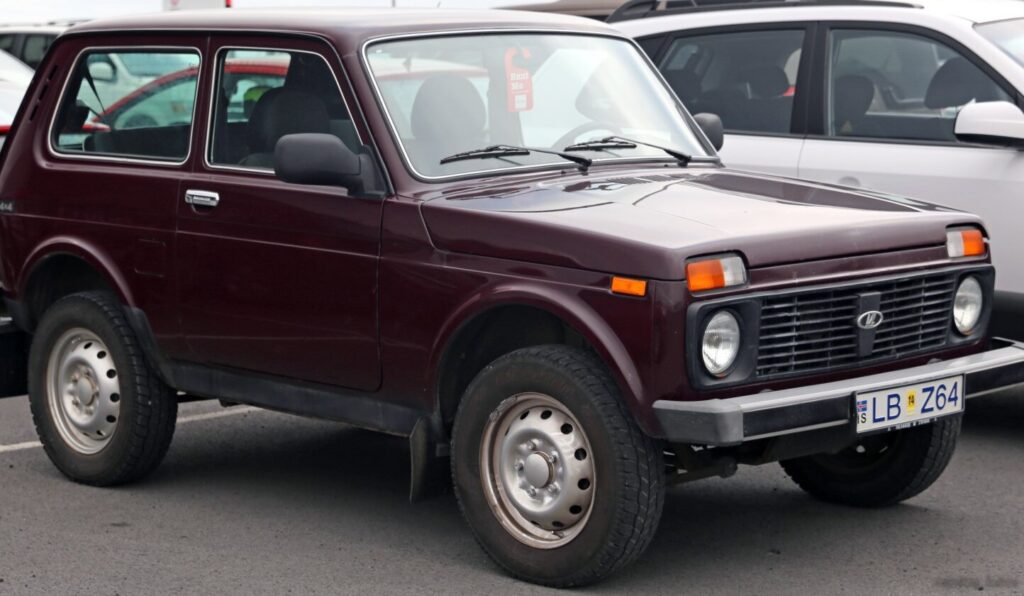
The Lada Niva 3-door, specifically the facelifted version produced from 2009 to 2016, represents a continuation of a remarkably enduring design. This iteration, powered by the 1.7-liter inline-four engine producing 81 horsepower, was a mainstay in the Russian and Eastern European markets, known for its rugged simplicity and off-road capability. Positioned as the entry-level offering within the Niva range, it provided affordable four-wheel drive transportation, prioritizing functionality over refinement. The 2009 facelift brought minor cosmetic updates and incremental improvements to the basic, yet robust, platform that had been in production since the 1970s.
Technical Specifications
| Brand | Lada |
| Model | Niva |
| Generation | Niva 3-door (facelift 2009) |
| Type (Engine) | 1.7i (81 Hp) 4×4 |
| Start of production | 2009 |
| End of production | 2016 |
| Powertrain Architecture | Internal Combustion engine |
| Body type | SUV |
| Seats | 4 |
| Doors | 3 |
| Fuel consumption (combined) | 10.8 l/100 km (21.8 US mpg, 26.2 UK mpg, 9.3 km/l) |
| Fuel Type | Petrol (Gasoline) |
| Acceleration 0 – 100 km/h | 17 sec |
| Acceleration 0 – 62 mph | 17 sec |
| Acceleration 0 – 60 mph | 16.2 sec |
| Maximum speed | 142 km/h (88.23 mph) |
| Weight-to-power ratio | 14.9 kg/Hp, 66.9 Hp/tonne |
| Power | 81 Hp @ 5000 rpm |
| Power per litre | 47.9 Hp/l |
| Maximum engine speed | 6200 rpm |
| Engine layout | Front, Longitudinal |
| Engine Model/Code | VAZ-21214 |
| Engine displacement | 1690 cm3 (103.13 cu. in.) |
| Number of cylinders | 4 |
| Engine configuration | Inline |
| Cylinder Bore | 82 mm (3.23 in.) |
| Piston Stroke | 80 mm (3.15 in.) |
| Compression ratio | 9.3:1 |
| Number of valves per cylinder | 2 |
| Fuel injection system | Multi-port manifold injection |
| Engine aspiration | Naturally aspirated engine |
| Valvetrain | SOHC |
| Engine oil capacity | 3.75 l (3.96 US qt | 3.3 UK qt) |
| Coolant | 10.7 l (11.31 US qt | 9.41 UK qt) |
| Kerb Weight | 1210 kg (2667.59 lbs.) |
| Max. weight | 1610 kg (3549.44 lbs.) |
| Max load | 400 kg (881.85 lbs.) |
| Fuel tank capacity | 42 l (11.1 US gal | 9.24 UK gal) |
| Max. roof load | 50 kg (110.23 lbs.) |
| Permitted trailer load with brakes (12%) | 600 kg (1322.77 lbs.) |
| Permitted trailer load without brakes | 300 kg (661.39 lbs.) |
| Permitted towbar download | 50 kg (110.23 lbs.) |
| Length | 3740 mm (147.24 in.) |
| Width | 1680 mm (66.14 in.) |
| Width including mirrors | 2019 mm (79.49 in.) |
| Height | 1640 mm (64.57 in.) |
| Wheelbase | 2200 mm (86.61 in.) |
| Front track | 1440 mm (56.69 in.) |
| Rear (Back) track | 1420 mm (55.91 in.) |
| Front overhang | 705 mm (27.76 in.) |
| Rear overhang | 835 mm (32.87 in.) |
| Ride height (ground clearance) | 213 mm (8.39 in.) |
| Minimum turning circle | 11 m (36.09 ft.) |
| Wading depth | 500 mm (19.69 in.) |
| Drivetrain Architecture | All wheel drive (4×4). ICE drives permanently the four wheels. |
| Number of gears and type of gearbox | 5 gears, manual transmission |
| Front suspension | Independent coil spring |
| Rear suspension | dependent spring suspension |
| Front brakes | Disc |
| Rear brakes | Drum |
| Tires size | 185/75 R16 |
| Wheel rims size | 5J x 16 |
Powertrain & Engine Architecture
The heart of this Niva variant is the VAZ-21214 engine, a 1.7-liter inline-four cylinder gasoline engine. This engine is a descendant of the original Niva engine design, continually refined over decades. It features a single overhead camshaft (SOHC) valvetrain operating two valves per cylinder. Fuel delivery is managed by a multi-port fuel injection system, a significant upgrade from the carburetor systems found on earlier Nivas. While relatively simple by modern standards, the engine is known for its durability and tolerance of poor maintenance. The engine’s longitudinal mounting and the permanent four-wheel drive system contribute to the Niva’s off-road prowess. The 5-speed manual transmission is a robust unit, designed to handle the stresses of off-road driving. It’s characterized by relatively long gearing, prioritizing low-end torque over outright acceleration.
Driving Characteristics
The 81 horsepower and 103 lb-ft of torque produced by the 1.7-liter engine translate to modest on-road performance. Acceleration is slow, with a 0-60 mph time of around 16.2 seconds. The long gearing of the manual transmission further emphasizes the engine’s low-end grunt, making it well-suited for crawling over obstacles. However, this also means that highway cruising requires frequent downshifts to maintain speed, and engine noise can be considerable. The Niva’s true strength lies off-road. The permanent four-wheel drive system, coupled with a short wheelbase and high ground clearance, allows it to navigate challenging terrain with ease. The suspension, while basic, provides a reasonable level of comfort on rough surfaces. Steering is direct, but requires effort, and the vehicle exhibits noticeable body roll in corners.
Equipment & Trim Levels
The 2009 facelifted Niva 3-door 1.7i was a fairly spartan vehicle, even by Eastern European standards. Standard equipment typically included basic steel wheels, vinyl or cloth upholstery, and a simple dashboard layout. Power steering was often an optional extra, as were features like central locking and electric windows. The interior prioritized practicality and durability over luxury. Trim levels were minimal, with most variations revolving around optional extras. The focus was on providing a functional and affordable 4×4, rather than a well-equipped one.
Chassis & Braking
The Niva’s chassis is a body-on-frame construction, contributing to its robustness and off-road capability. Front suspension utilizes independent coil springs, while the rear employs a dependent spring suspension with a solid axle. This setup provides good articulation for off-road use. Braking is handled by disc brakes at the front and drum brakes at the rear. The braking system is adequate for normal use, but lacks the stopping power of more modern vehicles. The relatively narrow tires (typically 185/75 R16) contribute to a reasonable ride on rough surfaces, but limit on-road grip.
Market Reception & Comparison
The Niva 3-door 1.7i was primarily sold in Russia, Ukraine, and other Eastern European countries. It was viewed as a practical and affordable option for those needing a capable off-road vehicle. Critics often noted its basic interior, slow performance, and relatively poor fuel economy (around 21.8 mpg). However, its low price, ruggedness, and off-road prowess were consistently praised. Compared to other Niva variants, such as those with larger engines, the 1.7i offered a more economical option, albeit with significantly reduced performance. It appealed to buyers who prioritized affordability and off-road capability over speed and refinement.
Legacy
The Lada Niva, in all its iterations, has achieved a cult following among off-road enthusiasts. The 1.7-liter engine, while not particularly powerful, has proven to be remarkably durable and reliable. Today, these Nivas are relatively affordable on the used car market, making them popular choices for those seeking a simple, rugged, and capable 4×4. Parts availability can be a challenge in some regions, but the Niva’s simple design makes it relatively easy to repair. The Niva’s enduring design and off-road capability have cemented its place as a classic in the world of affordable 4x4s.