
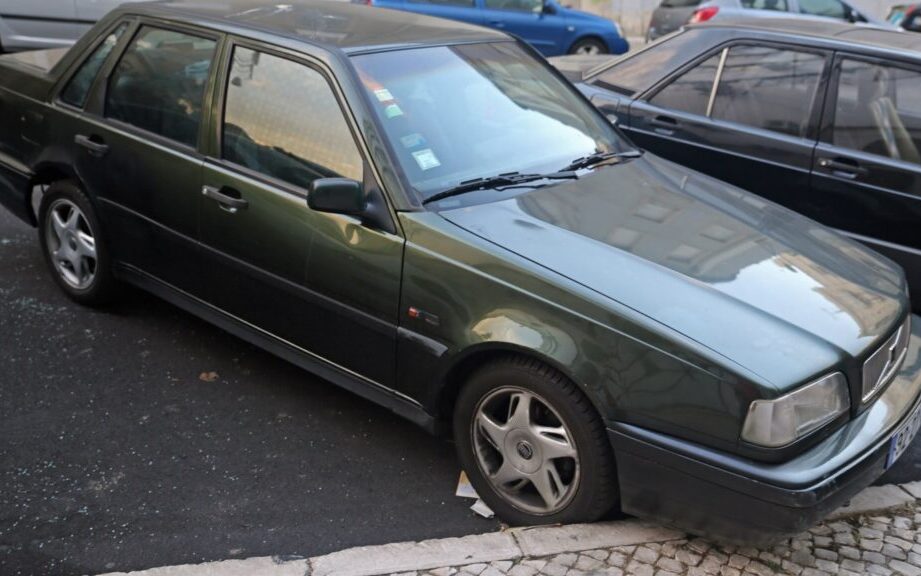
The Volvo 460 L 2.0 Automatic, produced between 1993 and 1995, represented a refinement within Volvo’s 400 series, a line of compact sedans designed to appeal to a broader European market. This variant, designated internally as the 464, featured a 2.0-liter inline-four engine paired with a four-speed automatic transmission. It occupied a mid-range position in the 460 L lineup, offering a balance between performance and convenience, aimed at buyers prioritizing comfort over outright sportiness. The 460 series, and specifically this 2.0 Automatic, was Volvo’s attempt to compete directly with German and Japanese offerings in the burgeoning compact executive segment.
Technical Specifications
| Brand | Volvo |
| Model | 460 L |
| Generation | 460 L (464) |
| Type (Engine) | 2.0 (110 Hp) Automatic |
| Start of production | 1993 |
| End of production | 1995 |
| Powertrain Architecture | Internal Combustion engine |
| Body type | Sedan |
| Seats | 5 |
| Doors | 4 |
| Fuel consumption (urban) | 11.1 l/100 km (21.2 US mpg) |
| Fuel consumption (extra urban) | 5.9 l/100 km (39.9 US mpg) |
| Fuel consumption (combined) | 8.1 l/100 km (29 US mpg) |
| Fuel Type | Petrol (Gasoline) |
| Acceleration 0 – 100 km/h | 11.6 sec |
| Acceleration 0 – 62 mph | 11.6 sec |
| Acceleration 0 – 60 mph | 11 sec |
| Maximum speed | 185 km/h (114.95 mph) |
| Weight-to-power ratio | 9.4 kg/Hp |
| Weight-to-torque ratio | 6.2 kg/Nm |
| Power | 110 Hp @ 5500 rpm |
| Torque | 165 Nm @ 3500 rpm (121.7 lb.-ft. @ 3500 rpm) |
| Engine layout | Front, Transverse |
| Engine Model/Code | B20F116 |
| Engine displacement | 1998 cm3 (121.93 cu. in.) |
| Number of cylinders | 4 |
| Engine configuration | Inline |
| Cylinder Bore | 82.7 mm (3.26 in.) |
| Piston Stroke | 93 mm (3.66 in.) |
| Compression ratio | 9.5:1 |
| Number of valves per cylinder | 2 |
| Fuel injection system | Multi-port manifold injection |
| Engine aspiration | Naturally aspirated |
| Valvetrain | OHC |
| Engine oil capacity | 5 l (5.28 US qt | 4.4 UK qt) |
| Coolant capacity | 7 l (7.4 US qt | 6.16 UK qt) |
| Kerb Weight | 1030 kg (2270.76 lbs.) |
| Max. weight | 1520 kg (3351.03 lbs.) |
| Max load | 490 kg (1080.27 lbs.) |
| Trunk (boot) space – minimum | 453 l (16 cu. ft.) |
| Trunk (boot) space – maximum | 948 l (33.48 cu. ft.) |
| Fuel tank capacity | 60 l (15.85 US gal | 13.2 UK gal) |
| Length | 4435 mm (174.61 in.) |
| Width | 1686 mm (66.38 in.) |
| Height | 1378 mm (54.25 in.) |
| Wheelbase | 2503 mm (98.54 in.) |
| Front track | 1416 mm (55.75 in.) |
| Rear track | 1426 mm (56.14 in.) |
| Drivetrain Architecture | Front wheel drive |
| Number of gears | 4 |
| Gearbox type | Automatic transmission |
| Front suspension | Wishbone |
| Rear suspension | Coil spring |
| Front brakes | Disc |
| Rear brakes | Disc |
| Assisting systems | ABS (Anti-lock braking system) |
| Steering type | Steering rack and pinion |
| Power steering | Hydraulic |
| Tires size | 175/65 R14 |
| Wheel rims size | 14 |
Powertrain & Engine Architecture
The heart of the 460 L 2.0 Automatic is the B20F116 engine, a 1998cc inline-four cylinder unit. This engine utilizes a single overhead camshaft (OHC) design, operating two valves per cylinder. Fuel delivery is managed by a multi-port fuel injection system, contributing to improved efficiency and smoother operation compared to earlier carbureted Volvo engines. The B20F engine family was known for its robustness and relatively simple design, making it easier to maintain. The four-speed automatic transmission, while not particularly advanced by modern standards, provided smooth shifts and enhanced driving comfort. It was a common automatic transmission used in various Volvo models of the era. The transmission’s gear ratios were tuned for fuel economy and relaxed cruising, rather than aggressive acceleration.
Driving Characteristics
The 460 L 2.0 Automatic offered a comfortable, if not particularly exhilarating, driving experience. With 110 horsepower and 121.7 lb-ft of torque, acceleration from 0-60 mph took around 11 seconds. The automatic transmission, while convenient, did sap some power compared to the available five-speed manual version. The gear ratios were spaced to prioritize fuel efficiency, meaning the engine often felt strained during quick overtaking maneuvers. However, for everyday commuting and long-distance journeys, the automatic provided a relaxed and effortless driving experience. The front-wheel-drive configuration offered predictable handling, although it lacked the dynamic sharpness of rear-wheel-drive competitors.
Equipment & Trim Levels
The 460 L 2.0 Automatic typically came equipped with features considered standard for a compact executive car in the early 1990s. This included power steering, central locking, and a basic stereo system. Interior upholstery was typically cloth, with options for upgraded velour or leather available. Dashboard design was functional and understated, typical of Volvo’s design philosophy at the time. Optional extras included a sunroof, alloy wheels, and upgraded audio systems. Safety features, a Volvo hallmark, were also present, including ABS anti-lock brakes.
Chassis & Braking
The 460 L utilized a relatively simple chassis design. Front suspension employed a wishbone setup, while the rear featured a coil spring arrangement. Brakes were disc brakes on all four wheels, providing adequate stopping power for the vehicle’s weight and performance. The ABS system further enhanced braking safety, particularly on slippery surfaces. Stabilizer bars were fitted to both the front and rear axles to reduce body roll during cornering, contributing to a more stable driving experience.
Market Reception & Comparison
The 460 L 2.0 Automatic received mixed reviews from automotive critics. While praised for its comfort, safety, and build quality, it was often criticized for its uninspiring performance and somewhat dated styling. Compared to the manual transmission version, the automatic suffered a noticeable performance penalty. Fuel economy was respectable for the time, averaging around 29 US mpg in combined driving. Compared to rivals like the BMW 318i and Mercedes-Benz C180, the 460 L offered a more affordable entry point, but lacked the prestige and driving dynamics of its German competitors.
Legacy
The Volvo 460 L 2.0 Automatic, while not a groundbreaking vehicle, represents an important chapter in Volvo’s history. The B20F engine proved to be a reliable and durable unit, and many examples are still on the road today. The automatic transmission, while not known for its sophistication, is generally considered to be reliable with proper maintenance. In the used car market, the 460 L 2.0 Automatic is often sought after by Volvo enthusiasts and those looking for a comfortable, safe, and affordable classic car. Its simplicity and relatively low running costs make it an appealing option for those seeking a vintage vehicle that is easy to maintain.
