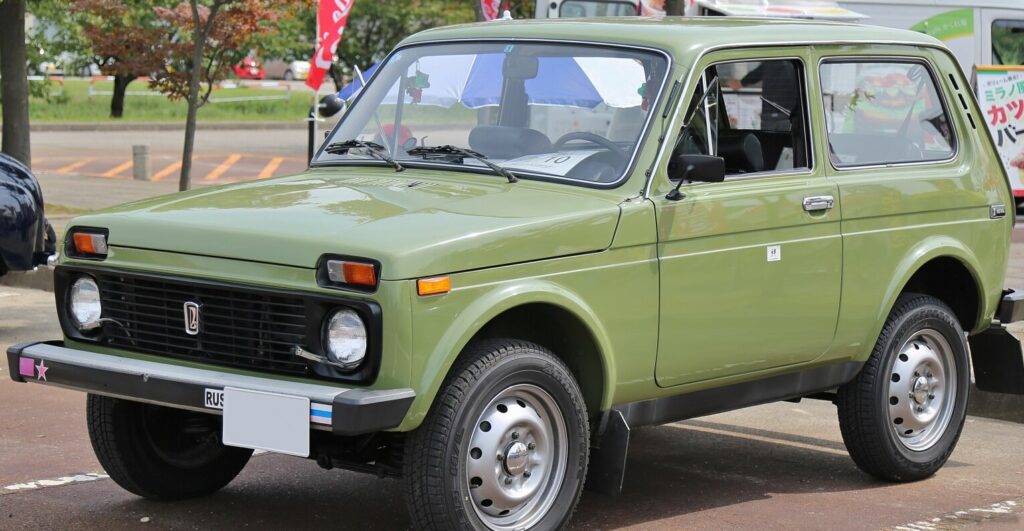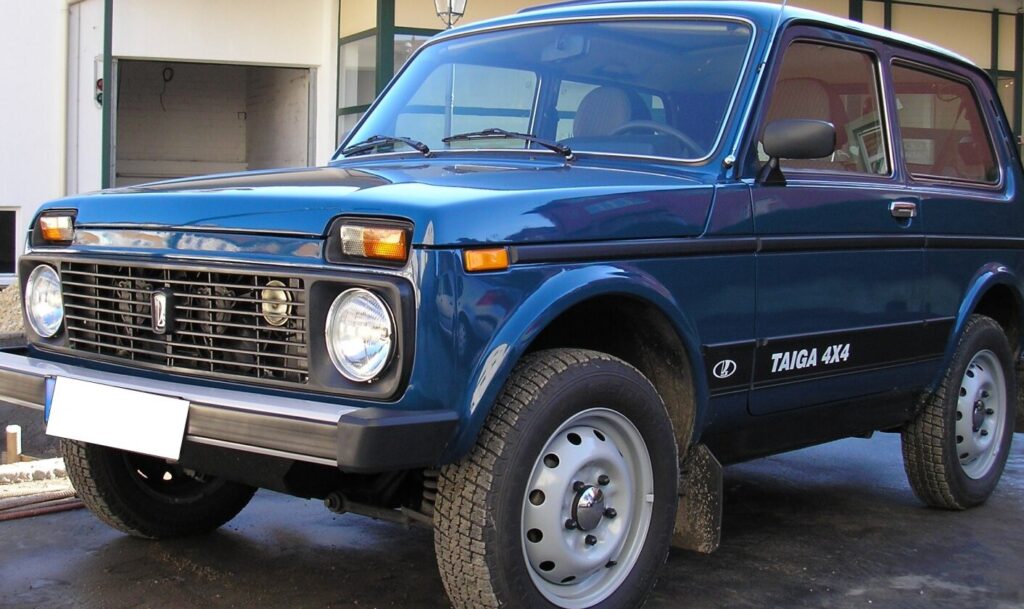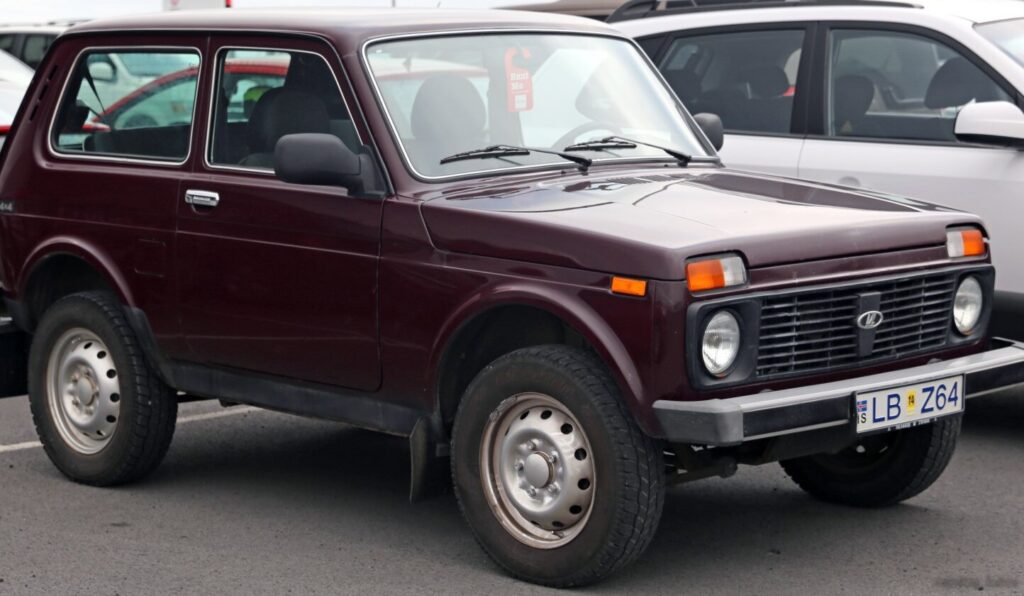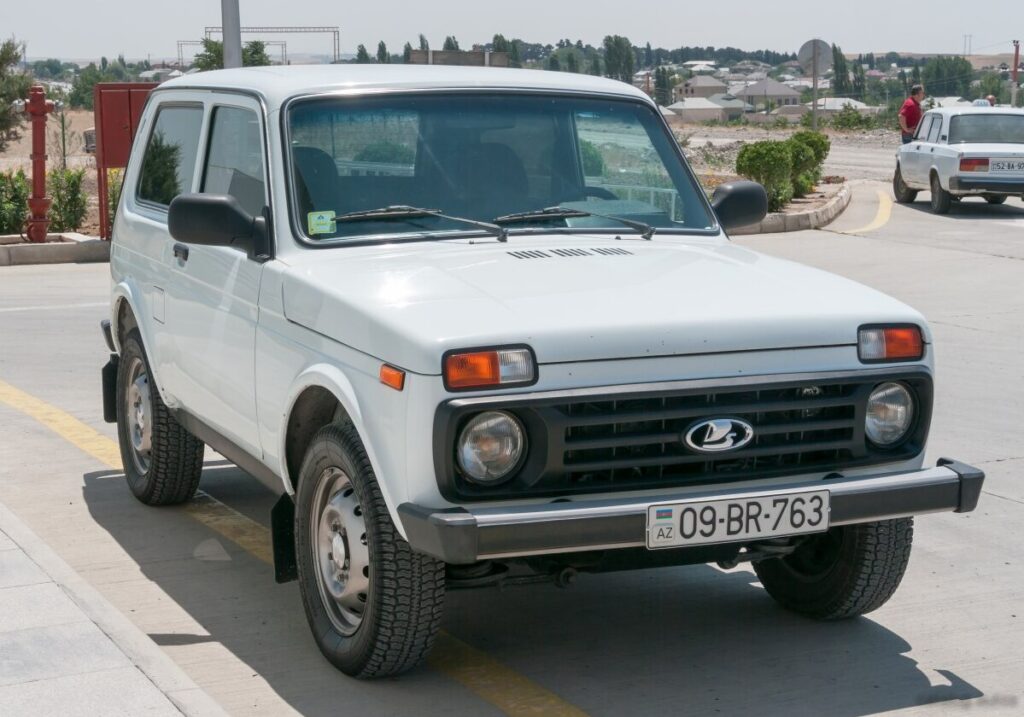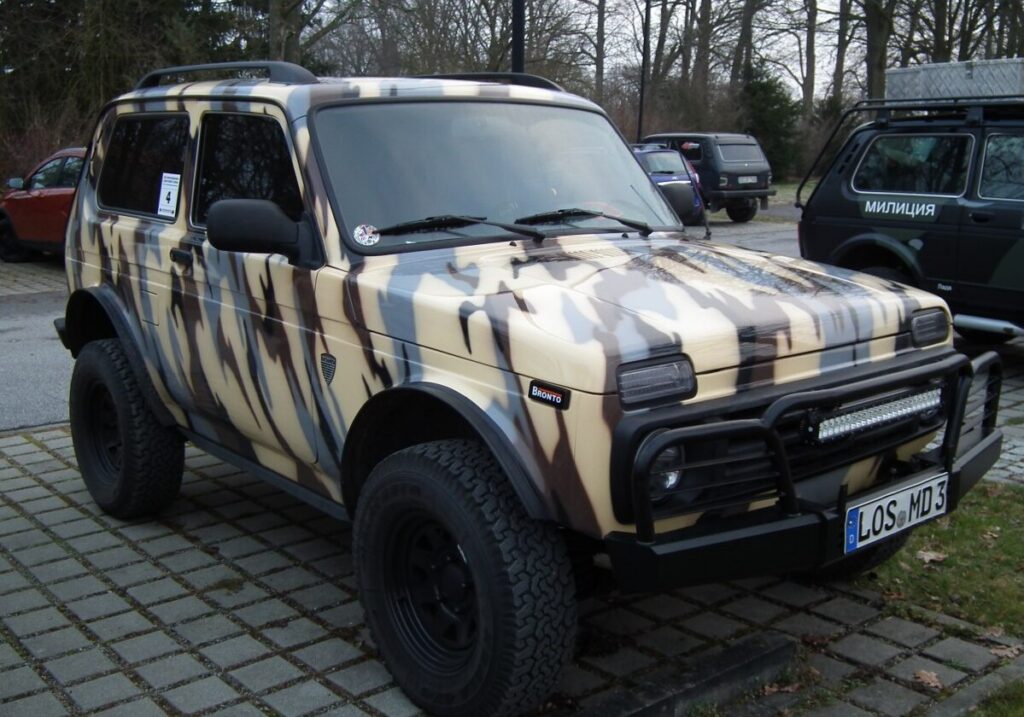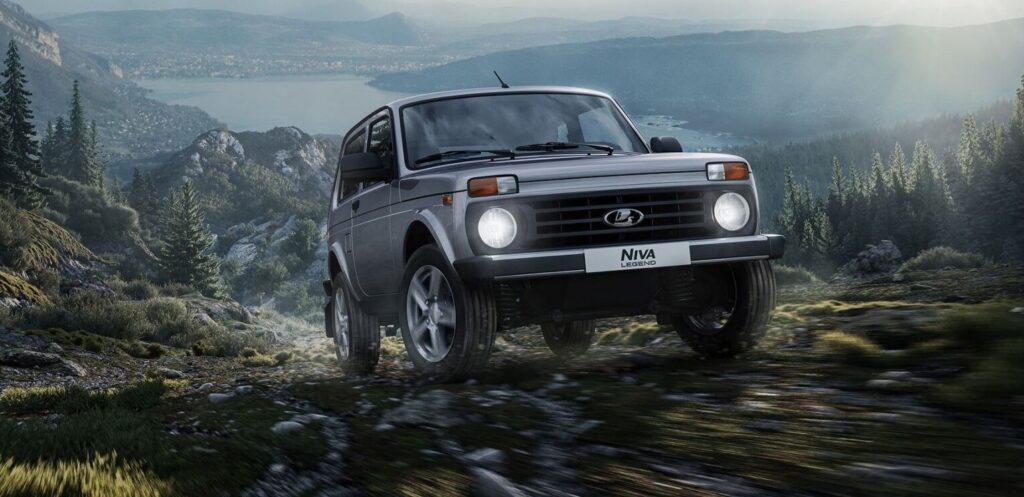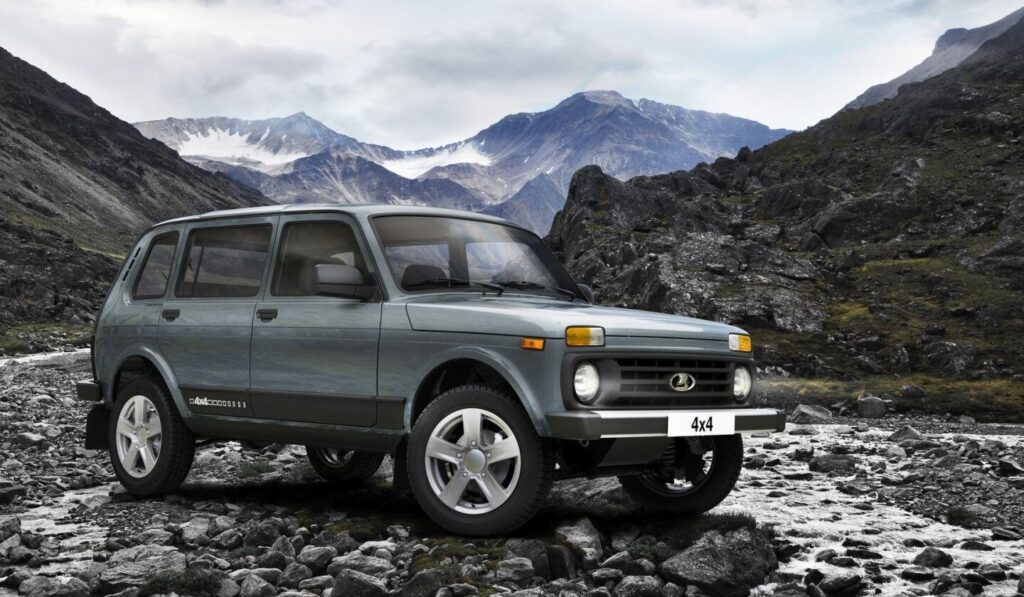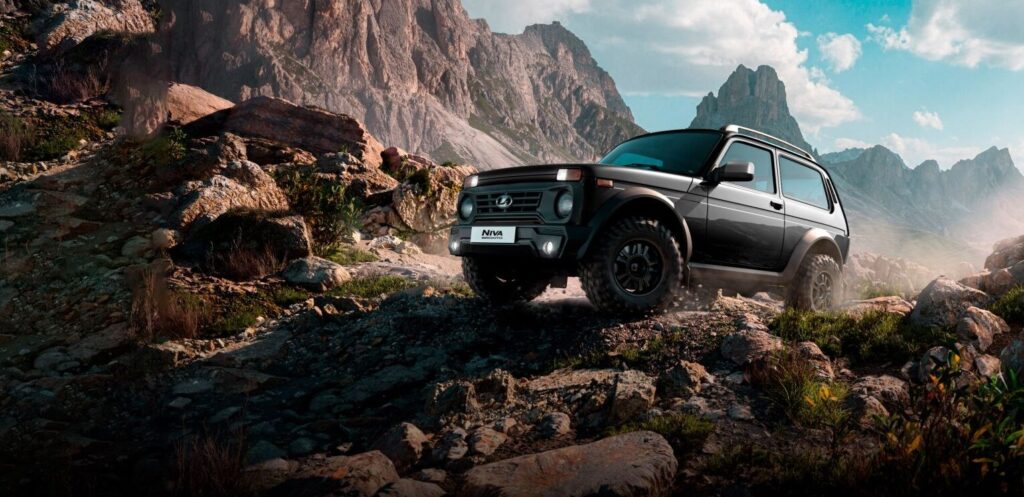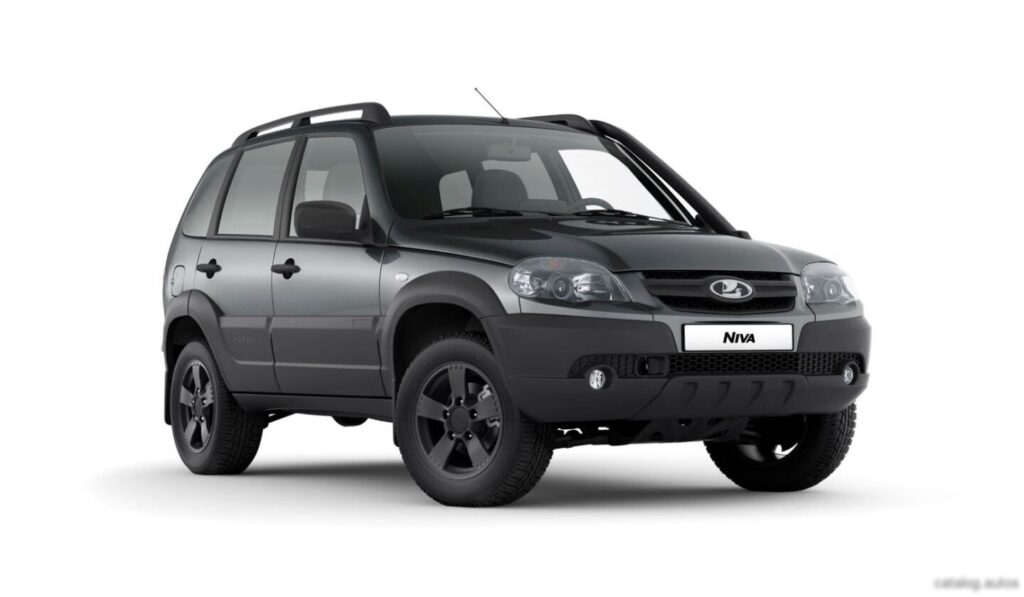
The Lada Niva II 1.7 (80 hp) 4×4, produced from 2020 to 2021, represents a continuation of the iconic Niva lineage, a vehicle renowned for its rugged off-road capability and simple, robust design. This variant occupied the entry-level position within the Niva II range, offering a more affordable option for buyers prioritizing functionality over outright performance. It built upon the foundation of the original Niva (VAZ-2121), which first appeared in 1977, and aimed to modernize the formula while retaining the core characteristics that made the Niva a favorite among those needing a dependable, go-anywhere vehicle. The Niva II, while visually similar to its predecessor, incorporated numerous improvements in terms of comfort, safety, and refinement.
Technical Specifications
| Brand | Lada |
| Model | Niva |
| Generation | Niva II |
| Type (Engine) | 1.7 (80 Hp) 4×4 |
| Start of production | 2020 |
| End of production | 2021 |
| Powertrain Architecture | Internal Combustion engine |
| Body type | SUV |
| Seats | 5 |
| Doors | 5 |
| Fuel consumption (urban) | 13.4 l/100 km (17.6 US mpg, 21.1 UK mpg, 7.5 km/l) |
| Fuel consumption (extra urban) | 8.5 l/100 km (27.7 US mpg, 33.2 UK mpg, 11.8 km/l) |
| Fuel consumption (combined) | 10.2 l/100 km (23.1 US mpg, 27.7 UK mpg, 9.8 km/l) |
| Fuel Type | Petrol (Gasoline) |
| Acceleration 0 – 100 km/h | 19 sec |
| Acceleration 0 – 62 mph | 19 sec |
| Acceleration 0 – 60 mph | 18.1 sec |
| Maximum speed | 140 km/h (86.99 mph) |
| Emission standard | Euro 5 |
| Weight-to-power ratio | 18.6 kg/Hp, 53.9 Hp/tonne |
| Weight-to-torque ratio | 11.7 kg/Nm, 85.5 Nm/tonne |
| Power | 80 Hp @ 5000 rpm |
| Power per litre | 47.3 Hp/l |
| Torque | 127 Nm @ 4000 rpm (93.67 lb.-ft. @ 4000 rpm) |
| Engine layout | Front, Longitudinal |
| Engine Model/Code | 2123 |
| Engine displacement | 1690 cm3 (103.13 cu. in.) |
| Number of cylinders | 4 |
| Engine configuration | Inline |
| Cylinder Bore | 82 mm (3.23 in.) |
| Piston Stroke | 80 mm (3.15 in.) |
| Compression ratio | 9.3:1 |
| Number of valves per cylinder | 2 |
| Fuel injection system | Multi-port manifold injection |
| Engine aspiration | Naturally aspirated engine |
| Kerb Weight | 1485 kg (3273.86 lbs.) |
| Max. weight | 1860 kg (4100.6 lbs.) |
| Max load | 375 kg (826.73 lbs.) |
| Trunk (boot) space – minimum | 320 l (11.3 cu. ft.) |
| Trunk (boot) space – maximum | 650 l (22.95 cu. ft.) |
| Fuel tank capacity | 58 l (15.32 US gal, 12.76 UK gal) |
| Permitted trailer load with brakes (12%) | 1200 kg (2645.55 lbs.) |
| Permitted trailer load without brakes | 600 kg (1322.77 lbs.) |
| Length | 4056 mm (159.69 in.) |
| Width | 1800 mm (70.87 in.) |
| Height | 1690 mm (66.54 in.) |
| Wheelbase | 2450 mm (96.46 in.) |
| Front track | 1466 mm (57.72 in.) |
| Rear (Back) track | 1456 mm (57.32 in.) |
| Ride height (ground clearance) | 220 mm (8.66 in.) |
| Drivetrain Architecture | The Internal combustion engine (ICE) drives permanently the four wheels of the vehicle. |
| Drive wheel | All wheel drive (4×4) |
| Number of gears and type of gearbox | 5 gears, manual transmission |
| Front suspension | Independent coil spring |
| Rear suspension | dependent spring suspension |
| Front brakes | Disc |
| Rear brakes | Drum |
| Assisting systems | ABS (Anti-lock braking system) |
| Tires size | 205/70 R15; 205/75 R15; 215/65 R16 |
| Wheel rims size | 15; 16 |
Powertrain & Engine Architecture
The Niva II 1.7 utilized the 2123 engine, a 1.7-liter inline-four cylinder petrol engine. This engine, while a development of earlier Lada designs, featured multi-port fuel injection, a significant upgrade from the carburetor systems found in older Nivas. The engine produced 80 horsepower at 5000 rpm and 127 Nm (93.67 lb-ft) of torque at 4000 rpm. The engine’s longitudinal front-engine layout was a key element of the Niva’s four-wheel-drive system. The five-speed manual transmission was the only gearbox option for this variant, chosen for its simplicity and durability. The transmission was directly connected to the transfer case, enabling the driver to switch between two-wheel drive, four-wheel drive high range, and four-wheel drive low range for enhanced off-road performance.
Driving Characteristics
The 1.7-liter engine, paired with the five-speed manual transmission, provided adequate, though not exhilarating, performance. Acceleration from 0 to 100 km/h (0-62 mph) took approximately 19 seconds. The Niva II 1.7 was not designed for speed; its strength lay in its ability to traverse challenging terrain. The relatively low gearing and robust four-wheel-drive system allowed for excellent traction in off-road conditions. Compared to potential higher-output versions (had they been offered in this generation), the 1.7L felt less strained during prolonged off-road use, but lacked the punch for quick highway overtaking. The gear ratios were optimized for low-speed torque, making it ideal for crawling over obstacles, but resulted in a higher engine speed at cruising speeds.
Equipment & Trim Levels
The Niva II 1.7 4×4 was typically equipped with basic, functional features. Standard equipment included power steering, central locking, and an ABS system. Interior appointments were spartan, with durable cloth upholstery and a simple dashboard layout. Optional extras, depending on the market, could include air conditioning, power windows, and a basic audio system. The focus was on providing a practical and reliable vehicle rather than luxury or advanced technology. The trim level was generally considered the base model, aimed at buyers seeking an affordable and capable off-road vehicle.
Chassis & Braking
The Niva II retained the body-on-frame construction of the original Niva, contributing to its exceptional durability and off-road capability. The front suspension utilized independent coil springs, while the rear suspension employed a dependent spring suspension setup. This combination provided a comfortable ride on rough surfaces and excellent articulation for off-road driving. The braking system featured disc brakes on the front wheels and drum brakes on the rear. While adequate for the vehicle’s weight and performance, the braking system was not particularly powerful.
Market Reception & Comparison
The Niva II 1.7 4×4 was generally well-received as a capable and affordable off-road vehicle. Critics praised its ruggedness, simplicity, and go-anywhere ability. However, it was also criticized for its slow acceleration, basic interior, and relatively high fuel consumption. Compared to other trims within the Niva II range (if any were available), the 1.7L offered the most accessible price point, making it attractive to budget-conscious buyers. Its fuel economy, averaging around 10.2 l/100 km (23.1 US mpg), was typical for a vehicle of its type and age.
Legacy
The Lada Niva II 1.7 4×4, while a relatively short-lived variant, continues to hold a strong appeal in the used car market, particularly among those seeking a simple, reliable, and capable off-road vehicle. The 2123 engine, while not known for its refinement, is generally considered durable and relatively easy to maintain. Parts availability can be a concern in some markets, but the Niva’s simple design makes it relatively straightforward to repair. The Niva II 1.7 represents a final chapter in the evolution of a truly iconic off-road vehicle, retaining the core values of its predecessor while offering some improvements in comfort and safety.