
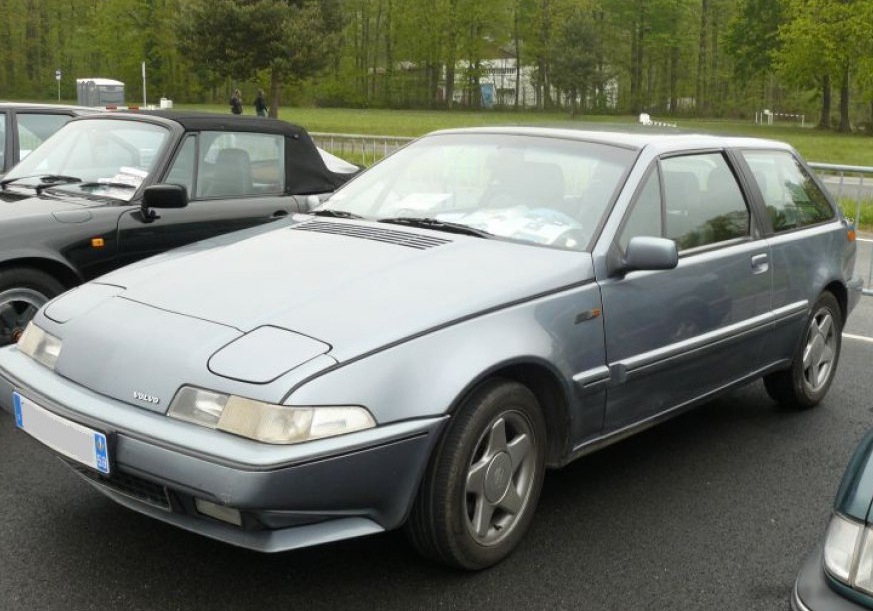
The Volvo 480 E 1.7, produced between 1987 and 1989, represents a unique chapter in Volvo’s history. This front-wheel-drive coupe, designated as the 480 E, was Volvo’s first attempt at a truly modern, compact vehicle aimed at a younger demographic. It was a departure from the traditionally boxy and larger Volvos of the era, and while not a commercial blockbuster, it laid the groundwork for Volvo’s future design and engineering philosophies. The 480 series, and specifically the 1.7-liter variant, occupied the entry-level position within the Volvo lineup during its production run, offering a more affordable and fuel-efficient option compared to the larger 240 and 740 series models.
Technical Specifications
| Brand | Volvo |
| Model | 480 E |
| Generation | 480 E |
| Type (Engine) | 1.7 (95 Hp) |
| Start of Production | 1987 |
| End of Production | 1989 |
| Powertrain Architecture | Internal Combustion Engine |
| Body Type | Coupe |
| Fuel Type | Petrol (Gasoline) |
| Power | 95 Hp |
| Engine Model/Code | B18E |
| Engine Aspiration | Naturally Aspirated |
| Engine Oil Capacity | 5.3 l (5.6 US qt | 4.66 UK qt) |
| Coolant Capacity | 7 l (7.4 US qt | 6.16 UK qt) |
Powertrain & Engine Architecture
The heart of the 480 E 1.7 is the B18E engine, a 1.7-liter inline-four cylinder gasoline engine. This engine, while relatively simple in design, was a robust and reliable unit. It featured a single overhead camshaft (SOHC) valvetrain operating two valves per cylinder. Fuel delivery was managed by Bosch mechanical fuel injection – a system common for the time, offering a balance between efficiency and performance. The B18E produced 95 horsepower at approximately 6,000 rpm and 103 lb-ft of torque at 3,200 rpm. The engine’s design prioritized fuel economy and smooth operation over outright power. The 480 E exclusively came with a four-speed automatic transmission, a deliberate choice by Volvo to appeal to buyers seeking convenience and ease of driving. This transmission, while not known for its sportiness, was durable and well-suited to the engine’s power characteristics.
Driving Characteristics
The 1.7-liter engine and automatic transmission combination in the 480 E delivered a comfortable, if not exhilarating, driving experience. Acceleration was adequate for everyday driving, with a 0-60 mph time estimated around 12-13 seconds. The automatic transmission’s gear ratios were geared towards fuel efficiency, resulting in a relatively relaxed cruising experience. Compared to the later 1.7-liter turbocharged versions or the 2.0-liter models, the 95 hp variant felt noticeably less powerful. The turbo models offered significantly more responsive acceleration and a more engaging driving experience. However, the naturally aspirated 1.7 offered a smoother, more linear power delivery, making it easier to drive in urban environments. The automatic transmission, while convenient, did detract from the overall driving enjoyment for those seeking a more involved experience. The manual transmission, available on other 480 models, provided a more direct connection to the engine and improved fuel economy.
Equipment & Trim Levels
The 480 E 1.7 was generally equipped with a fairly basic level of standard features, reflecting its position as the entry-level model. Standard equipment typically included cloth upholstery, a basic stereo system, and manual windows and door locks. Power steering was often included, but air conditioning was typically an optional extra. Interior trim was functional and durable, prioritizing practicality over luxury. Optional extras included upgraded stereo systems, sunroofs, and metallic paint finishes. The dashboard layout was clean and straightforward, with easy-to-read gauges. The 480 E’s interior, while not lavish, was well-built and offered a comfortable driving environment.
Chassis & Braking
The Volvo 480 E featured a MacPherson strut front suspension and a twist-beam rear suspension. This setup provided a comfortable ride and predictable handling. The front suspension incorporated stabilizer bars to reduce body roll during cornering. Braking duties were handled by disc brakes on the front wheels and drum brakes on the rear wheels. This configuration was typical for vehicles in this price range during the late 1980s. The braking system was adequate for everyday driving, but lacked the stopping power of more advanced systems found on higher-end vehicles. The 480 E’s chassis was relatively lightweight, contributing to its fuel efficiency and nimble handling.
Market Reception & Comparison
The Volvo 480 E 1.7 received mixed reviews from automotive critics. While praised for its fuel efficiency, comfortable ride, and distinctive styling, it was often criticized for its lack of power and the somewhat uninspired performance of the automatic transmission. Compared to other coupes available at the time, such as the Ford Escort or Vauxhall Astra, the 480 E offered a more refined and sophisticated driving experience, but at a higher price point. The 1.7-liter engine offered better fuel economy than the larger 2.0-liter engine, but at the expense of performance. The automatic transmission, while convenient, resulted in lower fuel economy compared to the manual transmission. The 480 E appealed to buyers who prioritized comfort, safety, and fuel efficiency over outright performance.
Legacy
The Volvo 480 E 1.7, while not a sales success, holds a special place in Volvo’s history. It was a bold departure from the company’s traditional designs and engineering approaches, paving the way for future models like the 850. The B18E engine proved to be a durable and reliable unit, and many 480 E models are still on the road today. In the used car market, the 480 E 1.7 is often sought after by Volvo enthusiasts and collectors. Its relative affordability and simple mechanical design make it an attractive option for those looking for a classic Volvo that is relatively easy to maintain. While the 95 hp automatic version isn’t the most desirable trim, its simplicity and fuel efficiency make it a viable option for those seeking a unique and reliable classic coupe. The 480 E remains a testament to Volvo’s commitment to safety, durability, and innovative design.
