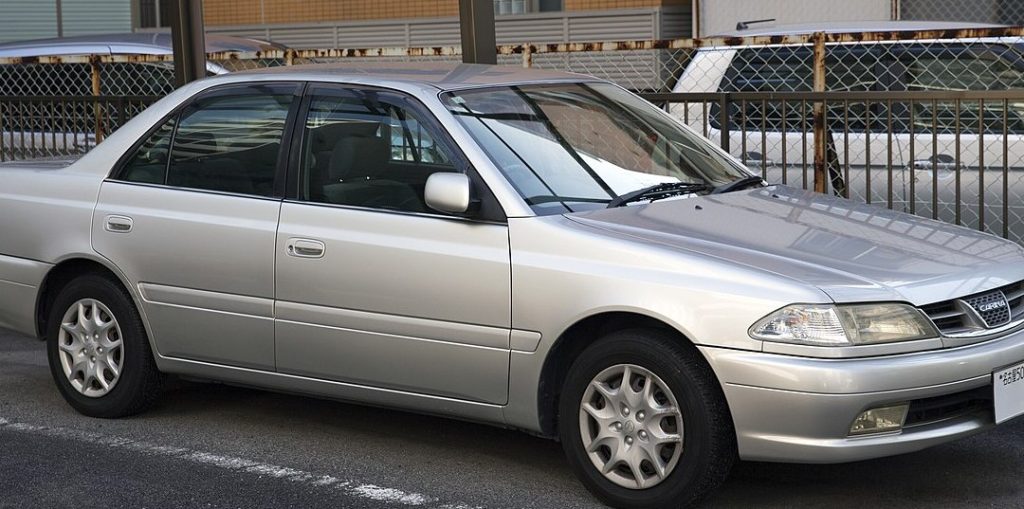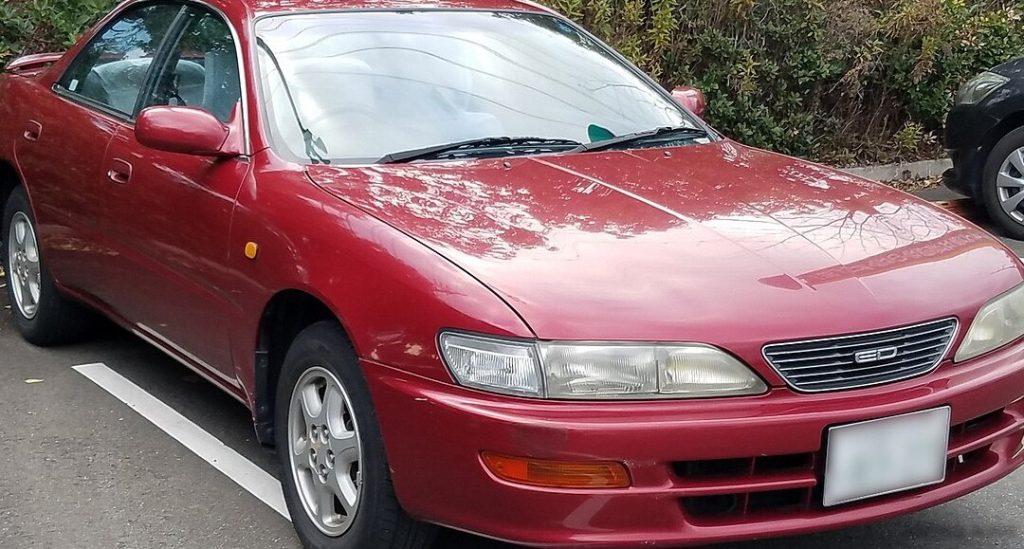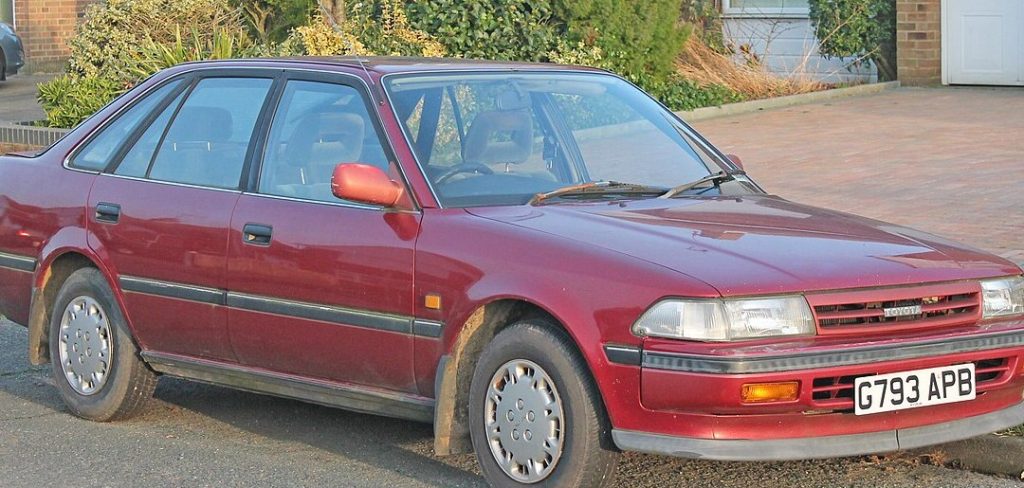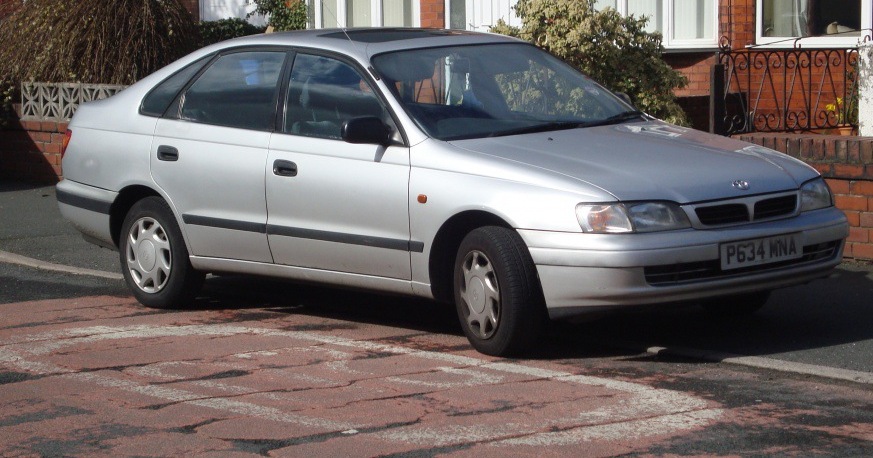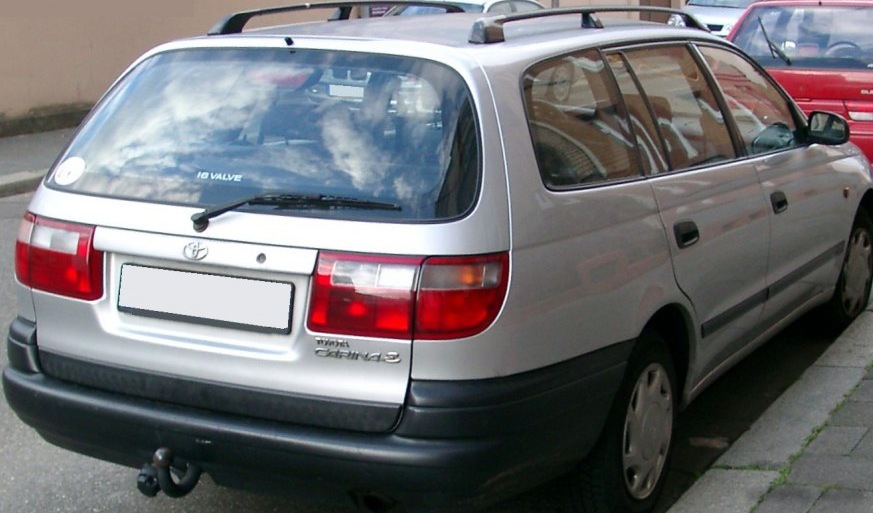
The Toyota Carina E Wagon, specifically the 2.0 TD variant producing 83 horsepower, was a practical and economical estate car offered primarily in the European market between 1996 and 1998. Part of the T19 series, this wagon represented Toyota’s attempt to capture a segment of buyers seeking a spacious, reliable, and fuel-efficient vehicle for family or work purposes. It sat within the broader Carina E range, which included sedan and hatchback body styles, and was positioned as a sensible alternative to more performance-oriented or luxury-focused estates. The 2.0 TD model occupied a middle ground in the lineup, offering a balance between fuel economy and usable power, appealing to drivers who prioritized practicality over outright speed.
Technical Specifications
| Brand | Toyota |
| Model | Carina |
| Generation | Carina E Wagon (T19) |
| Type (Engine) | 2.0 TD (83 Hp) |
| Start of production | 1996 |
| End of production | 1998 |
| Powertrain Architecture | Internal Combustion engine |
| Body type | Station wagon (estate) |
| Seats | 5 |
| Doors | 5 |
| Fuel consumption (urban) | 7.6 l/100 km (30.9 US mpg, 37.2 UK mpg, 13.2 km/l) |
| Fuel consumption (extra urban) | 5.2 l/100 km (45.2 US mpg, 54.3 UK mpg, 19.2 km/l) |
| Fuel consumption (combined) | 6.6 l/100 km (35.6 US mpg, 42.8 UK mpg, 15.2 km/l) |
| Fuel Type | Diesel |
| Acceleration 0 – 100 km/h | 12.3 sec |
| Acceleration 0 – 62 mph | 12.3 sec |
| Acceleration 0 – 60 mph | 11.7 sec |
| Maximum speed | 170 km/h (105.63 mph) |
| Weight-to-power ratio | 15.9 kg/Hp, 62.7 Hp/tonne |
| Weight-to-torque ratio | 7.6 kg/Nm, 131.5 Nm/tonne |
| Power | 83 Hp @ 4000 rpm |
| Power per litre | 42 Hp/l |
| Torque | 174 Nm @ 2000 rpm (128.34 lb.-ft. @ 2000 rpm) |
| Engine layout | Front, Transverse |
| Engine Model/Code | 2C-T |
| Engine displacement | 1975 cm3 (120.52 cu. in.) |
| Number of cylinders | 4 |
| Engine configuration | Inline |
| Cylinder Bore | 86 mm (3.39 in.) |
| Piston Stroke | 85 mm (3.35 in.) |
| Compression ratio | 23:1 |
| Number of valves per cylinder | 4 |
| Fuel injection system | Precombustion chamber injection |
| Engine aspiration | Turbocharger |
| Valvetrain | OHC |
| Engine oil capacity | 5.1 l (5.39 US qt | 4.49 UK qt) |
| Coolant capacity | 7 l (7.4 US qt | 6.16 UK qt) |
| Kerb Weight | 1323 kg (2916.72 lbs.) |
| Max. weight | 1780 kg (3924.23 lbs.) |
| Max load | 457 kg (1007.51 lbs.) |
| Trunk (boot) space – minimum | 485 l (17.13 cu. ft.) |
| Trunk (boot) space – maximum | 860 l (30.37 cu. ft.) |
| Fuel tank capacity | 60 l (15.85 US gal | 13.2 UK gal) |
| Length | 4545 mm (178.94 in.) |
| Width | 1695 mm (66.73 in.) |
| Height | 1470 mm (57.87 in.) |
| Wheelbase | 2580 mm (101.57 in.) |
| Front track | 1465 mm (57.68 in.) |
| Rear track | 1445 mm (56.89 in.) |
| Drivetrain Architecture | Front wheel drive |
| Number of gears | 5 |
| Gearbox type | Manual transmission |
| Front suspension | Spring Strut |
| Rear suspension | Coil spring |
| Front brakes | Ventilated discs |
| Rear brakes | Drum |
| Assisting systems | ABS (Anti-lock braking system) |
| Steering type | Steering rack and pinion |
| Power steering | Hydraulic Steering |
| Tires size | 175/70 R14 H |
Powertrain & Engine Architecture
The heart of the Carina E Wagon 2.0 TD was the 2C-T diesel engine. This 1.975-liter inline-four cylinder engine utilized precombustion chamber injection, a system common in older diesel engines. This system involved injecting fuel into a precombustion chamber connected to the main cylinder, promoting more complete combustion. The engine was turbocharged, which helped to boost power output to 83 horsepower and 174 Nm (128 lb-ft) of torque. The turbocharger provided a noticeable improvement in responsiveness compared to naturally aspirated diesel engines of the time. The engine featured an overhead camshaft (OHC) valvetrain, operating four valves per cylinder. The five-speed manual transmission was the standard offering, providing a reasonable spread of gears for both fuel efficiency and acceleration. The transmission was chosen for its durability and cost-effectiveness, aligning with the overall practical nature of the vehicle.
Driving Characteristics
The 2.0 TD Carina E Wagon wasn’t designed for spirited driving. Its focus was on providing adequate performance for everyday use, prioritizing fuel economy and comfort. Acceleration from 0-60 mph took around 11.7 seconds, and top speed was limited to 105.63 mph. The turbocharger did provide a useful boost in mid-range power, making overtaking on highways manageable. However, the engine could feel strained at higher RPMs. The manual transmission’s gear ratios were well-suited to the engine’s characteristics, allowing for efficient cruising and reasonable acceleration. Compared to the gasoline-powered Carina E models, the 2.0 TD offered significantly better fuel economy, but at the expense of outright performance. It also provided a more relaxed driving experience, with the diesel engine’s torque delivery making it less necessary to constantly shift gears.
Equipment & Trim Levels
The Carina E Wagon 2.0 TD typically came with a fairly standard level of equipment. This included power steering, central locking, electric front windows, and an AM/FM radio. Interior upholstery was typically cloth, with a durable and practical design. Higher trim levels, if available, might have added features such as alloy wheels, a sunroof, and upgraded audio systems. Air conditioning was often an optional extra. The dashboard layout was functional and straightforward, prioritizing ease of use over aesthetic flair. Safety features included ABS (Anti-lock Braking System) as standard, a notable inclusion for the time.
Chassis & Braking
The Carina E Wagon featured a conventional front-wheel-drive layout with a MacPherson strut front suspension and a coil spring rear suspension. This setup provided a comfortable ride, although it wasn’t particularly sporty. The front brakes were ventilated discs, offering good stopping power, while the rear brakes were drums, a cost-saving measure. The steering was rack and pinion, providing reasonably precise control. The car’s weight of around 1323 kg (2916.72 lbs) contributed to its stable handling characteristics.
Market Reception & Comparison
The Toyota Carina E Wagon 2.0 TD was generally well-received by critics as a practical and reliable estate car. It was praised for its fuel efficiency, spacious interior, and comfortable ride. However, it was also criticized for its lack of excitement and relatively modest performance. Compared to other estates in its class, such as the Ford Mondeo Estate or the Vauxhall/Opel Vectra Estate, the Carina E Wagon offered a more refined and reliable experience, but at a slightly higher price point. Its fuel economy was competitive, and its build quality was generally considered to be excellent.
Legacy
The 2C-T engine, while not known for being a powerhouse, proved to be remarkably durable and reliable. Many examples of the Carina E Wagon 2.0 TD have continued to operate for many years, a testament to Toyota’s engineering prowess. In the used car market today, these wagons are often sought after by buyers looking for a dependable and economical vehicle. Maintenance costs are generally reasonable, and parts availability is still relatively good. While not a collector’s item, the Carina E Wagon 2.0 TD remains a practical and affordable option for those seeking a classic, reliable estate car.