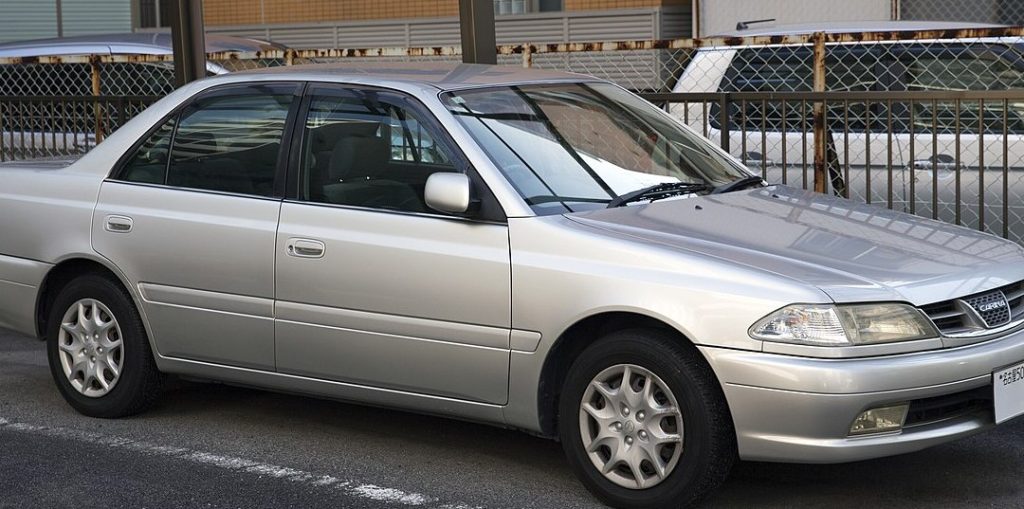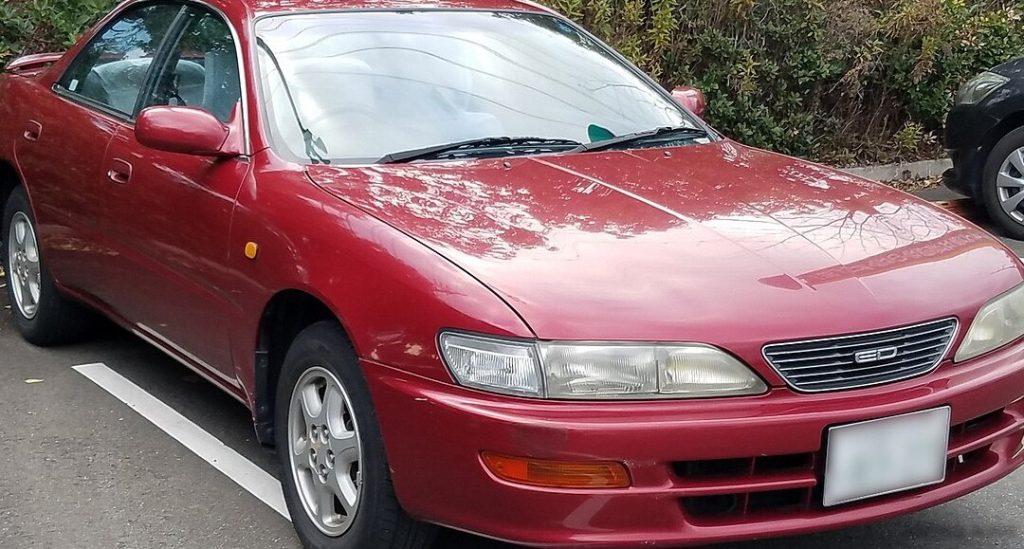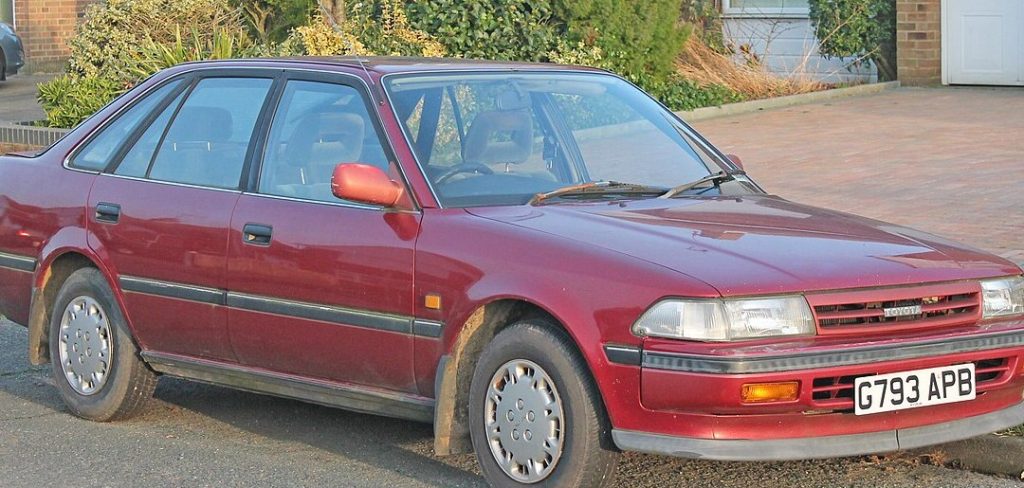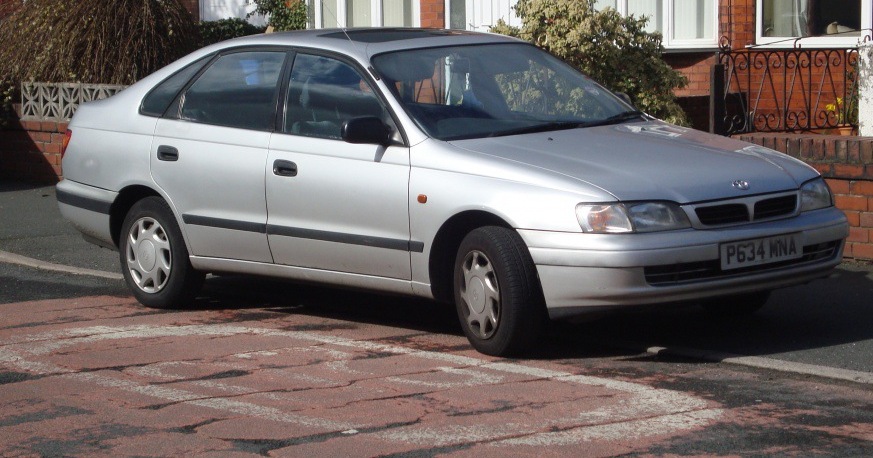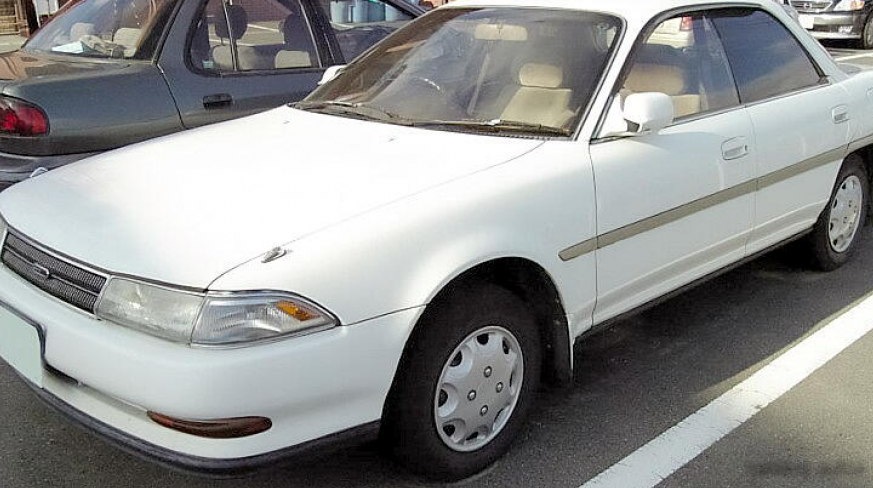
The Toyota Carina ED 2.0 i, produced between 1989 and 1992, represented a significant step forward for Toyota’s mid-size offerings. Positioned as a more stylish and technologically advanced alternative to the traditional Carina, the ED (Elegant Dynamic) aimed to attract a younger, more discerning buyer. This variant, powered by the 3S-FE engine producing 140 horsepower, occupied a mid-range position within the Carina ED lineup, offering a balance between performance and affordability. It was part of the broader E80 series, and built upon the success of previous Carina models, offering a more contemporary design and improved driving experience. The Carina ED was primarily marketed in Japan and Europe, where it competed with vehicles like the Ford Sierra, Opel Vectra, and Mazda 626.
Technical Specifications
| Brand | Toyota |
| Model | Carina |
| Generation | Carina ED |
| Type (Engine) | 2.0 i (140 Hp) |
| Start of production | 1989 |
| End of production | 1992 |
| Powertrain Architecture | Internal Combustion engine |
| Body type | Sedan |
| Seats | 5 |
| Doors | 4 |
| Fuel Type | Petrol (Gasoline) |
| Power | 140 Hp @ 6000 rpm |
| Power per litre | 70.1 Hp/l |
| Torque | 186 Nm @ 4400 rpm / 137.19 lb.-ft. @ 4400 rpm |
| Engine layout | Front, Transverse |
| Engine Model/Code | 3S-FE |
| Engine displacement | 1998 cm3 / 121.93 cu. in. |
| Number of cylinders | 4 |
| Engine configuration | Inline |
| Cylinder Bore | 86 mm / 3.39 in. |
| Piston Stroke | 86 mm / 3.39 in. |
| Compression ratio | 9.5:1 |
| Number of valves per cylinder | 4 |
| Fuel injection system | Multi-port manifold injection |
| Engine aspiration | Naturally aspirated engine |
| Engine oil capacity | 3.9 l / 4.12 US qt | 3.43 UK qt |
| Coolant | 6.5 l / 6.87 US qt | 5.72 UK qt |
| Fuel tank capacity | 60 l / 15.85 US gal | 13.2 UK gal |
| Length | 4485 mm / 176.57 in. |
| Width | 1690 mm / 66.54 in. |
| Height | 1315 mm / 51.77 in. |
| Wheelbase | 2525 mm / 99.41 in. |
| Drivetrain Architecture | The Internal combustion engine (ICE) drives the front wheels of the vehicle. |
| Drive wheel | Front wheel drive |
Powertrain & Engine Architecture
The heart of the Carina ED 2.0 i was the 3S-FE engine, a 1.998-liter, inline-four cylinder powerplant. This engine was a member of Toyota’s S-series, known for its reliability and relatively smooth operation. The 3S-FE featured multi-port fuel injection, a crucial element in achieving its 140 horsepower output at 6000 rpm and 186 Nm (137.19 lb-ft) of torque at 4400 rpm. The engine utilized a single overhead camshaft (SOHC) design with four valves per cylinder, contributing to its respectable power figures for the time. The engine’s block was constructed from cast iron, while the cylinder head was made of aluminum, helping to reduce weight. The Carina ED 2.0 i was typically paired with a four-speed automatic transmission, although a five-speed manual was also available. The automatic transmission was designed for smooth shifts and comfortable cruising, prioritizing ease of use over outright performance.
Driving Characteristics
The 2.0 i automatic version of the Carina ED offered a comfortable and refined driving experience. While not a sports car, the 140 hp engine provided adequate power for everyday driving and highway cruising. Acceleration was respectable, but not particularly brisk, with a 0-60 mph time estimated around 10-11 seconds. The automatic transmission, while smooth, did contribute to some power loss compared to the manual version. Gear ratios were tuned for fuel efficiency and comfortable cruising, rather than aggressive acceleration. The Carina ED’s front-wheel-drive layout provided predictable handling, although it lacked the dynamic sharpness of rear-wheel-drive competitors. The suspension was tuned for comfort, absorbing bumps and imperfections in the road well, making it a pleasant long-distance cruiser.
Equipment & Trim Levels
The Carina ED 2.0 i typically came equipped with a reasonable level of standard features. Interior appointments included cloth upholstery, power windows, central locking, and an AM/FM radio. Higher trim levels offered upgrades such as power seats, a sunroof, and upgraded audio systems. The dashboard layout was functional and ergonomically designed, with easy-to-read gauges and well-placed controls. Optional extras included air conditioning, alloy wheels, and a trip computer. The overall interior ambiance was one of understated elegance, reflecting the “Elegant Dynamic” philosophy behind the car’s design.
Chassis & Braking
The Carina ED utilized a MacPherson strut front suspension and a torsion beam rear suspension. This setup provided a good balance between ride comfort and handling. Braking duties were handled by disc brakes on the front wheels and drum brakes on the rear wheels. Anti-lock braking system (ABS) was available as an option, enhancing safety and control during emergency braking situations. Steering was rack-and-pinion, providing precise and responsive steering feel. The chassis was designed to be rigid and durable, contributing to the car’s overall stability and handling characteristics.
Market Reception & Comparison
The Carina ED 2.0 i was generally well-received by automotive critics. It was praised for its stylish design, comfortable ride, and reliable engine. However, some critics noted that the automatic transmission could feel somewhat sluggish, and the car lacked the sporty character of some of its competitors. Compared to the lower-powered 1.6-liter versions, the 2.0 i offered a noticeable performance improvement, making it a more appealing option for drivers who prioritized power and responsiveness. Compared to the more expensive and performance-oriented Carina GT models, the 2.0 i offered a more affordable and fuel-efficient alternative. Fuel economy was respectable for the time, averaging around 25-30 mpg in mixed driving conditions.
Legacy
The Toyota Carina ED, and specifically the 2.0 i variant, has developed a reputation for long-term reliability. The 3S-FE engine is known to be a durable and dependable unit, capable of high mileage with proper maintenance. Today, well-maintained examples of the Carina ED are becoming increasingly sought after by classic car enthusiasts. While not as iconic as some other Toyota models, the Carina ED represents an important chapter in Toyota’s history, showcasing the company’s commitment to innovation and quality. Parts availability can be a challenge, but many components are still available through specialist suppliers and online marketplaces. The Carina ED 2.0 i remains a testament to Toyota’s engineering prowess and a comfortable, reliable choice for those seeking a classic Japanese sedan.