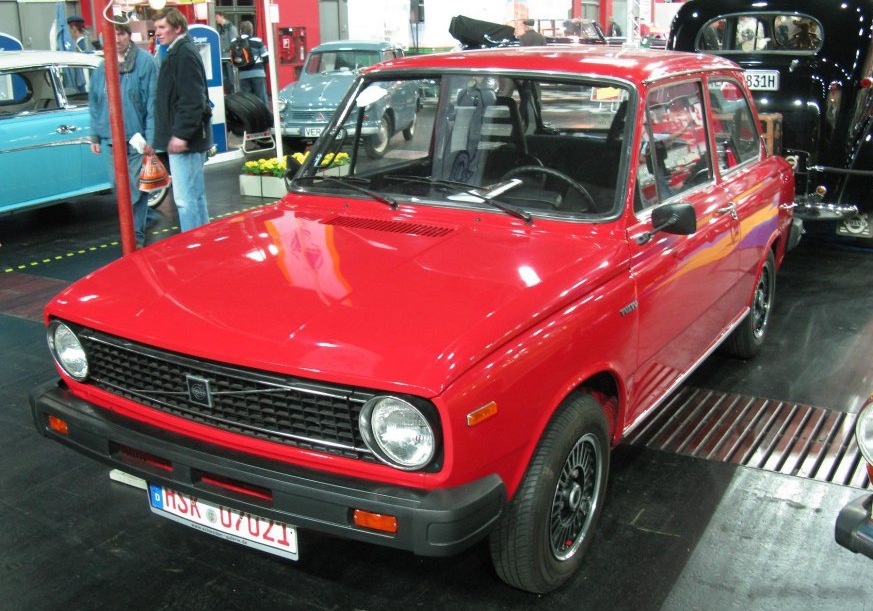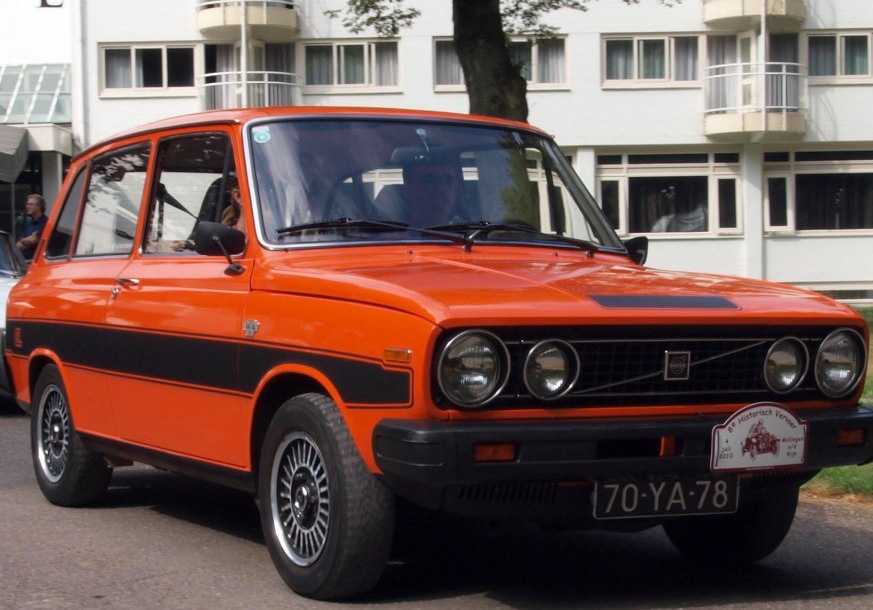
The Volvo 66 Combi GL 1.3, powered by a 57 horsepower engine and equipped with the unique Variornatic automatic transmission, was a distinctive offering from Volvo between 1975 and 1979. Positioned as an entry-level variant within the 66 Combi range, it provided a practical and economical option for families seeking a compact station wagon. This model represented Volvo’s attempt to broaden its appeal with an automatic transmission in a smaller, more affordable package, though it wasn’t without its quirks. The 66 Combi itself was a relatively short-lived model, serving as a bridge between the older Amazon series and the more modern 240 series.
Technical Specifications
| Brand | Volvo |
| Model | 66 |
| Generation | 66 Combi |
| Type (Engine) | GL 1.3 (57 Hp) Variornatic |
| Start of production | 1975 |
| End of production | 1979 |
| Powertrain Architecture | Internal Combustion engine |
| Body type | Station wagon (estate) |
| Seats | 4 |
| Doors | 3 |
| Fuel Type | Petrol (Gasoline) |
| Weight-to-power ratio | 15.2 kg/Hp, 66 Hp/tonne |
| Weight-to-torque ratio | 9.2 kg/Nm, 108.8 Nm/tonne |
| Power | 57 Hp @ 5200 rpm |
| Power per litre | 44.2 Hp/l |
| Torque | 94 Nm @ 2800 rpm (69.33 lb.-ft. @ 2800 rpm) |
| Engine Model/Code | B130E |
| Engine displacement | 1289 cm3 (78.66 cu. in.) |
| Number of cylinders | 4 |
| Cylinder Bore | 73 mm (2.87 in.) |
| Piston Stroke | 77 mm (3.03 in.) |
| Compression ratio | 8.5:1 |
| Engine aspiration | Naturally aspirated engine |
| Engine oil capacity | 3.3 l (3.49 US qt | 2.9 UK qt) |
| Coolant | 4.8 l (5.07 US qt | 4.22 UK qt) |
| Kerb Weight | 864 kg (1904.79 lbs.) |
| Max. weight | 1260 kg (2777.82 lbs.) |
| Max load | 396 kg (873.03 lbs.) |
| Fuel tank capacity | 42 l (11.1 US gal | 9.24 UK gal) |
| Length | 3900 mm (153.54 in.) |
| Width | 1540 mm (60.63 in.) |
| Height | 1380 mm (54.33 in.) |
| Wheelbase | 2250 mm (88.58 in.) |
| Front track | 1300 mm (51.18 in.) |
| Rear (Back) track | 1230 mm (48.43 in.) |
| Minimum turning circle | 9.55 m (31.33 ft.) |
| Drivetrain Architecture | Rear wheel drive |
| Number of gears and type of gearbox | automatic transmission Variornatic |
| Rear suspension | De-Dion |
| Front brakes | Disc |
| Rear brakes | Drum |
| Wheel rims size | 4.5J x 13 |
Powertrain & Engine Architecture
The heart of the 66 Combi GL 1.3 was the B130E engine, a 1.3-liter inline-four cylinder unit. This engine, while relatively modest in output, was known for its durability and simplicity. It featured a single overhead camshaft (SOHC) valvetrain and a two-barrel Solex carburetor. The B130E produced 57 horsepower at 5200 rpm and 94 Nm (69.33 lb-ft) of torque at 2800 rpm. The engine’s design prioritized fuel economy and reliability over outright performance.
The most distinctive feature of this variant was the Variornatic transmission. This was a continuously variable transmission (CVT) developed in-house by Volvo. Unlike modern CVTs that use belts, the Variornatic employed a system of conical pulleys and a fluid coupling. While innovative for its time, the Variornatic was often criticized for its sluggish response and unusual driving feel. It lacked the distinct gear changes of a conventional automatic, instead providing a smooth, but somewhat disconnected, acceleration experience.
Driving Characteristics
The 1.3-liter engine and Variornatic transmission combination resulted in a driving experience best described as relaxed. Acceleration was leisurely, and the car was not designed for spirited driving. The Variornatic transmission, while smooth, tended to “rubber band” under hard acceleration, holding the engine at a constant rpm while the car gradually gained speed. This could feel disconcerting to drivers accustomed to traditional automatic transmissions. Compared to the manual transmission versions of the 66, or even the slightly more powerful 1.6-liter variants, the 1.3 Automatic was noticeably slower. However, it offered a level of ease of use that appealed to drivers prioritizing comfort and convenience.
Equipment & Trim Levels
The GL trim level, even in its base 1.3L form, offered a reasonable level of equipment for the mid-1970s. Standard features typically included cloth upholstery, a basic AM radio, and heated rear window. The interior was functional and durable, reflecting Volvo’s reputation for practicality. Optional extras included a sunroof, upgraded stereo systems, and more comfortable seating. The dashboard layout was typical of Volvo at the time, with a focus on clear and simple instrumentation.
Chassis & Braking
The Volvo 66 Combi featured a relatively simple chassis design. The front suspension utilized independent coil springs and wishbones, while the rear suspension employed a De Dion axle with coil springs. This setup provided a comfortable ride, although handling was not particularly sharp. The braking system consisted of disc brakes at the front and drum brakes at the rear. The braking performance was adequate for the car’s weight and power, but not exceptional. Stabilizer bars were typically fitted to improve handling, though their thickness varied depending on the specific configuration.
Market Reception & Comparison
The Volvo 66 Combi GL 1.3 Variornatic received mixed reviews. Critics generally praised the car’s practicality, safety, and build quality, but the Variornatic transmission was a common point of criticism. Many reviewers found it to be slow to respond and lacking in driver engagement. Compared to other station wagons of the time, the 66 Combi offered a unique combination of Scandinavian design and practicality. However, its relatively high price compared to some competitors, coupled with the Variornatic’s quirks, limited its appeal. The 1.6-liter versions of the 66 Combi offered significantly better performance and were often preferred by drivers seeking a more engaging driving experience. Fuel economy was reasonable for the era, but not class-leading.
Legacy
The Volvo 66 Combi GL 1.3 Variornatic, while not a particularly common sight today, holds a certain appeal for Volvo enthusiasts and collectors. The B130E engine is known for its reliability, and the Variornatic transmission, while unconventional, is a unique piece of automotive history. Parts availability can be a challenge, but many components are still available through specialist suppliers. In the used car market, these models are typically valued for their originality and rarity. The Variornatic transmission, while often requiring specialized knowledge for maintenance, is generally durable if properly cared for. The 66 Combi, in all its variants, represents a significant chapter in Volvo’s history, showcasing the company’s commitment to safety, practicality, and innovative engineering.