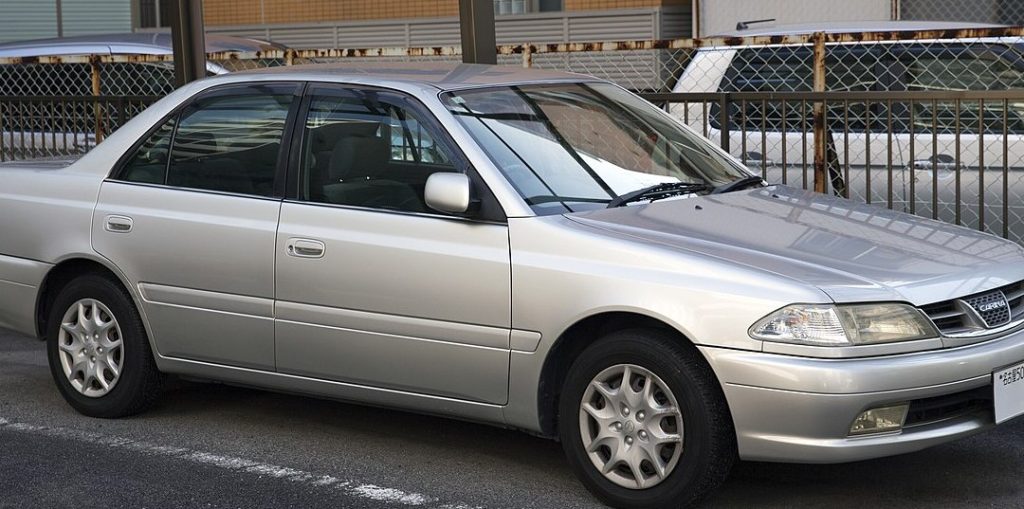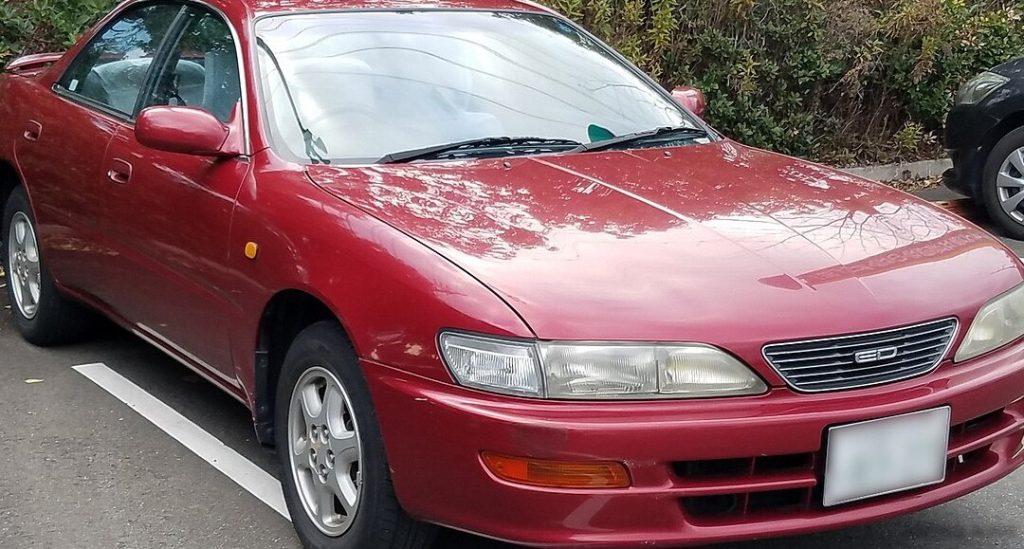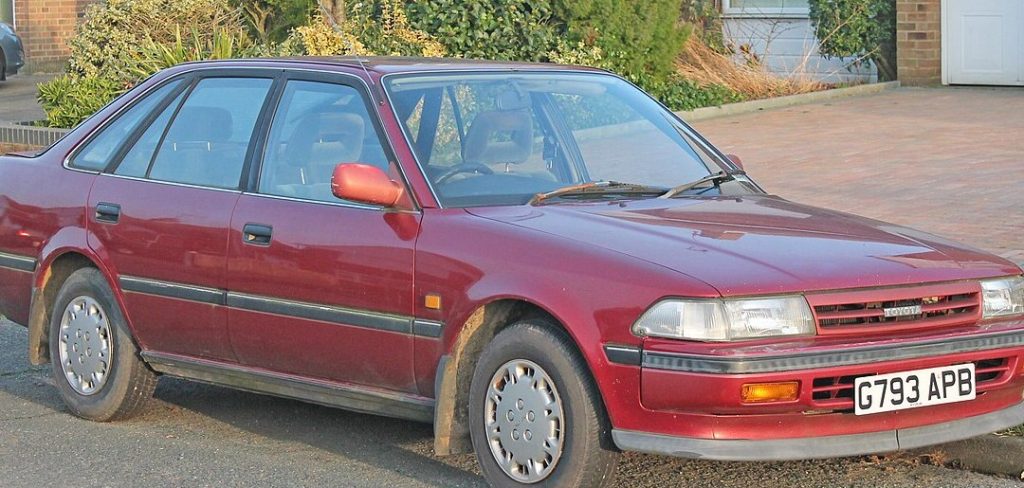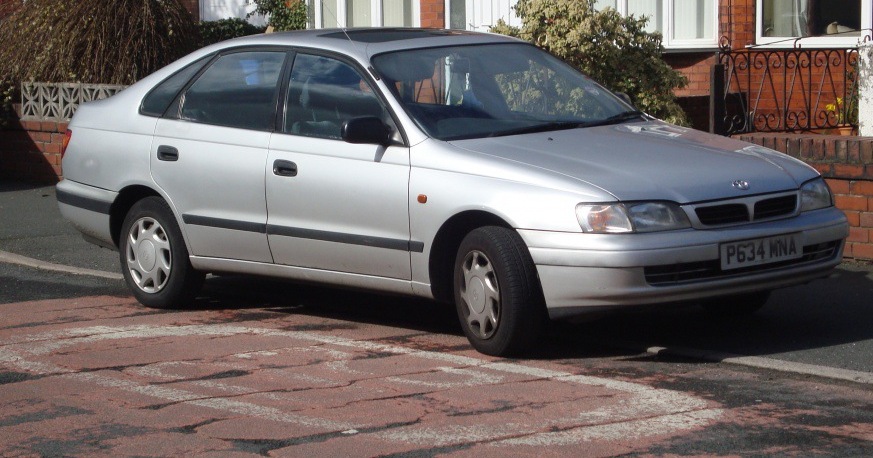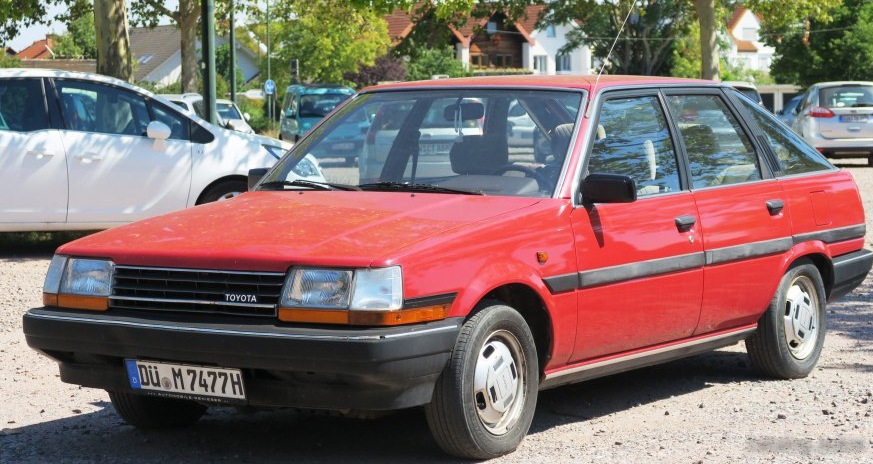
The Toyota Carina Hatch (T15) 1.6, specifically the AT151 variant producing 75 horsepower, was a compact hatchback produced between 1984 and 1988. It represented Toyota’s entry into the increasingly popular European-style hatchback market, offering a practical and relatively affordable option for families and commuters. The T15 generation Carina, while sharing some components with the Corolla and Corona of the era, aimed for a slightly more upscale and refined experience. The AT151 model, with its 1.6-liter engine and automatic transmission, was positioned as a comfortable and convenient choice within the Carina Hatch lineup, prioritizing ease of use over outright performance.
Technical Specifications
| Brand | Toyota |
| Model | Carina |
| Generation | Carina Hatch (T15) |
| Type (Engine) | 1.6 (AT151) (75 Hp) |
| Start of production | 1984 |
| End of production | 1988 |
| Powertrain Architecture | Internal Combustion engine |
| Body type | Hatchback |
| Seats | 5 |
| Doors | 5 |
| Fuel Type | Petrol (Gasoline) |
| Power | 75 Hp |
| Engine Model/Code | 4A-LC |
| Engine aspiration | Naturally aspirated engine |
| Engine oil capacity | 3.3 l (3.49 US qt | 2.9 UK qt) |
| Coolant capacity | 5 l (5.28 US qt | 4.4 UK qt) |
Powertrain & Engine Architecture
The heart of the AT151 Carina Hatch was the 4A-LC engine, a 1.6-liter (1587cc) inline-four cylinder gasoline engine. This engine was a relatively simple design, utilizing a single overhead camshaft (SOHC) valvetrain with two valves per cylinder. Fuel delivery was managed by a carburetor, a common feature for vehicles of this era, rather than fuel injection. The carburetor provided adequate fuel atomization for the engine’s modest power output. The 4A-LC was known for its reliability and relatively low maintenance requirements, although it wasn’t a particularly powerful or sophisticated engine.
Paired with the 4A-LC was a three-speed automatic transmission. This transmission was chosen to provide a smooth and effortless driving experience, appealing to buyers who prioritized convenience over sporty handling. The automatic transmission featured a traditional torque converter design, offering smooth take-offs and gear changes. However, the three-speed configuration meant that the engine often operated at higher RPMs during highway cruising, potentially impacting fuel economy and noise levels.
Driving Characteristics
The 75 horsepower output of the AT151 Carina Hatch translated to adequate, but not exhilarating, performance. Acceleration was leisurely, with a 0-60 mph time estimated to be around 13-15 seconds. The automatic transmission, while providing convenience, did detract from the overall responsiveness of the vehicle. Compared to the available five-speed manual transmission, the automatic version felt noticeably slower, particularly when attempting to overtake or merge onto highways. The gear ratios were optimized for fuel efficiency and smooth cruising rather than aggressive acceleration. The car was best suited for city driving and shorter commutes, where its ease of use and comfortable ride were more appreciated.
Equipment & Trim Levels
The AT151 Carina Hatch typically came with a fairly basic level of equipment, reflecting its position as an entry-level model. Standard features generally included cloth upholstery, a basic AM/FM radio, and manual windows and door locks. Air conditioning was often an optional extra, as were power windows and a more advanced stereo system. The interior design was functional and straightforward, prioritizing practicality over luxury. The dashboard layout was simple and easy to use, with clearly labeled controls. Trim levels varied slightly depending on the market, but generally, the AT151 represented the base model within the Carina Hatch range.
Chassis & Braking
The Carina Hatch (T15) utilized a relatively conventional chassis design, featuring independent front suspension with MacPherson struts and a torsion beam rear suspension. This setup provided a comfortable ride quality, absorbing bumps and imperfections in the road surface effectively. Steering was rack-and-pinion, offering reasonable precision and feedback. Braking was typically accomplished with disc brakes on the front wheels and drum brakes on the rear. The braking system was adequate for the vehicle’s weight and performance, but lacked the stopping power of more modern braking systems. Stabilizer bars were often included, helping to reduce body roll during cornering.
Market Reception & Comparison
The Toyota Carina Hatch (T15) 1.6 AT151 was generally well-received as a practical and reliable family car. Critics praised its comfortable ride, spacious interior, and Toyota’s reputation for build quality. However, the 75 horsepower engine and three-speed automatic transmission were often criticized for being underpowered and lacking responsiveness. Compared to other trims in the Carina Hatch lineup, such as those equipped with larger engines or manual transmissions, the AT151 offered a more relaxed and convenient driving experience, but at the expense of performance. It competed with other compact hatchbacks of the era, such as the Ford Escort, Opel Kadett, and Volkswagen Golf.
Legacy
The Toyota Carina Hatch (T15) 1.6 AT151, while not a particularly exciting or groundbreaking vehicle, has proven to be remarkably durable over the years. The 4A-LC engine is known for its longevity and relatively simple maintenance requirements. Today, finding a well-maintained example can be challenging, but they are still occasionally seen on the used car market. The AT151 is often sought after by enthusiasts looking for a classic Toyota that is easy to maintain and reliable. Its simple design and readily available parts make it a relatively affordable and straightforward vehicle to restore and keep on the road. The car represents a significant period in Toyota’s history, demonstrating the company’s commitment to building practical, reliable, and affordable vehicles for a global market.