
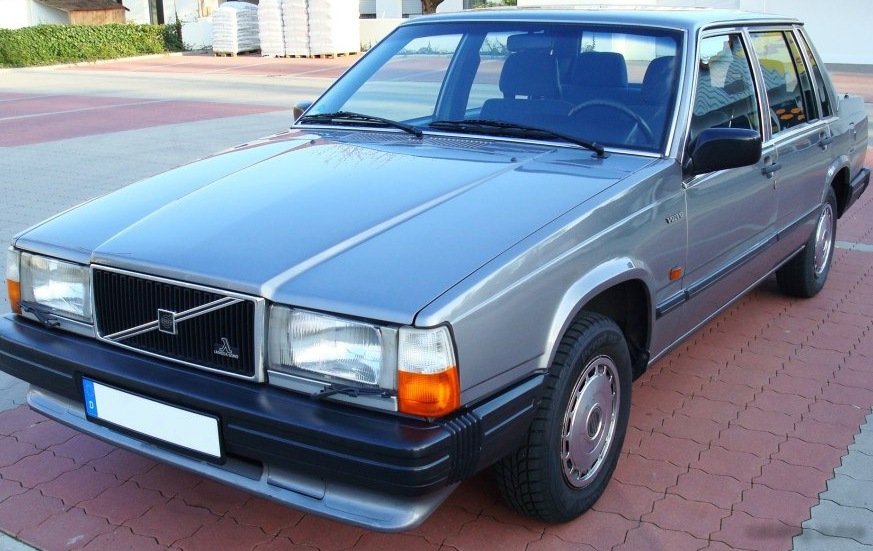
The Volvo 740, specifically the 744 model with the 2.3-liter (115 horsepower) engine, represents a significant chapter in Volvo’s history of building durable, safe, and practical automobiles. Produced between 1987 and 1990, this variant occupied a crucial position in the 740 series lineup, offering a balance between affordability and Volvo’s renowned engineering. It was part of the broader 700/900 series, known for its boxy but functional design and exceptional longevity. The 740 series, and the 744 in particular, became a staple for families and those seeking a reliable vehicle capable of withstanding harsh conditions.
Technical Specifications
| Brand | Volvo |
| Model | 740 |
| Generation | 740 (744) |
| Type (Engine) | 2.3 (115 Hp) |
| Start of production | 1987 |
| End of production | 1990 |
| Powertrain Architecture | Internal Combustion engine |
| Body type | Sedan |
| Seats | 5 |
| Doors | 4 |
| Fuel Type | Petrol (Gasoline) |
| Power | 115 Hp |
| Engine Model/Code | B230F |
| Engine aspiration | Naturally aspirated engine |
| Engine oil capacity | 3.9 l / 4.12 US qt / 3.43 UK qt |
| Coolant capacity | 8.5 l / 8.98 US qt / 7.48 UK qt |
| Fuel tank capacity | 60 l / 15.85 US gal / 13.2 UK gal |
| Length | 4785 mm / 188.39 in. |
| Width | 1760 mm / 69.29 in. |
| Height | 1430 mm / 56.3 in. |
Powertrain & Engine Architecture
The heart of the 740 2.3 was the B230F engine, a 2.3-liter inline-four cylinder powerplant. This engine was a cornerstone of Volvo’s engineering philosophy, prioritizing robustness and longevity over outright performance. It featured a cast iron block and an aluminum cylinder head, a common configuration for Volvo engines of the era. Fuel delivery was managed by Bosch mechanical fuel injection – a system known for its reliability, though less sophisticated than later electronic fuel injection systems. The B230F utilized a single overhead camshaft (SOHC) valvetrain, operating two valves per cylinder. This configuration contributed to the engine’s smooth operation and relatively low maintenance requirements.
While a five-speed manual transmission was available on other 740 models, the 2.3-liter 115 hp variant was frequently paired with a four-speed automatic transmission, specifically the ZF 4HP22. This automatic was chosen for its smoothness and ease of use, catering to buyers who prioritized comfort over sporty driving dynamics. The automatic transmission’s gear ratios were geared towards fuel efficiency and relaxed cruising, rather than rapid acceleration.
Driving Characteristics
The 740 2.3 with the automatic transmission delivered a comfortable, if not particularly exhilarating, driving experience. With 115 horsepower and around 136 lb-ft of torque, acceleration was adequate for everyday driving, but passing maneuvers required planning. The automatic transmission, while smooth, did contribute to a slight loss of power compared to the manual versions. The gear ratios were spaced to prioritize fuel economy, meaning the engine often operated at lower RPMs during highway cruising. This made for a quiet and relaxed ride, but also meant the transmission would downshift readily when encountering hills or needing to accelerate quickly. Compared to the more powerful 740 Turbo or the later 740 GLE models, the 2.3 automatic was noticeably slower, but it offered a more accessible price point and a simpler driving experience.
Equipment & Trim Levels
The 740 2.3 automatic typically came with a fairly standard equipment list for the late 1980s. Standard features included cloth upholstery, a basic AM/FM radio, and manual windows and locks. Air conditioning was often an optional extra, as were power windows and locks. The interior design was functional and durable, prioritizing practicality over luxury. The dashboard layout was straightforward, with clearly labeled controls. Higher trim levels, though less common with the 2.3 engine, could add features like upgraded sound systems, cruise control, and a sunroof. The 740 was known for its comfortable seats and spacious interior, making it a practical choice for families.
Chassis & Braking
The 740 744 featured a robust chassis with independent front suspension using MacPherson struts and a solid rear axle with leaf springs. This suspension setup provided a comfortable ride, although it wasn’t particularly sporty. The rear suspension was designed to handle heavy loads, reflecting the car’s intended use as a practical family vehicle. Braking was initially accomplished with disc brakes on the front wheels and drum brakes on the rear. Later models often received rear disc brakes as standard equipment. The braking system was generally reliable, but lacked the sophistication of more modern anti-lock braking systems (ABS), which were optional on some trims.
Market Reception & Comparison
The Volvo 740 2.3 automatic was well-received by consumers seeking a safe, reliable, and practical sedan. Critics praised its build quality, durability, and comfortable ride. However, its relatively modest performance and somewhat dated technology were also noted. Compared to other cars in its class, such as the Ford Taurus or the Chevrolet Cavalier, the 740 offered a more European driving experience and a reputation for superior safety. Fuel economy was reasonable for the time, averaging around 20-25 mpg in mixed driving. The 740 2.3 automatic was often seen as a sensible choice for buyers who prioritized long-term reliability over flashy styling or high performance. It was a popular choice for families and those who needed a dependable vehicle for commuting or long road trips.
Legacy
The Volvo 740 2.3, and the 744 variant specifically, has earned a reputation as one of the most durable and long-lasting cars ever built. Many examples are still on the road today, a testament to Volvo’s engineering prowess. The B230F engine is known for its ability to withstand high mileage with minimal maintenance. While parts availability can be a concern for some older models, many components are still readily available. In the used car market, the 740 2.3 automatic remains a popular choice for those seeking a classic Volvo that is both affordable and reliable. It’s often favored by enthusiasts who appreciate its simplicity, durability, and timeless design. The 740 series, as a whole, cemented Volvo’s reputation for building safe, practical, and exceptionally well-built automobiles.
