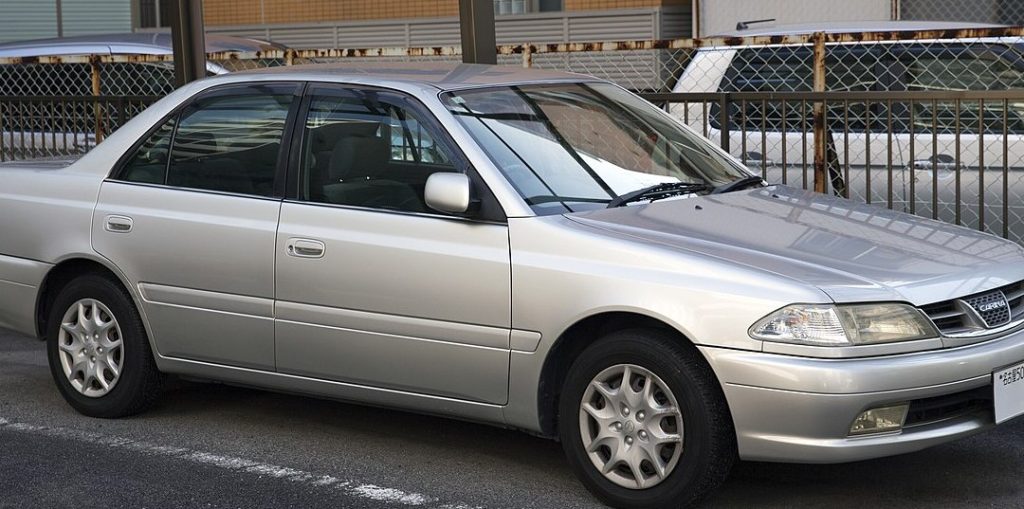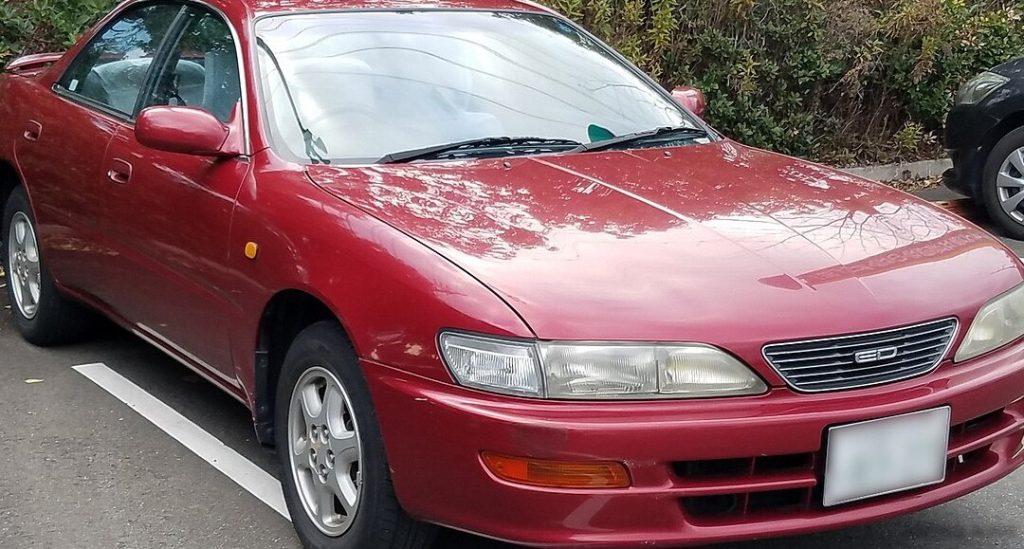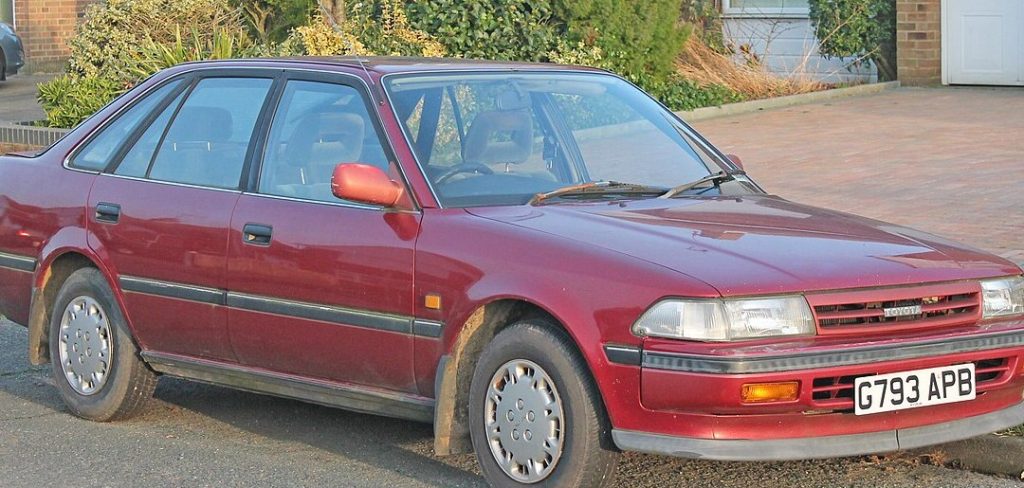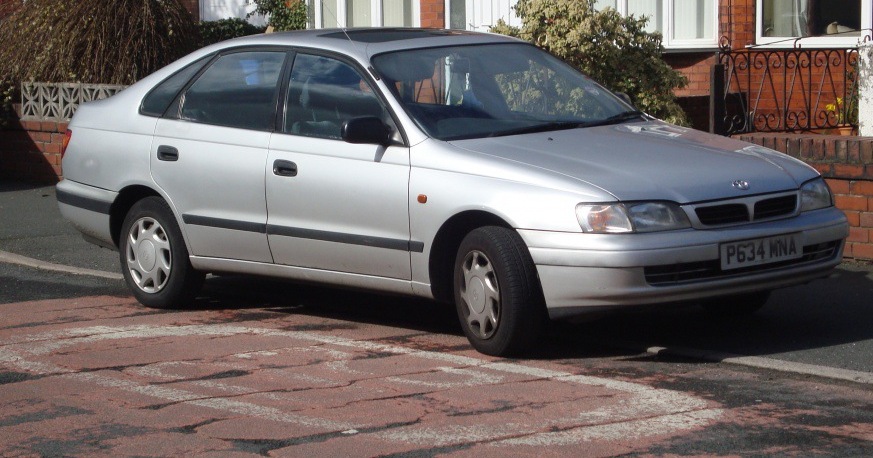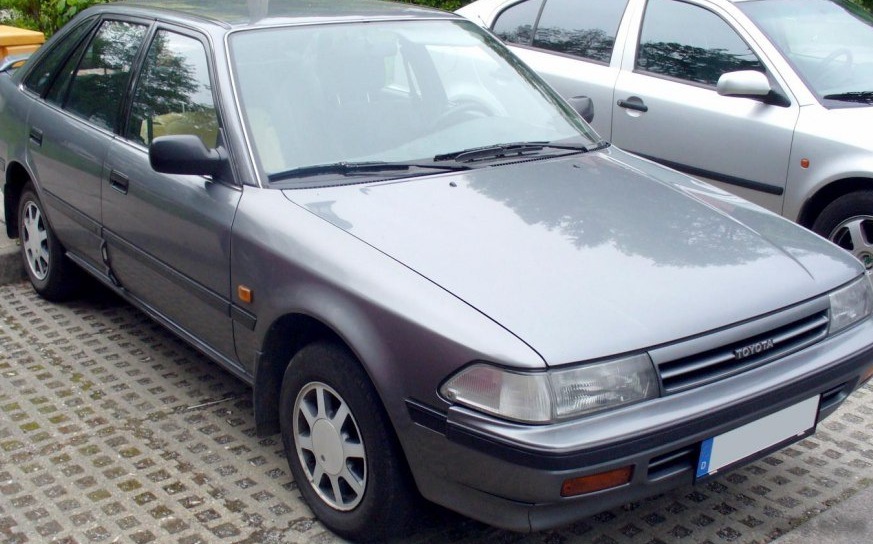
The Toyota Carina Hatch (T17) 1.6, specifically the AT171 variant producing 102 horsepower, was a key model in Toyota’s European and Japanese lineup from 1987 to 1992. Positioned as a practical and reliable family hatchback, the T17 Carina represented Toyota’s attempt to gain a stronger foothold in the competitive C-segment. This generation Carina, built on Toyota’s platform, offered a blend of affordability, comfort, and Toyota’s renowned build quality. The 1.6L AT171 served as a mid-range offering, slotting between the base 1.5L models and the more powerful 1.8L and 2.0L variants.
Technical Specifications
| Brand | Toyota |
| Model | Carina |
| Generation | Carina Hatch (T17) |
| Type (Engine) | 1.6 (AT171) (102 Hp) |
| Start of production | 1987 |
| End of production | 1992 |
| Powertrain Architecture | Internal Combustion engine |
| Body type | Hatchback |
| Seats | 5 |
| Doors | 5 |
| Fuel Type | Petrol (Gasoline) |
| Power | 102 Hp |
| Engine Model/Code | 4A-FE |
| Engine aspiration | Naturally aspirated engine |
| Engine oil capacity | 3.2 l (3.38 US qt | 2.82 UK qt) |
| Coolant capacity | 5.2 l (5.49 US qt | 4.58 UK qt) |
Powertrain & Engine Architecture
The heart of the AT171 Carina 1.6 was the 4A-FE engine, a 1.6-liter (1587 cc) inline-four cylinder gasoline engine. This engine was part of Toyota’s ‘A’ series, known for its reliability and relatively simple design. The 4A-FE featured a single overhead camshaft (SOHC) valvetrain with two valves per cylinder. Fuel delivery was managed by Toyota’s electronic fuel injection (EFI) system, contributing to improved fuel efficiency and reduced emissions compared to earlier carbureted engines. The engine produced 102 horsepower at 6,000 rpm and 108 lb-ft of torque at 4,400 rpm.
Paired with the 4A-FE was a four-speed automatic transmission. This transmission was a conventional hydraulic automatic, offering smooth shifts but lacking the sophistication of electronically controlled transmissions found in some contemporary vehicles. The automatic transmission was chosen to appeal to buyers prioritizing ease of use and comfort over sporty driving dynamics. The gear ratios were tuned for fuel economy and relaxed cruising, rather than outright acceleration.
Driving Characteristics
The Carina 1.6 AT171 offered a comfortable, if not particularly exciting, driving experience. The 102 horsepower engine provided adequate power for everyday driving, but acceleration was modest, especially when fully loaded. The automatic transmission contributed to a smooth and effortless driving style, making it well-suited for urban commutes and long highway journeys. Compared to the five-speed manual versions of the 1.6, the automatic suffered a noticeable performance penalty, with slower acceleration times. The manual transmission allowed for better control and a more engaging driving experience, while the automatic prioritized convenience. Against the larger-engined Carinas, the 1.6 felt noticeably less powerful, particularly when overtaking or climbing hills. However, the lighter engine weight did contribute to slightly improved handling and fuel economy.
Equipment & Trim Levels
The AT171 Carina 1.6 typically came equipped with a reasonable level of standard features for its time. These included power steering, central locking, and a basic stereo system. Interior upholstery was typically cloth, with a durable and practical design. Dashboard configuration was straightforward and functional, with clearly labeled controls. Optional extras included power windows, electric mirrors, and an upgraded sound system. Higher trim levels, often denoted by ‘GL’ or ‘XL’ badges, added features like alloy wheels, a sunroof, and more luxurious interior trim. The Carina wasn’t positioned as a luxury vehicle, so even the higher trim levels remained relatively understated.
Chassis & Braking
The Carina Hatch (T17) utilized a front-engine, front-wheel-drive layout. Suspension consisted of MacPherson struts at the front and a torsion beam axle at the rear. This setup provided a comfortable ride quality, although it wasn’t particularly sporty. The torsion beam rear suspension was a cost-effective solution, but it limited handling precision compared to independent rear suspension systems. Braking on the AT171 typically featured disc brakes at the front and drum brakes at the rear. The braking system was adequate for normal driving conditions, but lacked the stopping power of more advanced systems with ventilated discs and ABS. Stabilizer bars were fitted to both the front and rear axles to reduce body roll during cornering.
Market Reception & Comparison
The Toyota Carina Hatch (T17) 1.6 Automatic was generally well-received by critics as a sensible and reliable family car. It wasn’t a standout performer in any particular area, but it offered a good balance of practicality, comfort, and affordability. Fuel economy was a strong point, with the 1.6L engine returning around 30-35 mpg in mixed driving conditions. Compared to rivals like the Ford Escort, Vauxhall Astra, and Volkswagen Golf, the Carina was often praised for its build quality and reliability. However, some critics found the interior design to be somewhat bland and the driving experience uninspiring. The 1.8L and 2.0L Carina models offered more performance, but at a higher price point. The 1.6L automatic appealed to buyers who prioritized ease of use and fuel efficiency over sporty driving dynamics.
Legacy
The Toyota Carina Hatch (T17) 1.6 AT171 has proven to be a remarkably durable vehicle. Many examples are still on the road today, testament to Toyota’s engineering and build quality. The 4A-FE engine is known for its longevity and relatively low maintenance requirements. Common issues include oil leaks and wear on the automatic transmission, but these are generally manageable with regular maintenance. In the used car market, the Carina 1.6 AT171 remains an affordable and practical option for those seeking a reliable and economical hatchback. While it lacks the prestige of some contemporary vehicles, its reputation for dependability continues to attract buyers looking for a no-nonsense family car. Parts availability is generally good, although some trim-specific components may be difficult to find.