
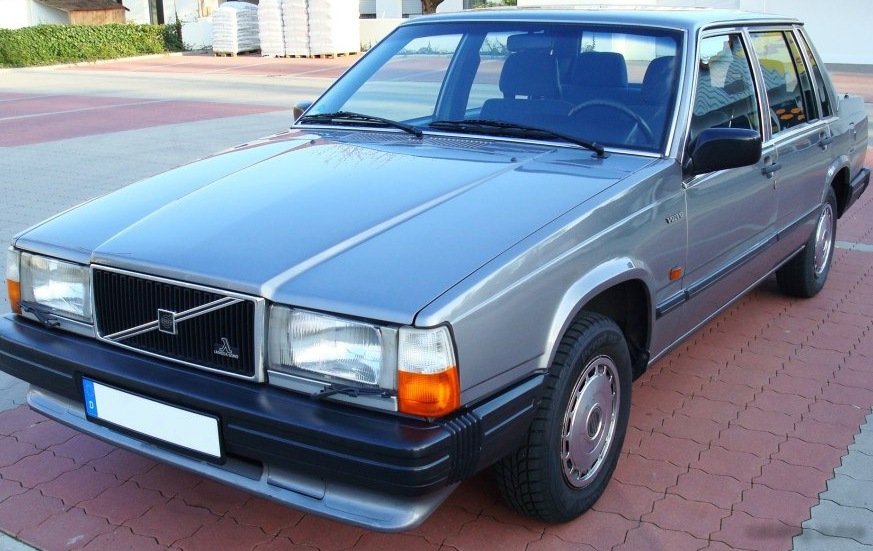
The Volvo 740, specifically the 744 model with the 2.3-liter (117 horsepower) engine, represented a significant offering in Volvo’s lineup from 1986 to 1988. This variant occupied a middle ground within the 740 series, balancing affordability with Volvo’s renowned safety and durability. It was part of the broader 700/900 series, known for its boxy but functional design and robust construction, and aimed at buyers seeking a practical, reliable family sedan. The 740 series, and the 744 in particular, became synonymous with Volvo’s commitment to longevity and passenger protection, establishing a strong presence in the North American market and solidifying Volvo’s reputation for building cars that simply lasted.
Technical Specifications
| Brand | Volvo |
| Model | 740 |
| Generation | 740 (744) |
| Type (Engine) | 2.3 (117 Hp) |
| Start of production | 1986 |
| End of production | 1988 |
| Powertrain Architecture | Internal Combustion engine |
| Body type | Sedan |
| Seats | 5 |
| Doors | 4 |
| Fuel Type | Petrol (Gasoline) |
| Power | 117 Hp |
| Engine Model/Code | B230F |
| Engine aspiration | Naturally aspirated engine |
| Engine oil capacity | 3.9 l / 4.12 US qt / 3.43 UK qt |
| Coolant capacity | 8.5 l / 8.98 US qt / 7.48 UK qt |
| Fuel tank capacity | 60 l / 15.85 US gal / 13.2 UK gal |
| Length | 4785 mm / 188.39 in. |
| Width | 1760 mm / 69.29 in. |
| Height | 1430 mm / 56.3 in. |
Powertrain & Engine Architecture
The heart of the 740 2.3 was the B230F engine, a 2.3-liter inline-four cylinder powerplant. This engine was a cornerstone of Volvo’s engineering during the 1980s and early 1990s, known for its overbuilt nature and inherent reliability. The B230F featured a cast iron block and an aluminum cylinder head, contributing to its durability. Fuel delivery was managed by Bosch mechanical fuel injection – a system chosen for its simplicity and dependability rather than outright performance. The engine utilized a single overhead camshaft (SOHC) valvetrain, operating two valves per cylinder. While not a particularly high-revving engine, it produced a respectable 117 horsepower and approximately 136 lb-ft of torque. This torque was available relatively low in the rev range, making the car surprisingly tractable for everyday driving.
The 740 2.3 was typically paired with a four-speed automatic transmission, designated AW71. This transmission, while smooth in operation, wasn’t known for its sporty character. It prioritized comfort and ease of use over rapid gear changes. The automatic transmission contributed to a more relaxed driving experience, appealing to buyers who prioritized convenience over performance. Manual transmission options were available in other 740 variants, offering a more engaging driving experience, but the automatic was a popular choice for family buyers.
Driving Characteristics
The 740 2.3 with the automatic transmission delivered a comfortable, if not exhilarating, driving experience. Acceleration was adequate for merging onto highways and passing slower traffic, but it wasn’t a particularly quick car. The automatic transmission’s gear ratios were geared towards fuel efficiency and smooth cruising, rather than aggressive acceleration. The engine’s low-end torque helped compensate for the lack of high-end power, providing reasonable responsiveness in everyday driving situations. Steering was relatively light and precise, and the suspension, while tuned for comfort, provided a stable and predictable ride. Compared to the turbocharged 740 models, the 2.3 was noticeably slower, but it offered a smoother and more refined driving experience. Compared to the manual transmission versions, the automatic traded some responsiveness for ease of use.
Equipment & Trim Levels
The 740 2.3 typically came with a fairly comprehensive list of standard features for its time. These included power steering, a basic stereo system, cloth upholstery, and manually adjustable seats. Air conditioning was often an optional extra, as were power windows and locks. Interior trim was generally functional and durable, reflecting Volvo’s emphasis on practicality. The dashboard layout was straightforward and easy to use, with clearly labeled controls. Higher trim levels offered upgrades such as leather upholstery, a sunroof, and upgraded audio systems. The 740 wasn’t a luxury car, but it offered a comfortable and well-equipped interior for its price point.
Chassis & Braking
The 740 2.3 utilized a traditional front-engine, rear-wheel-drive layout. The suspension consisted of MacPherson struts at the front and a solid axle with leaf springs at the rear. This setup provided a comfortable ride and good stability, but it wasn’t particularly sporty. Braking was initially accomplished with disc brakes at the front and drum brakes at the rear. Later models often featured disc brakes all around, improving stopping performance. The 740’s chassis was robust and well-built, contributing to its overall durability and longevity. A stabilizer bar was included at the front to reduce body roll during cornering.
Market Reception & Comparison
The Volvo 740 2.3 was generally well-received by critics and consumers alike. It was praised for its safety, reliability, and practicality. However, its performance was often criticized as being somewhat lackluster, especially compared to the turbocharged models. Fuel economy was reasonable for its time, but not exceptional. Compared to other sedans in its class, such as the BMW 3 Series or the Mercedes-Benz 190E, the 740 offered a different set of priorities – prioritizing safety and durability over outright performance and luxury. The 740 2.3 appealed to buyers who valued these qualities above all else.
Legacy
The Volvo 740 2.3, and the 740 series as a whole, has achieved a legendary status among automotive enthusiasts. These cars are known for their incredible durability and ability to withstand years of abuse. Many examples are still on the road today, a testament to Volvo’s engineering prowess. The B230F engine is particularly renowned for its reliability, and parts are still readily available. In the used car market, well-maintained 740s command a loyal following and can fetch surprisingly high prices. The 740 2.3 represents a bygone era of automotive engineering, where cars were built to last and safety was paramount. It remains a popular choice for those seeking a classic Volvo that is both reliable and affordable.
