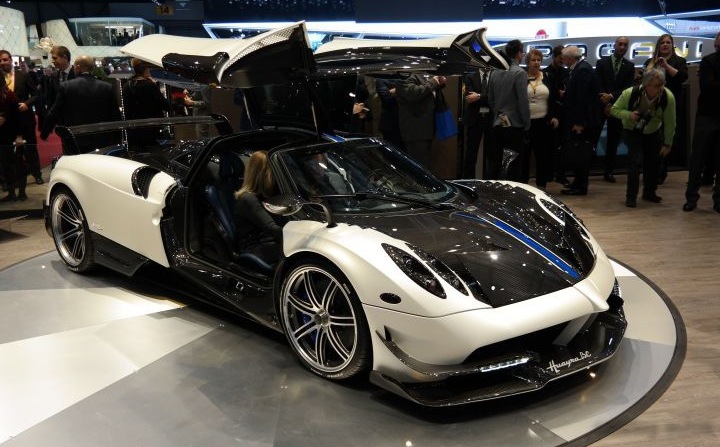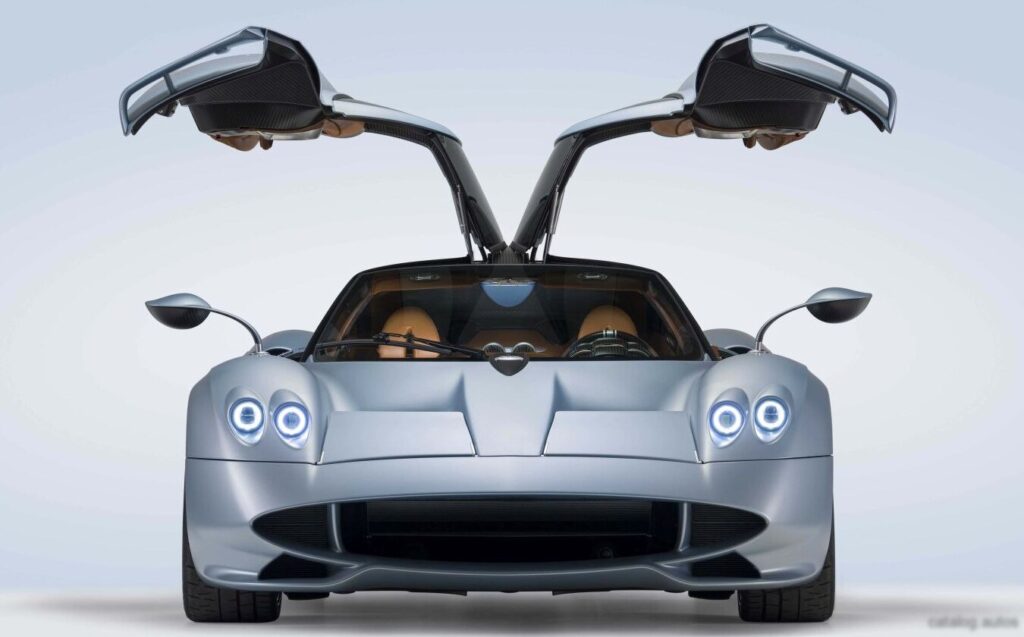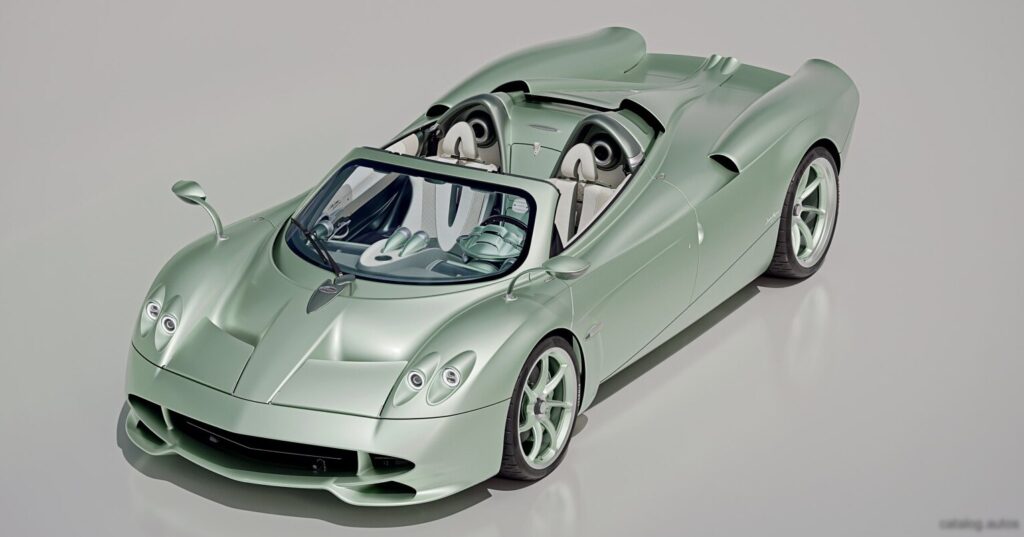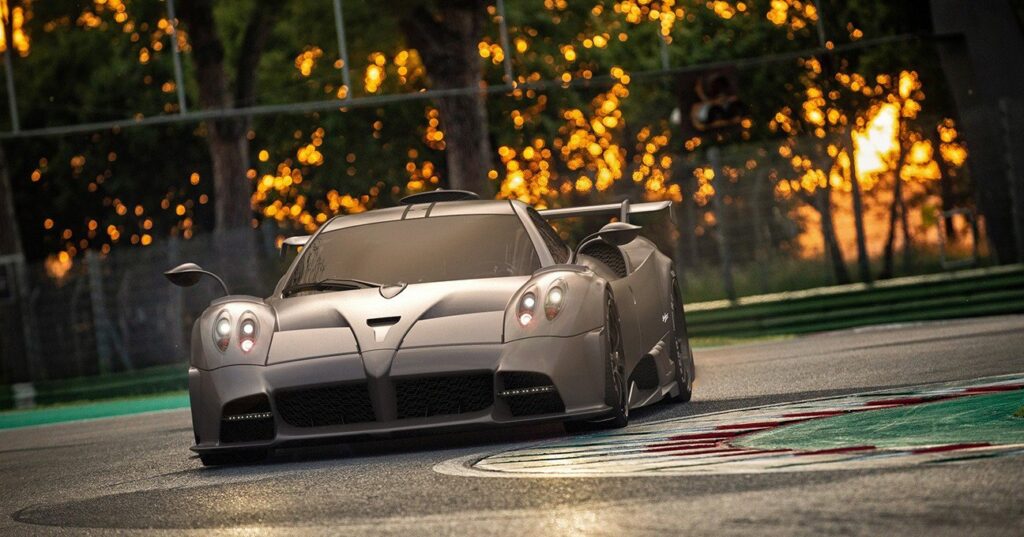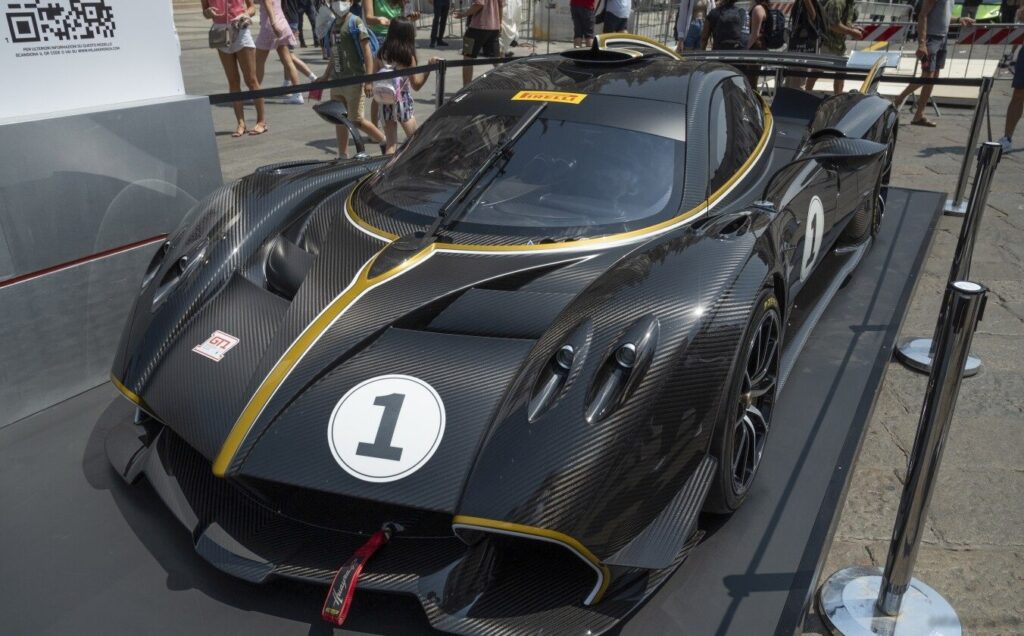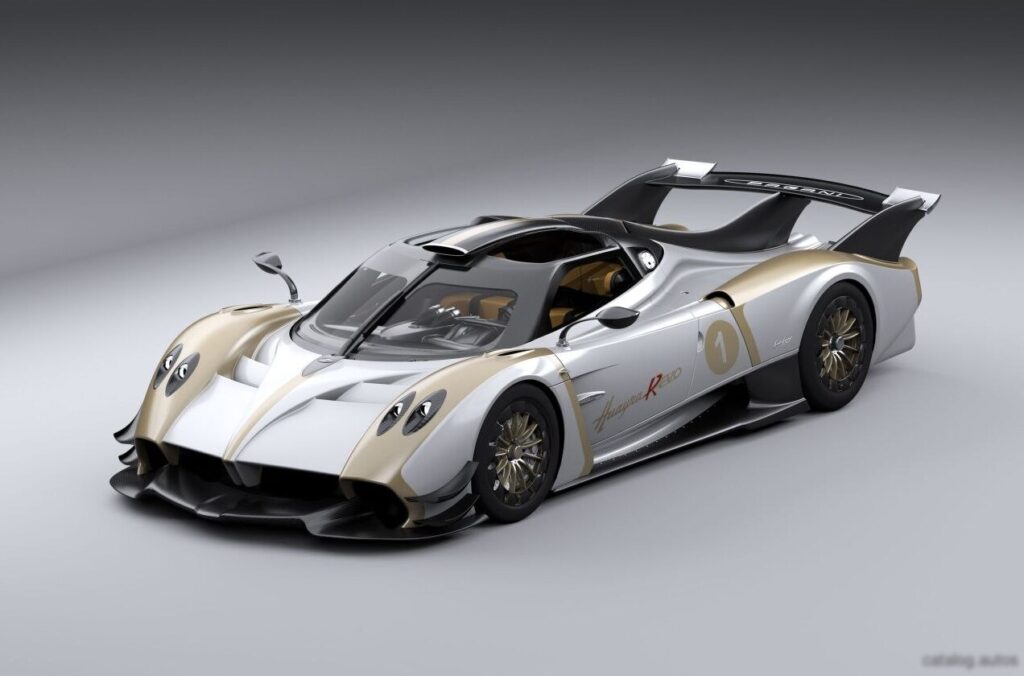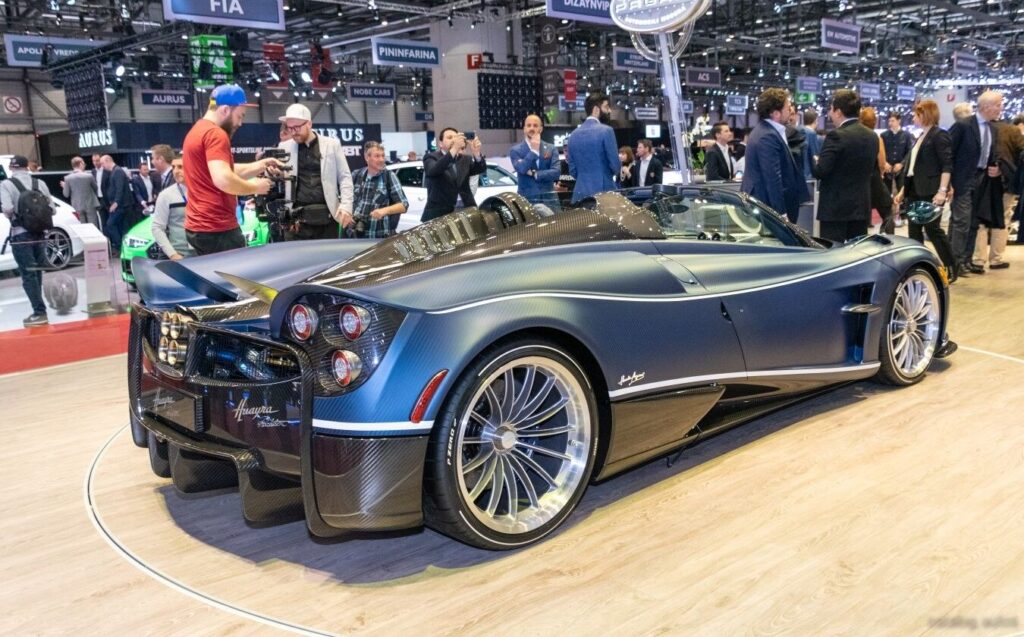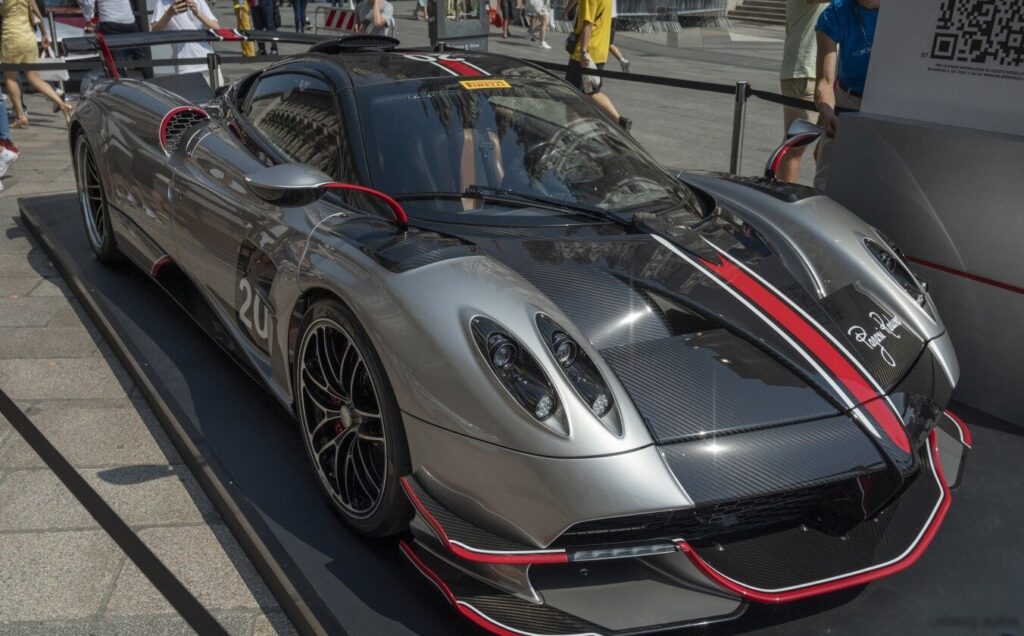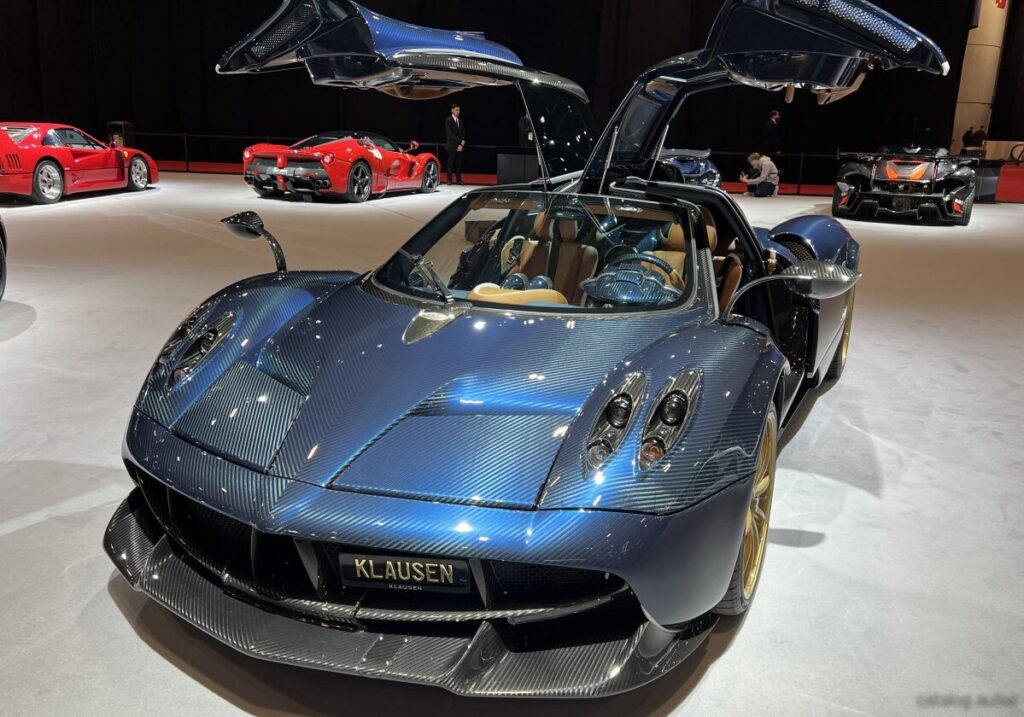
The Pagani Huayra 6.0 V12 (730 Hp) Automatic, produced from 2011 to 2018, represents a significant evolution in the hypercar landscape. As the successor to the Zonda, the Huayra aimed to blend breathtaking performance with a degree of usability previously unseen in this segment. This particular variant, featuring a 6.0-liter twin-turbocharged V12 engine paired with a 7-speed automatic transmission, occupied the core of the Huayra lineup, offering a balance between the raw, visceral experience of the manual-equipped models and the more accessible driving characteristics desired by a broader clientele. It was a pivotal model for Pagani, solidifying their position as a boutique manufacturer of ultra-high-performance vehicles.
Technical Specifications
| Brand | Pagani |
| Model | Huayra |
| Generation | Huayra |
| Type (Engine) | 6.0 V12 (730 Hp) Automatic |
| Start of production | 2011 |
| End of production | 2018 |
| Powertrain Architecture | Internal Combustion engine |
| Body type | Coupe |
| Seats | 2 |
| Doors | 2 |
| Fuel Type | Petrol (Gasoline) |
| Weight-to-power ratio | 1.8 kg/Hp, 540.7 Hp/tonne |
| Weight-to-torque ratio | 1.4 kg/Nm, 740.7 Nm/tonne |
| Power | 730 Hp @ 5800 rpm |
| Power per litre | 122.1 Hp/l |
| Torque | 1000 Nm @ 2250 rpm, 737.56 lb.-ft. @ 2250 rpm |
| Engine layout | Middle, Longitudinal |
| Engine displacement | 5980 cm3, 364.92 cu. in. |
| Number of cylinders | 12 |
| Engine configuration | V-engine |
| Engine aspiration | Twin-Turbo, Intercooler |
| Kerb Weight | 1350 kg, 2976.24 lbs |
| Length | 4605 mm, 181.3 in |
| Width | 2036 mm, 80.16 in |
| Width including mirrors | 2356 mm, 92.76 in |
| Height | 1169 mm, 46.02 in |
| Wheelbase | 2036 mm, 80.16 in |
| Drivetrain Architecture | The Internal combustion engine (ICE) drives the rear wheels of the vehicle. |
| Drive wheel | Rear wheel drive |
| Number of gears and type of gearbox | 7 gears, automatic transmission |
| Front brakes | Ventilated discs |
| Rear brakes | Ventilated discs |
| Assisting systems | ABS (Anti-lock braking system) |
| Steering type | Steering rack and pinion |
| Power steering | Electric Steering |
Powertrain & Engine Architecture
At the heart of the Huayra 6.0 V12 Automatic lies the M120 engine, a 6.0-liter V12 developed by Mercedes-AMG specifically for Pagani. This engine isn’t simply dropped in; Pagani extensively modifies it, including the installation of custom intake manifolds, intercoolers, and exhaust systems. The twin-turbocharger setup, utilizing precision ball-bearing turbochargers, delivers a staggering 730 horsepower at 5800 rpm and 1000 Nm (737.56 lb-ft) of torque from as low as 2250 rpm. The engine features direct fuel injection and four valves per cylinder, contributing to its impressive power output and responsiveness. The 7-speed automatic transmission, sourced from Xtrac, is a single-clutch automated manual gearbox, optimized for rapid shifts and direct power delivery. It’s not a traditional torque-converter automatic, but rather a highly sophisticated system designed to mimic the feel of a manual transmission while offering the convenience of automatic operation. The transmission’s programming prioritizes quick gear changes, crucial for maximizing performance on both the road and the track.
Driving Characteristics
The Huayra 6.0 V12 Automatic delivers a driving experience that is both exhilarating and surprisingly manageable. The automatic transmission, while incredibly fast-shifting, provides a smoother driving experience than the manual version, making it more suitable for everyday use (though “everyday” is a relative term for a hypercar). The engine’s immense torque is available across a broad rev range, providing effortless acceleration in any gear. The car’s weight distribution, combined with its advanced suspension system, contributes to exceptional handling and stability. Compared to the manual Huayra, the automatic version sacrifices a small degree of driver engagement, but gains in ease of use and accessibility. The gear ratios are carefully tuned to maximize acceleration, with shorter ratios in the lower gears for rapid launches and longer ratios for comfortable cruising at high speeds. The active aerodynamics, including adjustable flaps and spoilers, play a crucial role in optimizing downforce and stability at different speeds and driving conditions.
Equipment & Trim Levels
The Huayra, even in its base automatic configuration, was exceptionally well-equipped. Standard features included a luxurious interior trimmed with high-quality leather and carbon fiber, a sophisticated infotainment system, and air conditioning. Pagani offered an extensive range of customization options, allowing customers to personalize their Huayra to an almost limitless degree. These options included different interior color schemes, bespoke stitching patterns, and the use of exotic materials such as gold and silver. Optional extras also included upgraded audio systems, navigation systems, and various performance enhancements. The interior layout was driver-focused, with ergonomically designed seats and a clear, concise instrument panel. While not overtly minimalist, the Huayra’s interior prioritized functionality and a sense of occasion over outright luxury.
Chassis & Braking
The Huayra’s chassis is a carbon fiber monocoque, providing exceptional rigidity and lightness. This construction is key to the car’s impressive performance and handling. The suspension system utilizes double wishbones with adjustable dampers and springs, allowing for precise tuning to suit individual driving preferences. Braking duties are handled by ventilated carbon-ceramic discs at all four corners, providing immense stopping power and resistance to fade. The anti-lock braking system (ABS) is finely tuned to work in conjunction with the car’s active aerodynamics, ensuring optimal braking performance in all conditions. The steering system is a rack-and-pinion setup with electric power assistance, providing precise and responsive steering feel.
Market Reception & Comparison
The Pagani Huayra 6.0 V12 Automatic was widely praised by automotive critics for its breathtaking performance, stunning design, and surprisingly approachable driving characteristics. While the price tag – well over $1 million – placed it firmly in the realm of exclusivity, it was seen as a worthy successor to the Zonda. Compared to other hypercars of the era, such as the Ferrari LaFerrari and the McLaren P1, the Huayra offered a different kind of experience. It wasn’t solely focused on lap times; it prioritized driving pleasure and a sense of occasion. Fuel economy, unsurprisingly, was not a strong point, but the Huayra was never intended to be an economical vehicle. Reliability, while not a primary concern for most owners, was generally good for a hypercar, with Pagani providing excellent customer support.
Legacy
The Pagani Huayra 6.0 V12 Automatic has cemented its place as a modern classic. Its innovative design, powerful engine, and sophisticated technology continue to impress enthusiasts and collectors alike. On the used car market, Huayras command high prices, reflecting their rarity and desirability. The M120 engine, while complex, has proven to be relatively reliable when properly maintained. The Huayra’s legacy extends beyond its performance figures; it represents a commitment to craftsmanship, innovation, and the pursuit of automotive excellence. It paved the way for the Huayra BC and other special editions, further solidifying Pagani’s reputation as a manufacturer of truly exceptional hypercars.