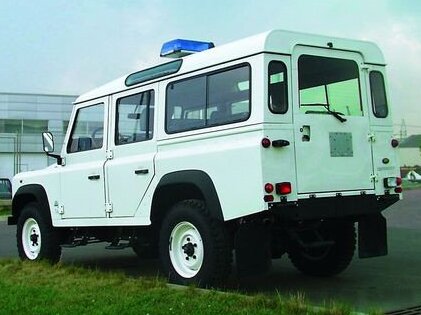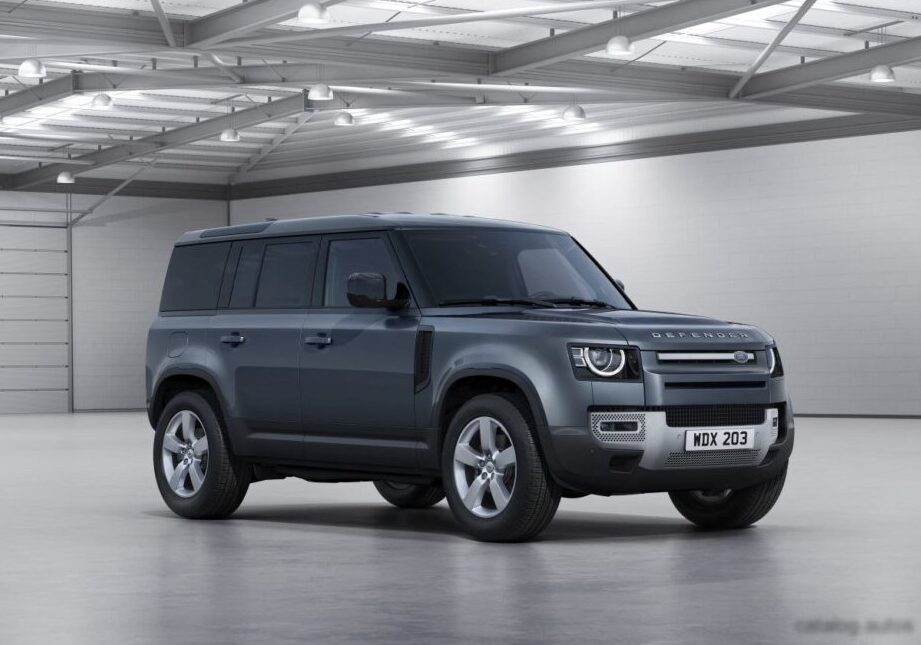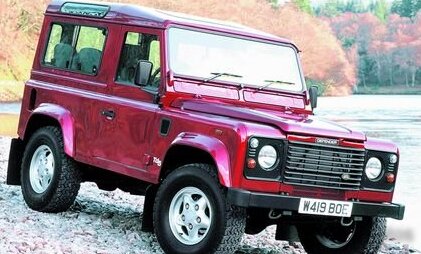
The Land Rover Defender 90 2.5, producing 84 horsepower, represents an early iteration of the iconic Defender lineage, specifically manufactured between 1985 and 1990. This variant occupied a crucial position within the broader Defender 90 range, serving as a relatively affordable and utilitarian entry point into the Land Rover experience. It was built upon the foundation of the original Land Rover design, continuously evolved since its inception in 1948, and formed part of the Series III and early Defender (One Ten/Ninety) transition period. The Defender 90, characterized by its short wheelbase, was designed for maneuverability and off-road prowess, appealing to farmers, rural workers, and enthusiasts seeking a rugged and capable vehicle.
Technical Specifications
| Brand | Land Rover |
| Model | Defender |
| Generation | Defender 90 |
| Type (Engine) | 2.5 (84 Hp) |
| Start of Production | 1985 |
| End of Production | 1990 |
| Powertrain Architecture | Internal Combustion Engine |
| Body Type | Off-Road Vehicle |
| Fuel Type | Petrol (Gasoline) |
| Power | 84 Hp |
| Engine Aspiration | Naturally Aspirated |
Powertrain & Engine Architecture
The heart of the Defender 90 2.5 was the 2.5-liter naturally aspirated four-cylinder petrol engine. This engine, often referred to as the ‘2.5 petrol’, was a relatively simple and robust design, prioritizing durability and ease of maintenance over outright performance. It featured a cast iron block and cylinder head, a configuration common in Land Rover engines of the era. The engine utilized a single overhead camshaft (SOHC) valvetrain, operating two valves per cylinder. Fuel delivery was managed by a Zenith-Stromberg carburetor, a technology that was becoming increasingly outdated by the mid-1980s but remained cost-effective and reliable. The engine produced 84 horsepower at approximately 3,750 rpm and 145 lb-ft of torque at 2,250 rpm. The transmission paired with this engine was typically a four-speed manual gearbox, although a three-speed automatic transmission was also available, albeit less common. The automatic transmission, a Borg-Warner unit, was known for its robustness but contributed to reduced fuel economy and slightly diminished off-road capability due to less precise control.
Driving Characteristics
The Defender 90 2.5, particularly in its 84 hp configuration, offered a driving experience focused on capability rather than speed. Acceleration was modest, and highway cruising required careful planning, especially when fully loaded. The engine’s torque, however, provided sufficient low-end grunt for tackling challenging terrain. The four-speed manual transmission allowed for a reasonable degree of control, while the automatic version, though convenient, felt somewhat sluggish. The short wheelbase of the Defender 90 contributed to a relatively bumpy ride on paved roads, but this was a trade-off for its exceptional maneuverability off-road. Gear ratios were relatively low, emphasizing pulling power over top-end speed. Compared to later Defender models with more powerful engines (such as the 200Tdi or 300Tdi), the 2.5 petrol felt significantly underpowered, particularly when carrying a load or traversing steep inclines. However, its simplicity and relatively light weight made it a capable performer in its intended environment.
Equipment & Trim Levels
The Defender 90 2.5 was typically offered in a fairly basic trim level, reflecting its utilitarian purpose. Standard equipment included steel wheels, vinyl upholstery, and a basic dashboard layout. Creature comforts were minimal, with options such as a heater, rudimentary sound system, and upgraded seating available at extra cost. Interior trim was generally sparse, with rubber floor mats and durable plastic panels. The focus was on functionality and ease of cleaning rather than luxury. Optional extras included a roll cage, additional lighting, and a winch, catering to those who intended to use their Defender for more demanding off-road activities. The exterior was typically finished in a practical color, such as white, green, or blue, with minimal brightwork.
Chassis & Braking
The Defender 90 2.5 utilized a traditional ladder frame chassis, renowned for its strength and durability. The suspension consisted of leaf springs at the front and rear, providing a robust but somewhat unsophisticated ride. Steering was a recirculating ball system, offering a direct but heavy feel. Braking was typically accomplished with disc brakes on the front wheels and drum brakes on the rear. The braking system was adequate for normal use but lacked the stopping power of more modern vehicles. Stabilizer bars were not typically fitted to the base Defender 90 2.5, contributing to its body roll on paved roads. The vehicle’s relatively high ground clearance and short wheelbase provided excellent off-road capability, allowing it to navigate obstacles with ease.
Market Reception & Comparison
The Defender 90 2.5 received mixed reviews. Critics acknowledged its exceptional off-road capability and rugged durability but often criticized its lack of refinement and relatively low performance. Compared to the diesel-powered Defenders (such as the 2.5 TDI), the petrol version offered less fuel economy and lower torque. However, it was generally considered more reliable than the early diesel variants, which were prone to mechanical issues. Within the Defender lineup, the 2.5 petrol served as an entry-level option, appealing to buyers who prioritized affordability and simplicity over performance and fuel efficiency. It was often favored by farmers and rural workers who needed a dependable workhorse. The automatic transmission version was less popular due to its reduced fuel economy and diminished off-road capability.
Legacy
The Land Rover Defender 90 2.5, while not the most powerful or refined Defender variant, holds a significant place in the model’s history. Its simplicity and durability have made it a popular choice among enthusiasts and collectors. The 2.5 petrol engine, though outdated by modern standards, is relatively easy to maintain and repair, making it a practical option for those who enjoy working on their vehicles. Today, well-maintained examples of the Defender 90 2.5 are sought after by collectors and off-road enthusiasts alike. The vehicle’s iconic design and legendary capability continue to inspire admiration and respect. While parts availability can be a challenge, a thriving aftermarket supports the continued operation and restoration of these classic Land Rovers. The 84hp version, while the least powerful, represents a pure and unadulterated expression of the original Land Rover spirit – a vehicle built for work, adventure, and enduring reliability.