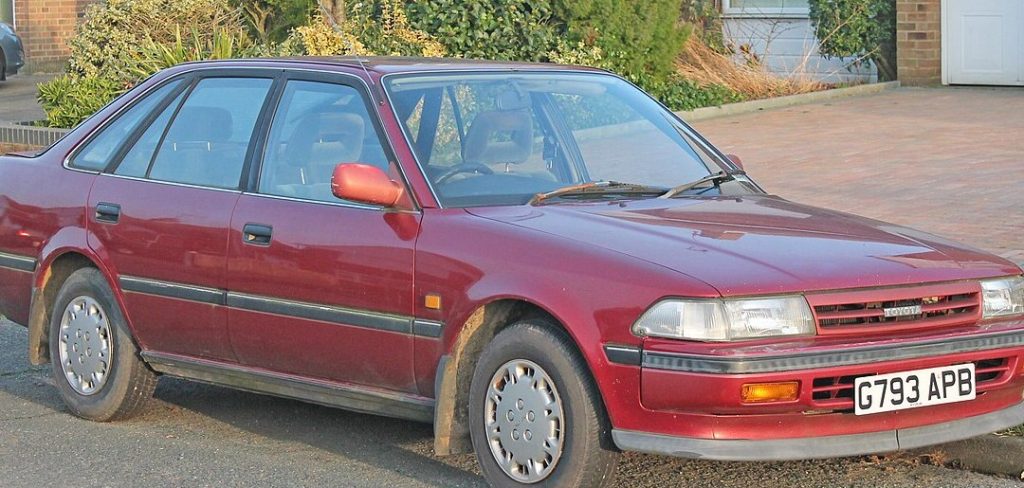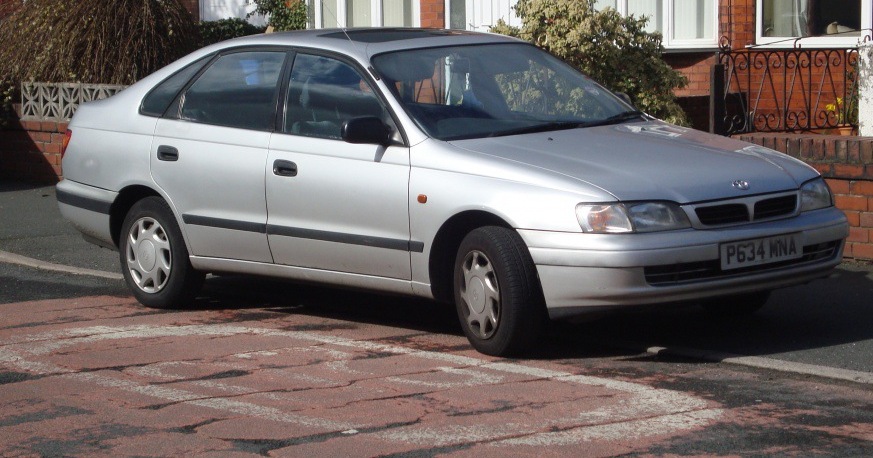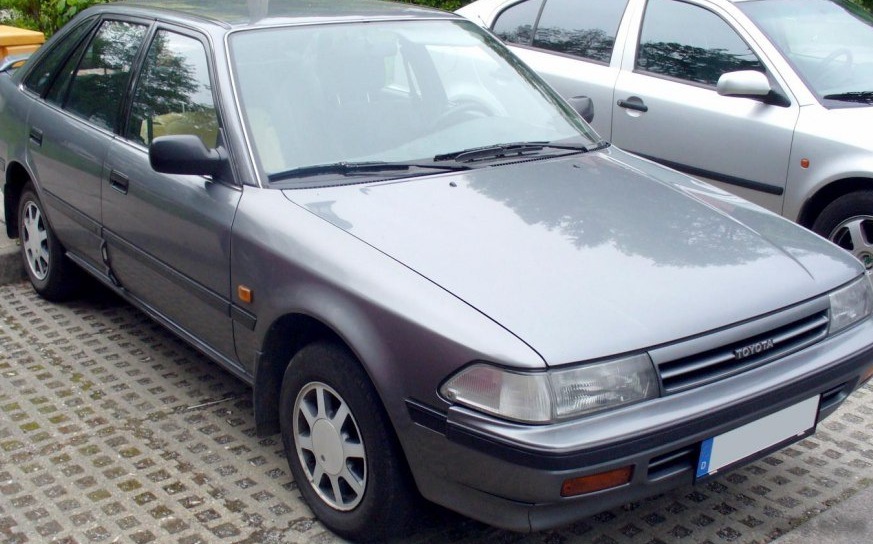
The Toyota Carina T17, produced between 1987 and 1992, represented a significant step forward for Toyota’s compact offerings. The 2.0 GLI (ST171) variant, powered by the 3S-FE engine producing 121 horsepower, occupied a mid-range position within the T17 lineup, offering a balance between performance, comfort, and affordability. This generation Carina aimed to appeal to buyers seeking a practical and reliable hatchback with a touch of sporting flair, primarily targeting the Japanese domestic market and select export regions. It was a competitor to models like the Honda Civic, Nissan Sentra, and Mazda 323.
Technical Specifications
| Brand | Toyota |
| Model | Carina |
| Generation | Carina Hatch (T17) |
| Type | 2.0 GLI (ST171) (121 Hp) |
| Start of Production | 1987 |
| End of Production | 1992 |
| Powertrain Architecture | Internal Combustion Engine |
| Body Type | Hatchback |
| Seats | 5 |
| Doors | 5 |
| Fuel Type | Petrol (Gasoline) |
| Power | 121 Hp |
| Engine Model/Code | 3S-FE |
| Engine Aspiration | Naturally Aspirated |
| Engine Oil Capacity | 4.1 l (4.33 US qt | 3.61 UK qt) |
| Coolant Capacity | 6.5 l (6.87 US qt | 5.72 UK qt) |
Powertrain & Engine Architecture
The heart of the Carina 2.0 GLI was the 3S-FE 2.0-liter inline-four cylinder engine. This engine was a key component of Toyota’s ‘S’ series, known for its reliability and relatively simple design. The 3S-FE featured a single overhead camshaft (SOHC) design with two valves per cylinder. Fuel delivery was managed by Toyota’s electronically controlled fuel injection system, contributing to improved fuel efficiency and reduced emissions compared to earlier carbureted engines. The engine block was cast iron, providing durability, while the cylinder head was aluminum alloy, helping to reduce weight. The 3S-FE produced 121 horsepower at 6,000 rpm and approximately 130 lb-ft of torque at 4,800 rpm. The ST171 typically came equipped with a four-speed automatic transmission. This transmission was a conventional hydraulic automatic, offering smooth shifts but lacking the efficiency of more modern electronically controlled units. The automatic transmission was geared towards comfortable cruising rather than outright performance.
Driving Characteristics
The Carina 2.0 GLI with the automatic transmission offered a comfortable and predictable driving experience. Acceleration was adequate for everyday driving, with a 0-60 mph time estimated around 10-11 seconds. However, the automatic transmission did detract from the engine’s potential, resulting in slower acceleration compared to the five-speed manual version. The gear ratios were optimized for fuel economy and smooth cruising, meaning the engine often felt strained during hard acceleration. The automatic transmission’s shift points were calibrated for relaxed driving, prioritizing comfort over sporty responsiveness. Handling was generally safe and predictable, but not particularly engaging. The suspension was tuned for ride comfort, absorbing bumps and imperfections in the road well. The steering was light and easy to use, making it well-suited for urban driving.
Equipment & Trim Levels
The 2.0 GLI trim level represented a step up from the base Carina models. Standard features typically included power steering, central locking, electric windows, and an upgraded interior trim. The interior usually featured cloth upholstery, although leather options were sometimes available as an extra-cost option. The dashboard layout was functional and straightforward, with clearly labeled controls. Optional extras could include air conditioning, a cassette player with upgraded speakers, and alloy wheels. The GLI trim also often featured body-colored bumpers and side moldings, adding a touch of visual appeal. The Carina T17 generally offered a good level of equipment for its price point, making it an attractive option for buyers seeking a well-equipped and reliable hatchback.
Chassis & Braking
The Carina T17 utilized a front-engine, front-wheel-drive layout. The suspension consisted of MacPherson struts at the front and a torsion beam axle at the rear. This setup provided a good balance between ride comfort and handling. Braking on the 2.0 GLI typically consisted of disc brakes at the front and drum brakes at the rear. While adequate for normal driving conditions, the rear drum brakes were a cost-saving measure and didn’t offer the same stopping power as disc brakes on all four wheels. The braking system was not equipped with ABS (Anti-lock Braking System) as standard, although it may have been available as an optional extra in some markets. The Carina’s chassis was relatively lightweight, contributing to its fuel efficiency and maneuverability.
Market Reception & Comparison
The Toyota Carina 2.0 GLI was generally well-received by automotive critics and consumers alike. It was praised for its reliability, build quality, and comfortable ride. However, some critics noted that the driving experience was somewhat bland and that the automatic transmission detracted from the engine’s performance. Compared to the manual transmission version, the automatic offered less engaging driving dynamics. Compared to other trims in the Carina lineup, the 2.0 GLI offered a good balance between performance and fuel economy. The smaller 1.6-liter engine was more fuel-efficient but lacked the power of the 2.0-liter, while the higher-spec trims with more powerful engines were more expensive. Fuel economy for the 2.0 GLI automatic was typically around 25-30 mpg in mixed driving conditions.
Legacy
The Toyota Carina T17, and specifically the 2.0 GLI variant, has proven to be a remarkably durable and reliable vehicle. The 3S-FE engine is known for its longevity, and many examples are still on the road today with high mileage. The automatic transmission, while not the most efficient, is also generally reliable if properly maintained. In the used car market, the Carina T17 is often sought after by buyers looking for an affordable and dependable vehicle. Parts availability can be a challenge in some regions, but many parts are still available through Toyota dealerships and aftermarket suppliers. The Carina T17 represents a solid example of Toyota’s commitment to building reliable and practical vehicles, and it remains a popular choice for those seeking a classic Japanese hatchback.