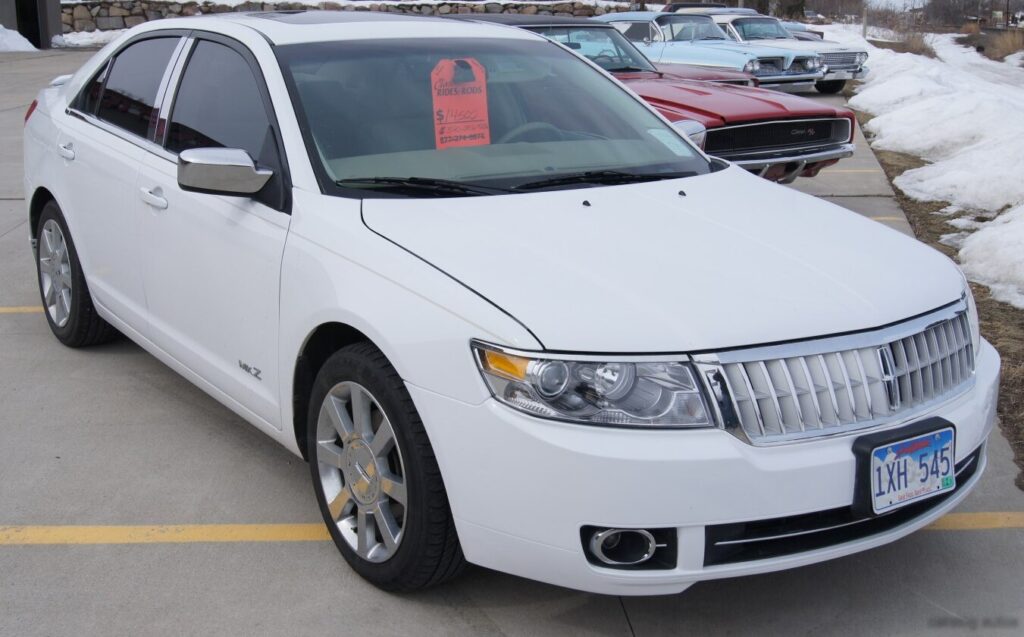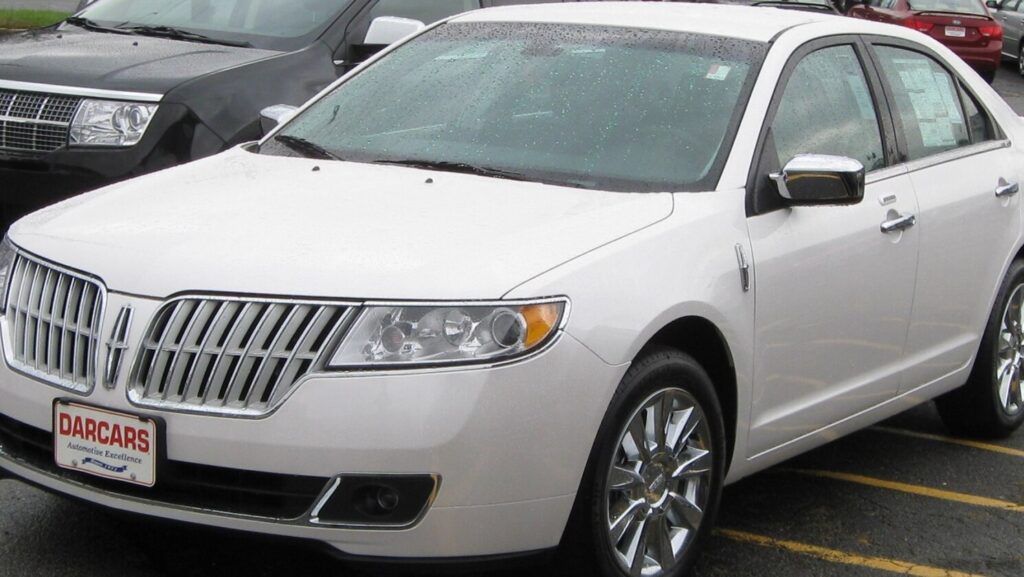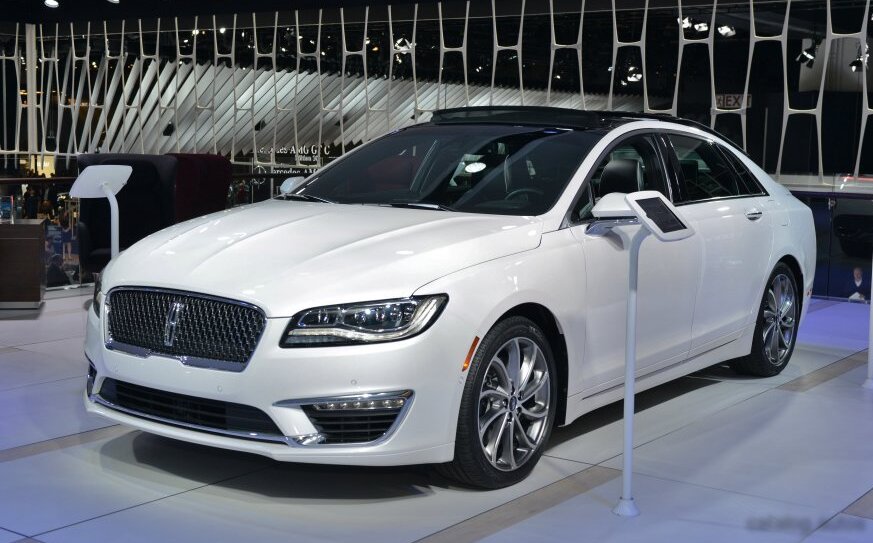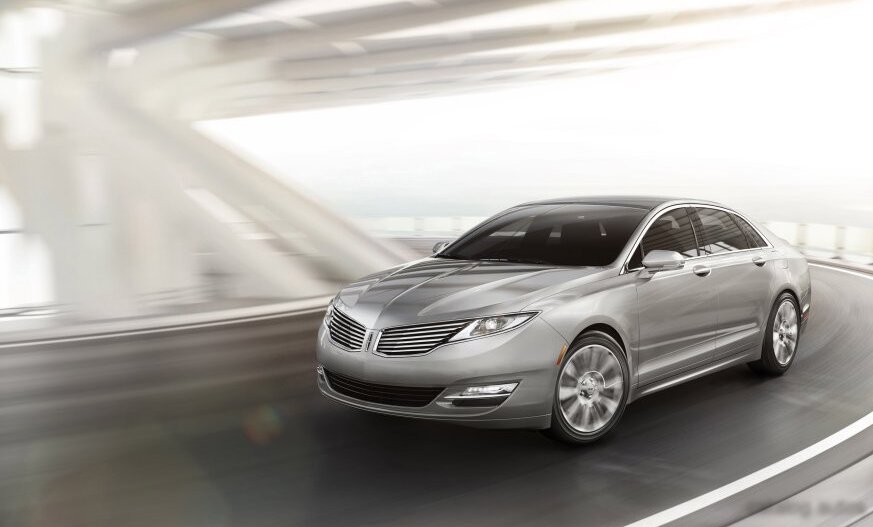
The Lincoln MKZ II, specifically the 2.0-liter EcoBoost variant with an automatic transmission, represents a significant chapter in Lincoln’s attempt to modernize its lineup and appeal to a broader audience. Produced from 2012 to 2016, this iteration of the MKZ (the second generation, internally designated as the MKZ II) aimed to blend luxury with a more contemporary design and improved fuel efficiency. This particular engine and transmission combination occupied a mid-range position within the MKZ II lineup, offering a balance between performance and affordability, slotting below the more powerful 3.7-liter V6 and often positioned as a more accessible alternative to European luxury sedans.
Technical Specifications
| Brand | Lincoln |
| Model | MKZ |
| Generation | MKZ II |
| Type (Engine) | 2.0 (240 Hp) Automatic |
| Start of production | 2012 |
| End of production | 2016 |
| Powertrain Architecture | Internal Combustion engine |
| Body type | Sedan |
| Seats | 5 |
| Doors | 4 |
| Fuel consumption (urban) | 10.7 l/100 km (22 US mpg) |
| Fuel consumption (extra urban) | 7.1 l/100 km (33.1 US mpg) |
| Fuel consumption (combined) | 9 l/100 km (26.1 US mpg) |
| Fuel Type | Petrol (Gasoline) |
| Weight-to-power ratio | 7 kg/Hp |
| Weight-to-torque ratio | 4.6 kg/Nm |
| Power | 240 Hp @ 5500 rpm |
| Power per litre | 120.1 Hp/l |
| Torque | 366 Nm @ 3000 rpm (269.95 lb.-ft. @ 3000 rpm) |
| Maximum engine speed | 6800 rpm |
| Engine layout | Front, Transverse |
| Engine Model/Code | EcoBoost |
| Engine displacement | 1999 cm3 (121.99 cu. in.) |
| Number of cylinders | 4 |
| Engine configuration | Inline |
| Cylinder Bore | 87.5 mm (3.44 in.) |
| Piston Stroke | 83.1 mm (3.27 in.) |
| Compression ratio | 9.3:1 |
| Number of valves per cylinder | 4 |
| Fuel injection system | Direct injection |
| Engine aspiration | Turbocharger, Intercooler |
| Valvetrain | DOHC, Ti-VCT |
| Engine oil capacity | 5.4 l (5.71 US qt | 4.75 UK qt) |
| Coolant | 8.4 l (8.88 US qt | 7.39 UK qt) |
| Kerb Weight | 1687 kg (3719.2 lbs.) |
| Trunk (boot) space – maximum | 436 l (15.4 cu. ft.) |
| Fuel tank capacity | 62 l (16.38 US gal | 13.64 UK gal) |
| Length | 4930 mm (194.09 in.) |
| Width | 1864 mm (73.39 in.) |
| Height | 1478 mm (58.19 in.) |
| Wheelbase | 2850 mm (112.2 in.) |
| Front track | 1582 mm (62.28 in.) |
| Rear (Back) track | 1575 mm (62.01 in.) |
| Drag coefficient (Cd) | 0.30 |
| Minimum turning circle | 11.9 m (39.04 ft.) |
| Drivetrain Architecture | Front wheel drive |
| Number of gears and type of gearbox | 6 gears, automatic transmission SelectShift |
| Front brakes | Ventilated discs |
| Rear brakes | Disc |
| Tires size | 245/45 R18 |
| Wheel rims size | 18 |
Powertrain & Engine Architecture
The heart of the MKZ II 2.0 is Ford’s 2.0-liter EcoBoost inline-four cylinder engine. This engine, part of Ford’s EcoBoost family, utilizes direct fuel injection combined with a single turbocharger and intercooler to deliver a compelling blend of power and efficiency. The engine code is generally associated with the broader EcoBoost platform, and specific variations exist depending on the model year. The 2.0-liter EcoBoost features a double overhead camshaft (DOHC) valvetrain with variable valve timing (Ti-VCT) on both intake and exhaust valves, optimizing performance across the rev range. The engine’s 9.3:1 compression ratio strikes a balance between efficiency and performance. Paired with this engine is a six-speed automatic transmission, marketed by Lincoln as “SelectShift.” This transmission offers a manual shift mode, allowing drivers some control over gear selection, though it’s primarily geared towards smooth, automatic operation.
Driving Characteristics
The 240 horsepower and 269 lb-ft of torque produced by the 2.0-liter EcoBoost engine provide the MKZ II with adequate performance for everyday driving. Acceleration is brisk, though not as exhilarating as the 3.7-liter V6 model. The automatic transmission is tuned for comfort, with smooth shifts and a focus on fuel economy. Compared to manual transmission versions (available in other MKZ trims), the automatic offers less driver engagement but greater convenience. The gear ratios are optimized for cruising, making the MKZ II a comfortable highway companion. While the 2.0L doesn’t deliver the same sporty feel as some competitors, it provides a refined and capable driving experience.
Equipment & Trim Levels
The 2.0-liter EcoBoost MKZ II typically came standard with features such as leather upholstery, dual-zone automatic climate control, a rearview camera, and Lincoln’s Sync infotainment system. Higher trim levels added features like a premium sound system, navigation, heated and ventilated front seats, and advanced safety technologies such as blind-spot monitoring and lane-keeping assist. Optional extras included a panoramic sunroof, adaptive cruise control, and upgraded interior trim materials. The standard interior configuration featured a modern dashboard design with a focus on user-friendliness.
Chassis & Braking
The MKZ II utilizes a front-wheel-drive platform with independent front suspension and a multi-link rear suspension. The suspension is tuned for a comfortable ride, prioritizing smoothness over sporty handling. Front brakes are ventilated discs, providing ample stopping power, while rear brakes are solid discs. Anti-lock braking system (ABS) is standard. The MKZ II’s chassis is designed to provide a stable and predictable driving experience, though it doesn’t offer the same level of agility as some rear-wheel-drive competitors. Stabilizer bars are incorporated into both the front and rear suspension to reduce body roll during cornering.
Market Reception & Comparison
Critics generally praised the MKZ II 2.0 for its fuel efficiency and comfortable ride. The EcoBoost engine was lauded for its ability to deliver respectable performance without sacrificing economy. However, some reviewers found the interior materials to be slightly below the standards set by some European luxury brands. Compared to the 3.7-liter V6 MKZ, the 2.0-liter model offered better fuel economy but less overall power. Against competitors like the Acura TLX and Lexus ES, the MKZ II 2.0 offered a competitive price point and a distinctive design, but often lagged behind in terms of brand prestige and long-term reliability ratings.
Legacy
The Lincoln MKZ II 2.0 EcoBoost Automatic represents a transitional period for the Lincoln brand. While it didn’t achieve the sales success of some of its competitors, it demonstrated Lincoln’s commitment to modernizing its lineup and offering more fuel-efficient options. The 2.0-liter EcoBoost engine proved to be a reliable powertrain, though some owners have reported issues with the turbocharger and fuel injectors over time. In the used car market, the MKZ II 2.0 remains an affordable and relatively reliable option for buyers seeking a comfortable and well-equipped mid-size sedan. Its blend of style, comfort, and fuel efficiency continues to appeal to a segment of the market, making it a noteworthy vehicle in Lincoln’s history.