
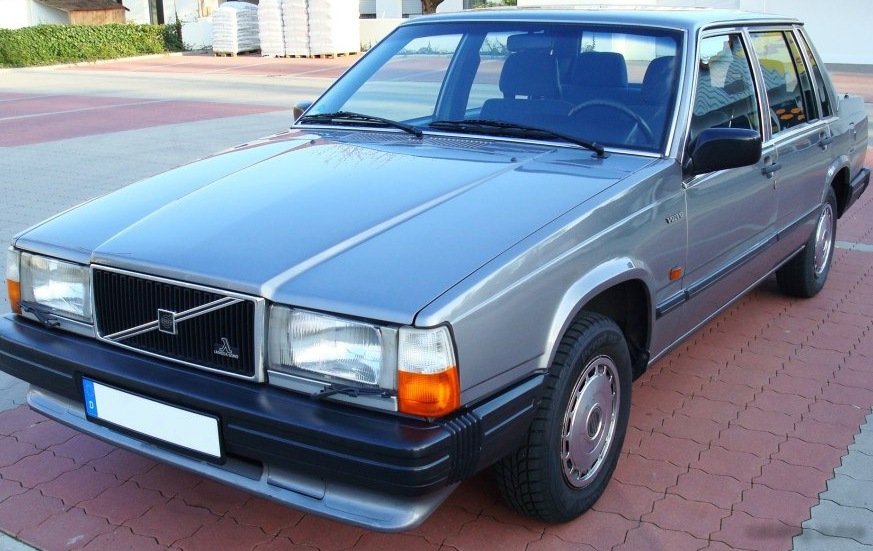
The Volvo 740 2.3 16V, produced between 1988 and 1989, represents a performance-oriented variant within the broader 740 series (744 chassis code). Positioned as a step up from the base models, it aimed to offer enthusiasts a more engaging driving experience while retaining the renowned Volvo safety and practicality. This model year marked a significant evolution for the 740, incorporating a more powerful, sixteen-valve engine and subtle styling refinements. It was part of the second generation of the 700/900 series, known for its robust build quality and longevity, and served as a bridge between the earlier, simpler 740s and the more technologically advanced models that followed.
Technical Specifications
| Brand | Volvo |
| Model | 740 |
| Generation | 740 (744) |
| Type (Engine) | 2.3 16V (159 Hp) |
| Start of production | 1988 |
| End of production | 1989 |
| Powertrain Architecture | Internal Combustion engine |
| Body type | Sedan |
| Seats | 5 |
| Doors | 4 |
| Fuel Type | Petrol (Gasoline) |
| Power | 159 Hp |
| Engine Model/Code | B234F |
| Engine aspiration | Naturally aspirated engine |
| Engine oil capacity | 3.9 l (4.12 US qt | 3.43 UK qt) |
| Coolant capacity | 9.3 l (9.83 US qt | 8.18 UK qt) |
| Fuel tank capacity | 60 l (15.85 US gal | 13.2 UK gal) |
| Length | 4785 mm (188.39 in) |
| Width | 1760 mm (69.29 in) |
| Height | 1430 mm (56.3 in) |
Powertrain & Engine Architecture
The heart of the 740 2.3 16V is the B234F engine, a 2.3-liter inline-four cylinder powerplant. This engine is a significant upgrade over the earlier 8-valve versions, featuring a dual overhead camshaft (DOHC) design with four valves per cylinder. This 16-valve configuration allows for improved breathing and higher engine speeds, resulting in the 159 horsepower output. Fuel delivery is managed by Bosch mechanical fuel injection, a system known for its reliability and relatively simple maintenance. The engine block is cast iron, contributing to its durability, while the cylinder head is aluminum. The B234F boasts a relatively high compression ratio for the time, around 9.5:1, further enhancing performance. Volvo’s reputation for robust engineering is evident in the engine’s over-engineered components, designed for long-term reliability. The transmission offered was typically a four-speed automatic, although a five-speed manual was also available. The automatic transmission, while providing convenience, was not known for its sporty characteristics, prioritizing smooth shifts over aggressive downshifts.
Driving Characteristics
The 159 hp output of the 2.3 16V engine provides a noticeable improvement in acceleration compared to the lower-powered 740 variants. While not a sports car by any means, the 740 2.3 16V offers brisk performance for its size and class. The automatic transmission, while smooth, does detract somewhat from the driving experience. Gear ratios are geared towards fuel efficiency and comfortable cruising rather than outright acceleration. The car feels stable and planted on the road, thanks to its relatively heavy weight and well-tuned suspension. Steering is precise but requires a bit of effort, typical of Volvo steering systems of the era. Compared to the manual transmission version, the automatic sacrifices some responsiveness, but it remains a capable and comfortable cruiser. The 16-valve engine delivers a linear power curve, making it easy to modulate throttle and maintain control in various driving conditions.
Equipment & Trim Levels
The 740 2.3 16V typically came with a fairly comprehensive list of standard features for the late 1980s. Interior upholstery was usually a durable cloth, with optional leather available. The dashboard layout is functional and straightforward, with clearly marked gauges and controls. Power steering, central locking, and electric windows were common features. Optional extras included a sunroof, upgraded audio system, and heated seats. The trim level generally sat between the base 740 models and the more luxurious 760 series. The focus was on providing a well-equipped and comfortable vehicle without the added expense of premium features. Safety features, as expected from Volvo, were prominent, including three-point seatbelts for all occupants and a reinforced safety cage.
Chassis & Braking
The 740 2.3 16V utilizes a MacPherson strut front suspension and a solid axle rear suspension. The rear axle is located by trailing arms and a Panhard rod. This setup provides a good balance between ride comfort and handling. Braking is typically accomplished with disc brakes on the front wheels and drum brakes on the rear. The braking system is adequate for the car’s weight and performance, but it lacks the stopping power of more modern systems. Stabilizer bars are fitted to both the front and rear axles to reduce body roll during cornering. The chassis is robust and well-built, contributing to the car’s overall durability and longevity.
Market Reception & Comparison
The Volvo 740 2.3 16V was generally well-received by automotive critics. It was praised for its strong engine, comfortable ride, and exceptional safety features. However, some critics noted that the automatic transmission detracted from the driving experience and that the car’s styling was somewhat conservative. Compared to other trims in the 740 lineup, the 2.3 16V offered a significant performance boost, but at a slightly higher price point. Fuel economy was reasonable for the time, averaging around 22-26 mpg in mixed driving. Reliability was a strong point, with the B234F engine proving to be exceptionally durable. Compared to competitors like the BMW 3 Series and Audi 80, the 740 2.3 16V offered a different proposition – prioritizing safety, practicality, and long-term reliability over outright sporting performance.
Legacy
The Volvo 740 2.3 16V has developed a strong following among enthusiasts and classic car collectors. The B234F engine is known for its robustness and potential for modification. The car’s simple mechanical design makes it relatively easy to maintain and repair. In the used car market today, well-maintained examples of the 740 2.3 16V are becoming increasingly sought after. The combination of Volvo’s reputation for safety, the engine’s durability, and the car’s classic styling has ensured its enduring appeal. While finding parts can sometimes be a challenge, a dedicated community of Volvo enthusiasts ensures that support and resources are readily available. The 740 2.3 16V stands as a testament to Volvo’s commitment to building safe, reliable, and long-lasting automobiles.
