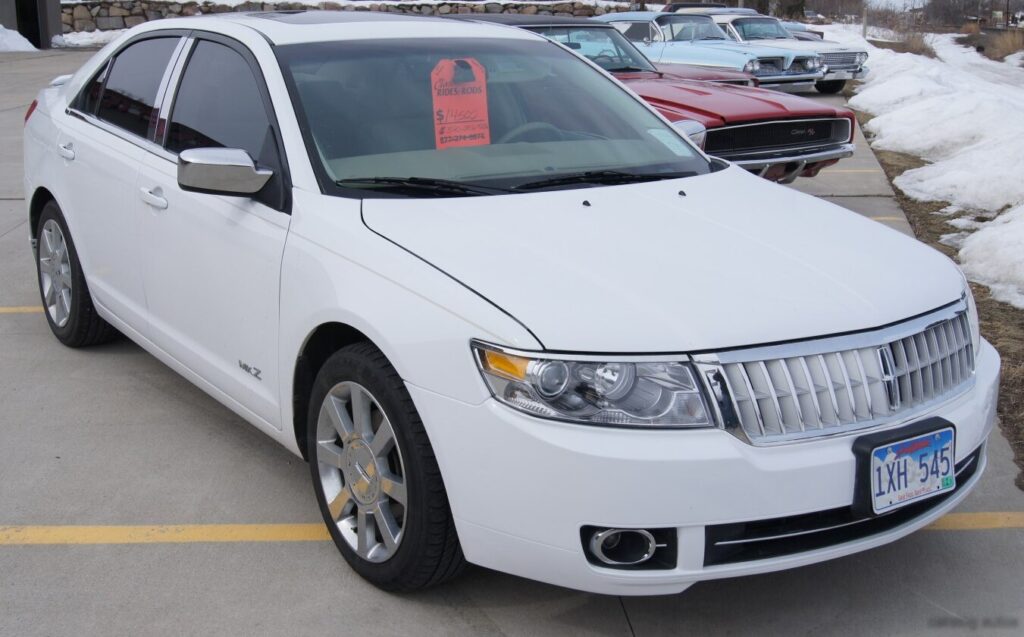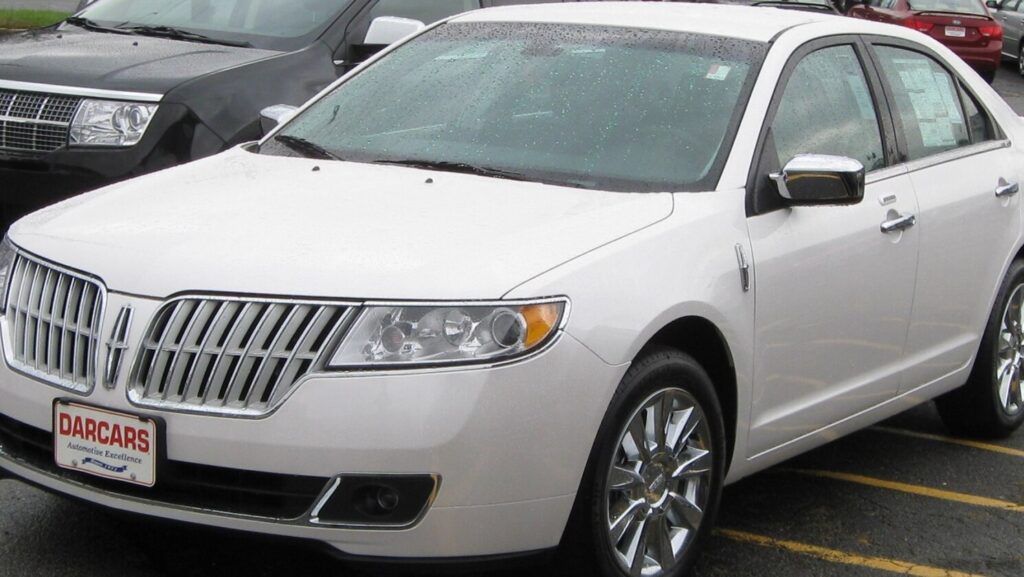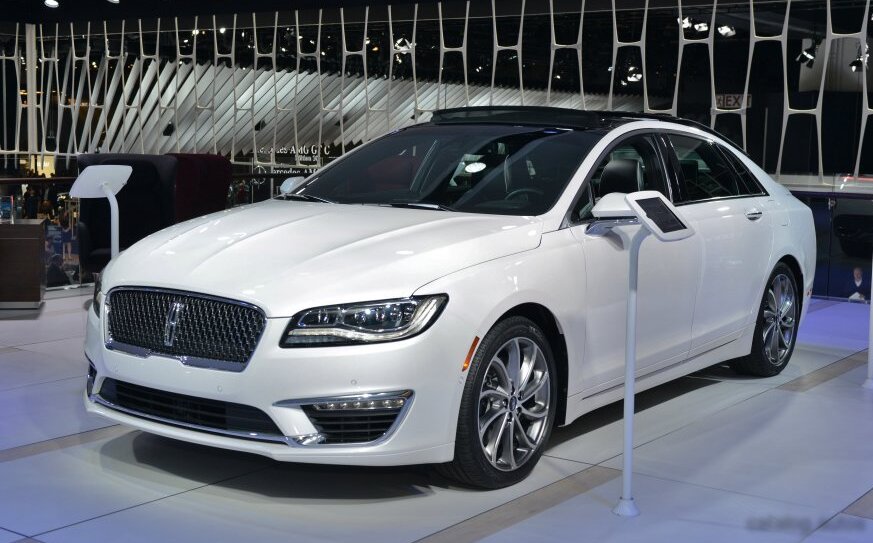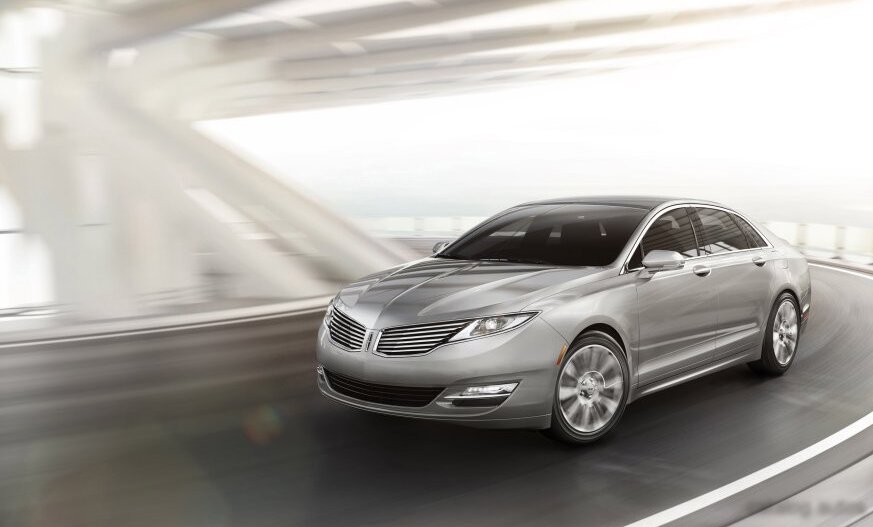
The Lincoln MKZ II, specifically the 2.0-liter EcoBoost AWD Automatic variant, represented a significant step forward for Lincoln in the mid-size luxury sedan segment. Produced from 2012 to 2016, this iteration of the MKZ aimed to blend American comfort with a more modern, European-inspired driving experience. Positioned as a mid-range offering within the MKZ II lineup, it slotted between the base 2.5L naturally aspirated engine and the more powerful 3.7L V6 models. The MKZ II, built on the Ford CD3 platform (shared with the Ford Fusion and other Ford Motor Company vehicles), was intended to revitalize the Lincoln brand and attract a younger demographic.
Technical Specifications
| Brand | Lincoln |
| Model | MKZ |
| Generation | MKZ II |
| Type (Engine) | 2.0 (240 Hp) AWD Automatic |
| Start of production | 2012 |
| End of production | 2016 |
| Powertrain Architecture | Internal Combustion engine |
| Body type | Sedan |
| Seats | 5 |
| Doors | 4 |
| Fuel consumption (urban) | 10.7 l/100 km (22 US mpg) |
| Fuel consumption (extra urban) | 7.6 l/100 km (30.9 US mpg) |
| Fuel consumption (combined) | 9.4 l/100 km (25 US mpg) |
| Fuel Type | Petrol (Gasoline) |
| Weight-to-power ratio | 7.3 kg/Hp |
| Weight-to-torque ratio | 4.8 kg/Nm |
| Power | 240 Hp @ 5500 rpm |
| Power per litre | 120.1 Hp/l |
| Torque | 366 Nm @ 3000 rpm (269.95 lb.-ft. @ 3000 rpm) |
| Maximum engine speed | 6800 rpm |
| Engine layout | Front, Transverse |
| Engine Model/Code | EcoBoost |
| Engine displacement | 1999 cm3 (121.99 cu. in.) |
| Number of cylinders | 4 |
| Engine configuration | Inline |
| Cylinder Bore | 87.5 mm (3.44 in.) |
| Piston Stroke | 83.1 mm (3.27 in.) |
| Compression ratio | 9.3:1 |
| Number of valves per cylinder | 4 |
| Fuel injection system | Direct injection |
| Engine aspiration | Turbocharger, Intercooler |
| Valvetrain | DOHC, Ti-VCT |
| Engine oil capacity | 5.4 l (5.71 US qt | 4.75 UK qt) |
| Coolant | 8.4 l (8.88 US qt | 7.39 UK qt) |
| Kerb Weight | 1757 kg (3873.52 lbs.) |
| Trunk (boot) space – maximum | 436 l (15.4 cu. ft.) |
| Fuel tank capacity | 68 l (17.96 US gal | 14.96 UK gal) |
| Length | 4930 mm (194.09 in.) |
| Width | 1864 mm (73.39 in.) |
| Height | 1478 mm (58.19 in.) |
| Wheelbase | 2850 mm (112.2 in.) |
| Front track | 1582 mm (62.28 in.) |
| Rear (Back) track | 1575 mm (62.01 in.) |
| Drag coefficient (Cd) | 0.30 |
| Minimum turning circle (turning diameter) | 11.9 m (39.04 ft.) |
| Drive wheel | All wheel drive (4×4) |
| Number of gears and type of gearbox | 6 gears, automatic transmission SelectShift |
| Front brakes | Ventilated discs |
| Rear brakes | Disc |
| Assisting systems | ABS (Anti-lock braking system) |
| Steering type | Steering rack and pinion |
| Power steering | Electric Steering |
| Tires size | 245/45 R18 |
| Wheel rims size | 18 |
Powertrain & Engine Architecture
The heart of the MKZ 2.0 AWD was the 2.0-liter EcoBoost inline-four cylinder engine. This engine, part of Ford’s EcoBoost family, utilized direct fuel injection and a single turbocharger with an intercooler to deliver a respectable 240 horsepower and 366 lb-ft of torque. The engine code is generally associated with the Ford EcoBoost engine family, and specific variations existed depending on the model year. The engine featured a double overhead camshaft (DOHC) valvetrain with variable valve timing (Ti-VCT) on both intake and exhaust valves, optimizing performance and efficiency. The six-speed automatic transmission, branded as SelectShift, offered a blend of smooth automatic operation and the ability for the driver to manually select gears via steering wheel-mounted paddle shifters or the gear selector. This transmission was tuned for comfort and refinement, prioritizing smooth shifts over aggressive performance.
Driving Characteristics
The 2.0-liter EcoBoost engine provided adequate power for most driving situations. While not as exhilarating as the 3.7L V6, it offered a good balance of performance and fuel economy. Acceleration from 0 to 60 mph was typically in the 7.5-8.5 second range, depending on testing conditions. The automatic transmission’s gear ratios were optimized for everyday driving, with a focus on providing smooth and predictable power delivery. Compared to the manual transmission option (available on other MKZ trims), the automatic offered less driver engagement but greater convenience. The all-wheel-drive system provided enhanced traction in inclement weather, making it a practical choice for drivers in regions with snow or rain.
Equipment & Trim Levels
The MKZ 2.0 AWD Automatic typically came standard with features such as leather upholstery, dual-zone automatic climate control, a premium sound system, and a suite of safety technologies including anti-lock brakes, stability control, and multiple airbags. Optional extras included a navigation system, a rear-view camera, parking sensors, and a power moonroof. Higher trim levels, such as the Luxury package, added features like heated and ventilated front seats, upgraded leather, and wood trim accents. The interior design emphasized a clean and modern aesthetic, with a focus on creating a comfortable and upscale environment.
Chassis & Braking
The MKZ II utilized an independent front suspension with MacPherson struts and a multi-link rear suspension. This setup provided a comfortable ride quality while maintaining reasonable handling characteristics. The all-wheel-drive system added weight, but also improved stability and cornering grip. Braking duties were handled by ventilated discs at the front and solid discs at the rear. Anti-lock brakes (ABS) were standard, providing enhanced stopping power and control. The steering system was an electric power-assisted rack-and-pinion setup, offering light and precise steering feel.
Market Reception & Comparison
Critics generally praised the MKZ II for its stylish design, comfortable ride, and well-appointed interior. However, some reviewers noted that the 2.0-liter EcoBoost engine, while capable, lacked the refinement and power of its European competitors. Fuel economy was generally considered good for its class, averaging around 25 mpg in combined driving. Compared to the 3.7L V6 MKZ, the 2.0L offered better fuel economy but less overall performance. The 2.0L EcoBoost AWD Automatic appealed to buyers who prioritized fuel efficiency and all-weather capability over outright performance.
Legacy
The Lincoln MKZ II 2.0 EcoBoost AWD Automatic has proven to be a relatively reliable vehicle in the used car market. The EcoBoost engine, while complex, has generally held up well over time, although regular maintenance is crucial. Common issues reported by owners include occasional turbocharger problems and oil consumption. The six-speed automatic transmission is also generally reliable, but may require servicing at higher mileage. Today, the MKZ II represents a relatively affordable entry point into the mid-size luxury sedan segment, offering a comfortable and well-equipped driving experience.