
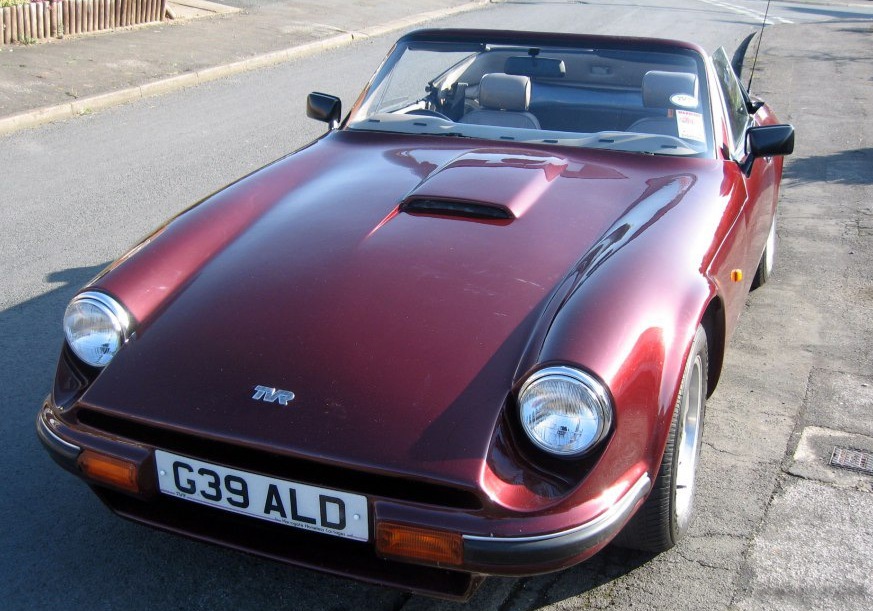
The TVR S 2.8, produced between 1986 and 1988, represents a pivotal point in the Blackpool-based manufacturer’s history. Falling within the second generation of the S series, this model aimed to deliver a pure, British sports car experience with a focus on lightweight construction and engaging driving dynamics. The 2.8-liter variant, producing 150 horsepower, was positioned as a sweet spot in the lineup, offering a balance between performance and affordability within the TVR range. It was a relatively short-lived iteration, bridging the gap between earlier, smaller-engined S models and the later, more powerful versions that would follow. The S series, as a whole, was TVR’s attempt to create a more accessible and volume-oriented sports car, moving away from the more bespoke and often temperamental designs of the past.
Technical Specifications
| Brand | TVR |
| Model | S |
| Generation | S |
| Type (Engine) | 2.8 (150 Hp) |
| Start of Production | 1986 |
| End of Production | 1988 |
| Powertrain Architecture | Internal Combustion Engine |
| Body Type | Cabriolet |
| Fuel Type | Petrol (Gasoline) |
| Power | 150 Hp |
| Engine Aspiration | Naturally Aspirated |
Powertrain & Engine Architecture
The heart of the TVR S 2.8 is a Ford-sourced, 2.8-liter V6 engine. Specifically, it utilized the Ford Cologne engine family, a robust and relatively simple design that had proven itself in various Ford and other European vehicles. While TVR often modified their engines, the 2.8 in the S remained largely in its original Ford specification, though TVR did implement their own intake and exhaust systems to optimize performance for the lightweight chassis. The engine is naturally aspirated, meaning it relies solely on atmospheric pressure to draw air into the cylinders, rather than forced induction like a turbocharger or supercharger. Fuel delivery was handled by Bosch K-Jetronic mechanical fuel injection, a system known for its reliability and relatively straightforward maintenance, though it could be less precise than later electronic fuel injection systems. The V6 configuration provides a good balance of smoothness and power delivery. The engine’s valvetrain consists of two valves per cylinder (two intake, two exhaust) operated by a single overhead camshaft.
The transmission paired with the 2.8-liter engine was a five-speed manual gearbox, sourced from Ford. An automatic transmission was available as an option, but the manual was favored by enthusiasts for its more direct connection to the engine and enhanced driving experience. The rear-wheel-drive layout is fundamental to the TVR S’s handling characteristics. The differential was a conventional open differential, lacking the limited-slip capabilities found in some higher-performance sports cars. This could lead to wheelspin under hard acceleration, particularly on less-than-ideal road surfaces.
Driving Characteristics
The TVR S 2.8 offered a distinctly raw and engaging driving experience. With a relatively low curb weight (around 2,200 lbs), the 150 horsepower engine provided brisk acceleration. Zero to sixty mph times were typically in the 7-8 second range, respectable for the late 1980s. The car’s handling was its strongest suit, characterized by responsive steering and a nimble feel. The suspension, consisting of independent double wishbones all around, contributed to a well-controlled ride, though it could be firm on rough roads. The lack of power steering, standard on most S 2.8 models, added to the directness of the steering feel, but required more effort at low speeds. The five-speed manual transmission offered precise shifts, allowing drivers to fully exploit the engine’s powerband. The automatic transmission, while offering convenience, noticeably dulled the driving experience, sacrificing some of the responsiveness and engagement that defined the TVR S.
Equipment & Trim Levels
The TVR S 2.8 was relatively spartan in terms of standard equipment, reflecting TVR’s focus on driving experience over luxury. The interior featured simple, supportive bucket seats, typically upholstered in leather or vinyl. The dashboard was functional and straightforward, with a set of analog gauges providing essential information. Power windows were often an optional extra, as were features like a radio and central locking. The convertible top was manually operated, adding to the car’s hands-on appeal. Trim levels were limited, with most customization occurring through a range of optional extras. Customers could specify different interior colors, upholstery materials, and exterior paint finishes.
Chassis & Braking
The TVR S 2.8 utilized a tubular steel space frame chassis, a construction method favored by TVR for its strength and lightweight properties. This chassis provided a solid foundation for the suspension and bodywork. The suspension, as mentioned previously, consisted of independent double wishbones all around, with coil springs and telescopic shock absorbers. Braking was handled by disc brakes on all four wheels, providing adequate stopping power for the car’s weight and performance. However, the braking system lacked modern features like ABS (Anti-lock Braking System), requiring drivers to exercise caution under hard braking. Rear drums were sometimes fitted on earlier models to reduce cost.
Market Reception & Comparison
The TVR S 2.8 was generally well-received by automotive critics, who praised its engaging handling, responsive engine, and overall driving experience. However, some critics noted the car’s lack of refinement and relatively basic interior. Compared to other sports cars of the era, such as the Mazda MX-5 Miata or the Porsche 944, the TVR S 2.8 offered a more raw and visceral driving experience, but lacked the polish and reliability of its Japanese and German competitors. Within the TVR lineup, the S 2.8 sat between the smaller-engined S models and the more powerful V8-powered versions. The 2.8 offered a good balance of performance and affordability, making it an attractive option for buyers who wanted a genuine sports car experience without breaking the bank. Fuel economy was typical for a sports car of the era, averaging around 20-25 mpg.
Legacy
The TVR S 2.8, while a relatively short-lived model, holds a significant place in TVR’s history. It represented a successful attempt to broaden the brand’s appeal and attract a wider range of customers. The Ford Cologne V6 engine proved to be a reliable and durable powerplant, and many S 2.8 models remain on the road today. However, like all TVRs, the S 2.8 requires diligent maintenance and a knowledgeable owner to keep it in top condition. The car’s lightweight construction and engaging handling continue to appeal to enthusiasts, and it has become a sought-after classic among collectors. The used car market values for well-maintained S 2.8 models have been steadily increasing in recent years, reflecting the car’s growing popularity and historical significance. Finding parts can sometimes be a challenge, but a dedicated network of TVR specialists and parts suppliers exists to support owners.
